







What's Happening?
In June 2026, the number of Americans not participating in the workforce reached a record 105.8 million, surpassing the previous high set during the 2020 shutdown. This increase is attributed to a slowdown in hiring, with 2.5 million people leaving the labor
force in 2026 alone. The unemployment rate dipped slightly to 4.2%, but this was largely due to a decrease in labor force participation, which fell to 61.5%. Payroll growth was revised downward for April and May, indicating a cooling trend in job creation. The non-participation rate now stands at 38.5% of the population aged 16 and over, the highest since the 1970s, excluding the pandemic period.
Why It's Important?
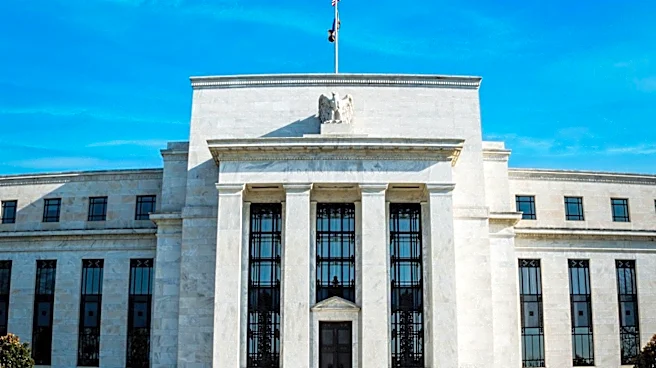
The rise in non-participation in the workforce has significant implications for the U.S. economy. A smaller labor force can affect economic momentum and influence interest rate decisions by the Federal Reserve. The June employment report, which showed softer hiring, has already led to a reassessment of future interest rate hikes, with traders now expecting a lower likelihood of a rate increase at the next Fed meeting. This shift in labor market dynamics could impact various sectors, including professional services, social assistance, and healthcare, which saw modest job gains in June. The leisure and hospitality sector, however, experienced a notable decline, shedding 61,000 jobs.
What's Next?
The Federal Reserve's upcoming meeting on July 29 will be closely watched, as the recent employment data may influence their decision on interest rates. With the labor market showing signs of cooling, the Fed may opt to hold rates steady rather than implement a hike. This decision will have broader implications for rate-sensitive assets and the overall economic outlook. Additionally, sectors that have been lagging in job growth may need to adjust their strategies to attract and retain workers in a competitive labor market.