





What's Happening?
Shopify retailers are increasingly adopting various applications to streamline local delivery and in-store pickup services, responding to consumer demand for faster fulfillment. The native Shopify local delivery feature, while free, requires merchants
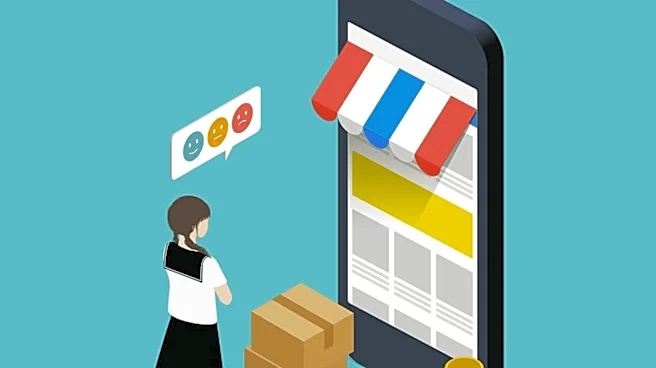
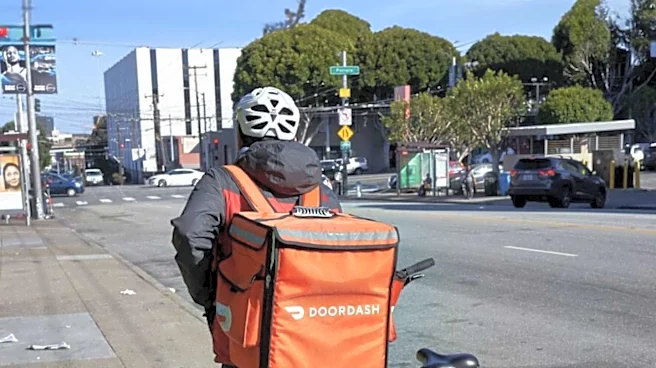
to provide their own drivers and has limitations on delivery zones and accelerated checkouts. To overcome these, retailers are turning to third-party apps like Zapiet - Pickup + Delivery and Store Pickup & Delivery, which offer advanced scheduling, time slot management, and order limits. Additionally, services like Uber Direct and Roadie provide on-demand courier options for orders placed through Shopify's checkout, with Uber Direct requiring a Shopify Plus plan. DoorDash also offers a new sales channel for Shopify stores, allowing customers to order through the DoorDash app with delivery handled by Dashers, integrating product and inventory synchronization automatically. This expansion of options aims to help retailers meet customer expectations for convenience and speed in local order fulfillment.
Why It's Important?
The proliferation of local delivery and in-store pickup solutions for Shopify retailers signifies a critical shift in the U.S. retail landscape, driven by evolving consumer expectations for immediate gratification. With 20% of U.S. online shoppers abandoning carts due to slow delivery, according to Baymard Institute, the ability to offer efficient local fulfillment directly impacts sales and customer retention. These new integrations allow small and medium-sized businesses to compete with larger retailers by providing comparable delivery speeds without the overhead of managing their own logistics fleets. The availability of diverse options, from scheduling tools to third-party courier services and marketplace integrations like DoorDash, empowers retailers to choose solutions that best fit their operational models and customer reach. This trend is crucial for the growth of e-commerce, enabling businesses to expand their customer base and increase sales by catering to local demand for quick and convenient shopping experiences.
What's Next?
Retailers are expected to continue evaluating and adopting these advanced local delivery and pickup solutions to optimize their e-commerce operations. The focus will likely be on integrating systems that offer seamless inventory synchronization, flexible scheduling, and efficient route planning to enhance the customer experience. As more consumers prioritize convenience, the demand for same-day and scheduled delivery options will grow, pushing more businesses to leverage these technologies. Furthermore, the competitive landscape among delivery app providers will likely intensify, leading to more features, better pricing models, and broader integration capabilities. Retailers will also need to strategically market these new fulfillment options to their customer base, ensuring awareness and driving adoption to maximize the benefits of these investments.
Beyond the Headlines
The increasing reliance on third-party apps and platforms for local delivery and pickup raises deeper questions about data privacy, platform dependency, and the future of retail employment. While these solutions offer undeniable benefits in terms of efficiency and reach, they also mean retailers are sharing customer data and becoming more reliant on external services for core aspects of their business. This could lead to concerns about control over the customer journey and potential fee structures that impact profitability. Additionally, the rise of the 'Dasher' or independent courier model, while providing flexible work opportunities, also contributes to the gig economy, with ongoing debates about worker classification and benefits. The long-term implications could include a more fragmented retail ecosystem where success is increasingly tied to effective integration with a network of specialized service providers, potentially reshaping traditional retail models and consumer-brand relationships.