







What's Happening?
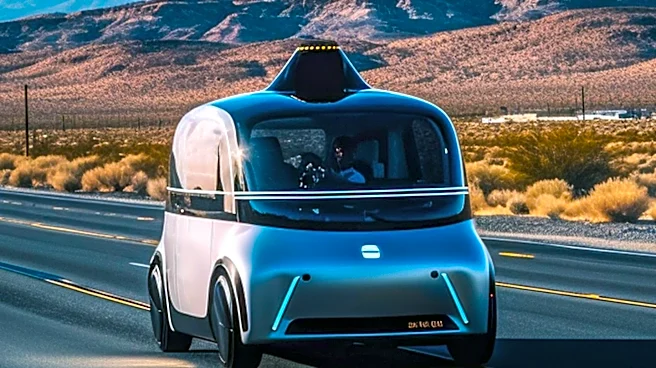
Amazon-owned Zoox has significantly increased its share of monthly active users in the U.S. robotaxi market, growing from 15% to 25% during the first half of 2026, according to data from Apptopia. This growth comes as Zoox has expanded its operations
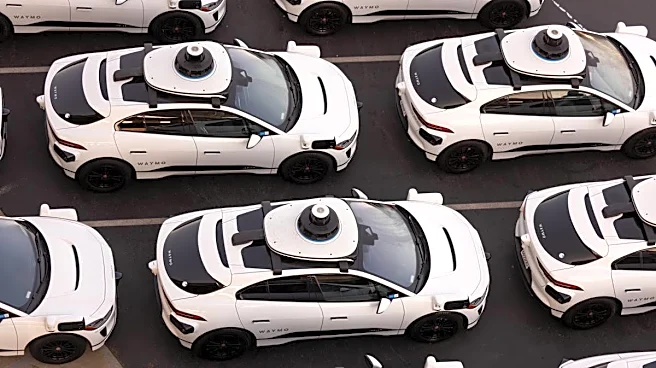
by launching services in new cities such as Austin and Miami, and broadening its service areas in San Francisco and Las Vegas. Meanwhile, Waymo, the largest self-driving taxi service in the U.S., saw its share of monthly active users decrease from 79% in January to 69% in June. Despite this decline, Waymo continues to operate in 11 U.S. cities and has shown growth among younger users aged 17 to 25, which is considered a positive sign for the service's future.
Why It's Important?
The expansion of Zoox in the robotaxi market represents a significant shift in the competitive landscape of autonomous vehicle services in the U.S. Zoox's growth indicates a rising demand for alternative self-driving taxi services, challenging Waymo's long-standing dominance. This competition could lead to more innovation and potentially lower prices for consumers as companies strive to capture market share. Additionally, the increase in younger users for Waymo suggests a potential for long-term customer retention, as these users may continue to use the service as they age into higher-value demographics. The developments in this sector could have broader implications for urban transportation, reducing reliance on traditional taxis and personal vehicles.
What's Next?
As Zoox continues to expand its operations and increase its user base, it is likely to further challenge Waymo's market position. Both companies may focus on enhancing their service offerings and expanding into new markets to attract more users. The competition could also prompt regulatory scrutiny as cities and states evaluate the impact of autonomous vehicles on traffic, safety, and public transportation systems. Stakeholders, including city planners and policymakers, will need to consider how to integrate these services into existing transportation infrastructures while addressing potential safety and regulatory concerns.