








What's Happening?
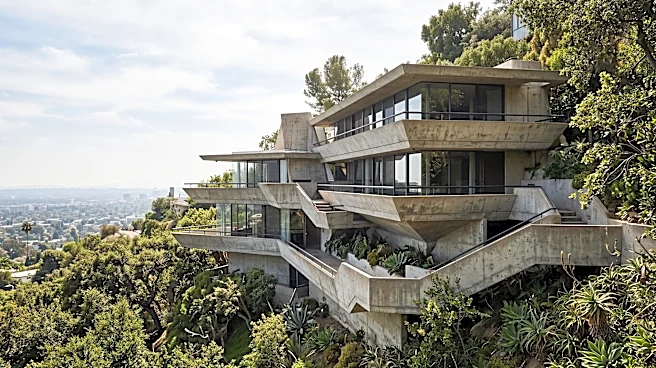
John Lautner's Sheats Apartments, an eight-unit building designed in 1949 for Helen Taylor Sheats and Paul Henry Sheats, is facing significant deterioration despite its designation as a historic-cultural monument in 1988. Located near UCLA on fraternity
row, the building, also known as L’Horizon or the Treehouse, has become a popular spot for student parties, leading to neglect and disrepair. Property manager Fariba Ghaffari, whose family has owned the building since 1991, acknowledges its poor condition, stating that fraternity residents do not maintain the property. Architectural historians and preservationists express concern over the lack of respect for the building's architectural significance. Recent observations reveal beer pong tables, surfboards, and fraternity signs on balconies, along with structural issues like a gaping hole in the driveway. The building has undergone two refurbishments, but the damage persists, with millions of dollars estimated for necessary repairs, exacerbated by alleged cracking from nearby construction.
Why It's Important?
The deterioration of the Sheats Apartments highlights a conflict between architectural preservation and the realities of urban living, particularly in areas with high student populations. This building is not just a residence but a significant piece of Midcentury Modern architecture by a protégé of Frank Lloyd Wright. Its neglect represents a loss of cultural heritage and an example of how historic properties can be devalued when their significance is not recognized or respected by occupants. The situation also raises questions about property management responsibilities, tenant accountability, and the effectiveness of historic preservation designations in preventing decay. The estimated millions needed for repairs underscore the financial burden of maintaining such structures, especially when tenant behavior contributes to their decline. This case serves as a cautionary tale for other architecturally significant buildings in dynamic urban environments.
What's Next?
The future of the Sheats Apartments remains uncertain. Property manager Fariba Ghaffari has expressed a desire to move the building and has considered working with UCLA to rent exclusively to architecture students, hoping they would better appreciate and care for the property. However, a UCLA architecture department spokesperson declined to comment on this idea. The building faces substantial repair costs, potentially in the millions, partly due to alleged damage from nearby construction and the ongoing wear and tear from student parties. Without a significant intervention, either through a dedicated preservation effort, a change in ownership to a collector willing to undertake restoration, or a shift in tenant demographics, the building's condition is likely to worsen. The ongoing challenge is to find a sustainable model that respects its architectural legacy while accommodating its location and current use.
Beyond the Headlines
The plight of the Sheats Apartments delves into deeper themes of accessibility, appreciation, and the evolving relationship between people and historic architecture. While Lautner's more famous works are often inaccessible to the general public, the Sheats Apartments offered a unique opportunity for students to live within a significant architectural creation. This accessibility, however, has inadvertently led to its decline, raising questions about how to balance public engagement with preservation. The story also touches on the generational disconnect in valuing historical artifacts; many current student residents are unaware of John Lautner's legacy. This situation prompts a broader discussion on educational initiatives to foster appreciation for architectural heritage among younger generations and the ethical responsibilities of property owners of historic landmarks. It underscores the challenge of integrating architectural masterpieces into everyday life without compromising their integrity.