




What's Happening?
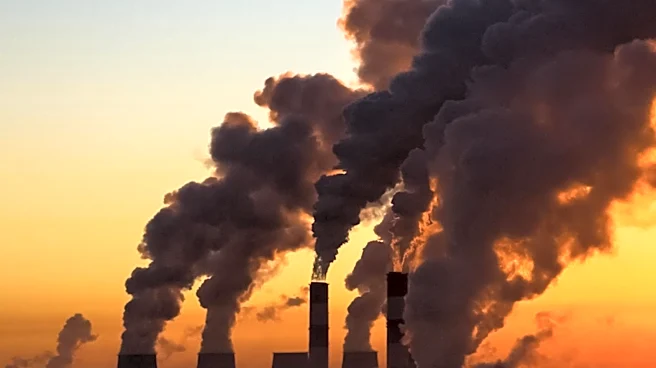
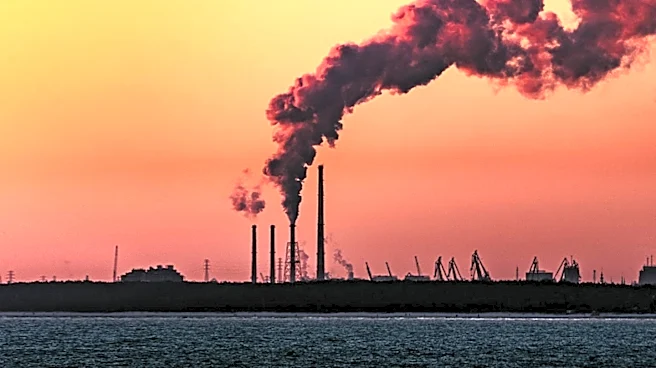
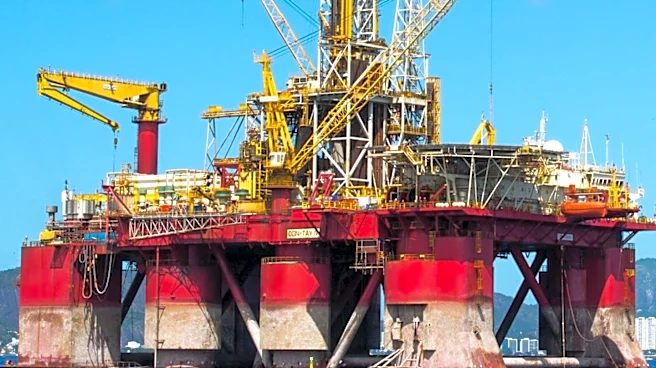
Major fossil fuel companies, including BP, Chevron, and Shell, are projected to see their combined net income double to $45 billion this quarter. This financial surge is occurring alongside research findings that link emissions from these companies to approximately
a quarter of global heatwaves experienced between 2000 and 2023. Oxfam's analysis, based on S&P Capital IQ's estimates, suggests that the full-year profits of these companies could reach $147 billion, surpassing their combined profits over the previous 21 months. The report highlights the significant role these emissions play in exacerbating climate-related events, raising questions about industry accountability and the future of energy policy.
Why It's Important?
The anticipated profit increase for fossil fuel companies underscores a critical tension between economic gains and environmental responsibility. As these companies continue to benefit financially, their emissions contribute significantly to climate change, impacting global weather patterns and causing severe heatwaves. This situation presents a challenge for policymakers and environmental advocates who are pushing for stricter regulations and accountability measures. The potential for a windfall tax on fossil fuel profits is being discussed as a means to fund climate adaptation efforts, particularly in vulnerable regions. The ongoing profitability of these companies, despite their environmental impact, highlights the complexities of transitioning to sustainable energy sources while managing economic interests.
What's Next?
The debate over imposing a windfall tax on fossil fuel profits is likely to intensify, with some countries already implementing temporary taxes on excess profits. The UK, for instance, has extended and increased its Energy Profits Levy to capture extraordinary profits resulting from oil and gas price hikes. As global demand for oil and gas is projected to decline under international climate commitments, the industry faces pressure to align with net-zero emissions targets. However, research indicates that leading fossil fuel companies plan to increase production, potentially complicating efforts to meet these targets. The outcome of these discussions will significantly influence future energy policies and climate strategies.