




What's Happening?
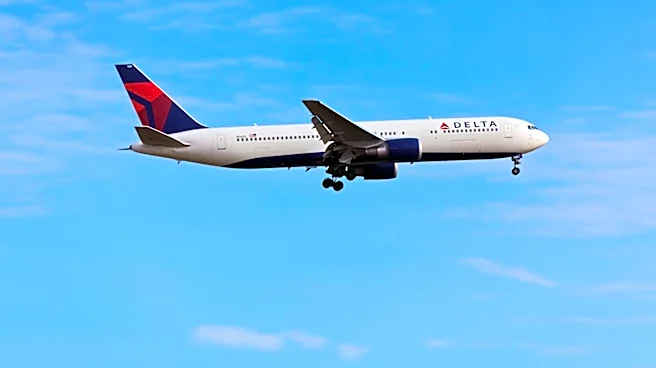
The Federal Trade Commission (FTC) has issued orders to Delta Air Lines, United Airlines, and JetBlue, requiring them to provide detailed explanations of their fare-setting processes. The airlines have been given 45 days to respond to the FTC's directive.
This action is part of a broader inquiry by the agency into whether companies are utilizing personal data to determine pricing for individual customers, a practice referred to as 'surveillance pricing.' The FTC has previously sent similar orders to other major companies across various sectors, including Uber, Lyft, DoorDash, Instacart, Target, and Walmart. While airlines have historically employed dynamic pricing models that adjust fares based on supply and demand, with all customers seeing the same price, the current investigation focuses on the potential use of individual-specific data. Delta, JetBlue, and Airlines for America, a trade group representing major U.S. airlines, have all stated that carriers do not use personal data to set ticket prices. This move by the FTC highlights growing regulatory scrutiny over data privacy and pricing transparency in the digital economy.
Why It's Important?
This FTC inquiry is significant because it addresses growing concerns about consumer data privacy and potential discriminatory pricing practices. If airlines are found to be using personal data to set individual fares, it could lead to consumers paying different prices for the same service based on their personal profiles, browsing history, or other collected data. This could erode consumer trust and create an uneven playing field. The investigation also signals a broader regulatory push to understand and potentially curb how companies leverage vast amounts of personal data for commercial gain. The outcome could influence future data privacy regulations and consumer protection laws, potentially leading to new requirements for transparency in pricing algorithms. For the airline industry, a finding of surveillance pricing could result in significant fines, reputational damage, and mandated changes to their pricing models, impacting their operational strategies and profitability. Furthermore, the fact that about a dozen states have proposed laws to limit such practices indicates a widespread legislative interest in this issue, suggesting potential for a patchwork of state-level regulations if federal action is not comprehensive.
What's Next?
The immediate next step involves Delta Air Lines, United Airlines, and JetBlue submitting their explanations to the FTC within the 45-day deadline. Following the airlines' responses, the FTC will analyze the provided information to determine if any practices constitute unfair or deceptive acts. Depending on their findings, the FTC could initiate further investigations, issue warnings, propose new regulations, or take enforcement actions against the airlines. This could include imposing fines or requiring changes to their pricing methodologies. Additionally, the ongoing legislative efforts in various states to limit the use of personal data in pricing could gain momentum, potentially leading to new state laws that further restrict how companies set prices. The broader implications could also see other industries that employ dynamic pricing models come under similar scrutiny from the FTC, prompting a re-evaluation of data usage policies across the digital marketplace. The public and consumer advocacy groups will likely be closely watching the FTC's progress and findings, potentially increasing pressure for greater transparency and consumer protection in pricing.
Beyond the Headlines
The FTC's investigation into airline fare-setting practices touches upon deeper ethical and economic implications concerning algorithmic fairness and consumer autonomy in the digital age. The concept of 'surveillance pricing' raises questions about whether consumers are truly making informed purchasing decisions if prices are tailored based on their individual data, potentially exploiting perceived willingness to pay. This could lead to a two-tiered market where data-rich consumers might face higher prices, creating economic disparities. Legally, the inquiry could test the boundaries of existing consumer protection laws regarding deceptive practices and unfair competition in the context of advanced data analytics. Culturally, it reflects a growing societal unease with the pervasive collection and utilization of personal data by corporations, fueling debates about data ownership and the right to privacy. The outcome of this investigation could set precedents for how regulatory bodies approach the intersection of big data, artificial intelligence, and consumer rights, potentially shaping the future of digital commerce and consumer-business relationships.