







What's Happening?
The Samurai Ninja Museum in Kyoto, Japan, provides an interactive and engaging experience for visitors, moving beyond traditional static displays. The museum offers a guided tour, available in English, that delves into the history of samurai and ninja,
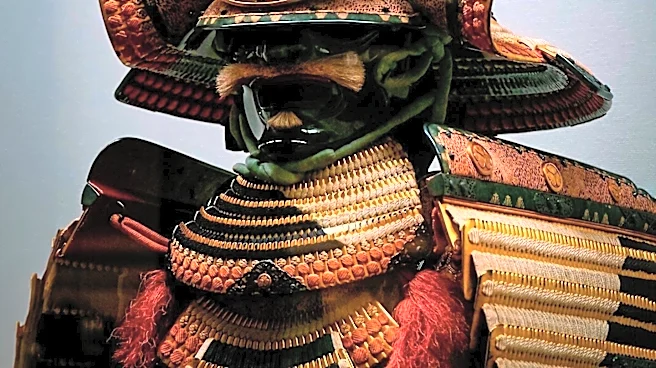
showcasing authentic combat gear from the Sengoku and Edo periods, including armor, katanas, and hidden ninja blades. Guides also aim to debunk common Hollywood myths surrounding these historical figures. A significant part of the experience is hands-on, allowing visitors to participate in activities such as shuriken throwing and sword lessons using wooden bokken. The museum also provides opportunities for photo sessions where guests can dress in ninja costumes and pose with replica weapons. Located near the Nishiki Market, the entire experience typically lasts about an hour and a half, and booking in advance is recommended due to limited group sizes.
Why It's Important?
This interactive approach to historical education is important as it offers a dynamic alternative to conventional museum visits, potentially increasing engagement and understanding of Japanese history and culture. By allowing visitors to physically participate in activities like shuriken throwing and sword training, the museum fosters a deeper connection to the subject matter, making historical learning more memorable and enjoyable. This method can attract a broader audience, including those who might find traditional museums less appealing. Furthermore, the museum's focus on debunking myths contributes to a more accurate public perception of samurai and ninja, moving beyond fictionalized portrayals. For the tourism industry in Kyoto, such unique attractions enhance the city's appeal, drawing in visitors seeking immersive cultural experiences beyond temples and gardens, thereby contributing to the local economy.
What's Next?
The success of interactive historical museums like the Samurai Ninja Museum in Kyoto may encourage other cultural institutions globally to adopt similar engaging formats. This could lead to a trend of more hands-on and experiential exhibits designed to attract and educate visitors. For the museum itself, continued popularity will likely necessitate maintaining high-quality guides and updating interactive elements to keep the experience fresh. There might also be an expansion of offerings, such as more advanced training sessions or themed events, to cater to repeat visitors or those seeking a deeper dive into samurai and ninja culture. The museum's proximity to Nishiki Market suggests a continued synergy with local businesses, potentially leading to collaborative tourism packages that combine cultural experiences with local culinary exploration.
Beyond the Headlines
Beyond its immediate appeal as a tourist attraction, the Samurai Ninja Museum highlights a broader shift in how history is presented and consumed. In an increasingly digital and experience-driven world, there's a growing demand for immersive learning environments that go beyond passive observation. This museum exemplifies how historical narratives can be brought to life through active participation, fostering a more profound appreciation for cultural heritage. It also touches upon the ethical considerations of historical representation, as the guides actively work to correct popular misconceptions, promoting a more accurate understanding of the past. This approach can empower visitors to critically evaluate historical information and media portrayals, encouraging a more nuanced perspective on cultural icons and historical events.