






What's Happening?
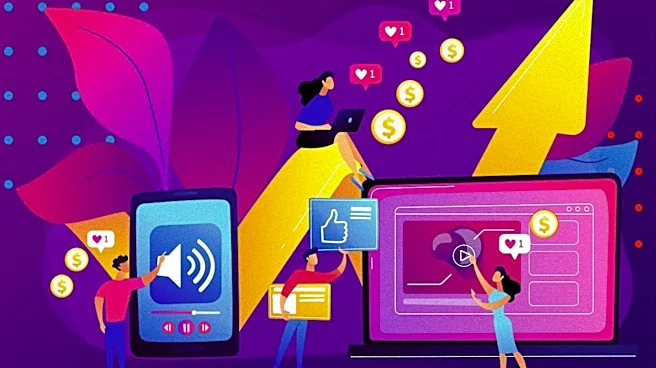
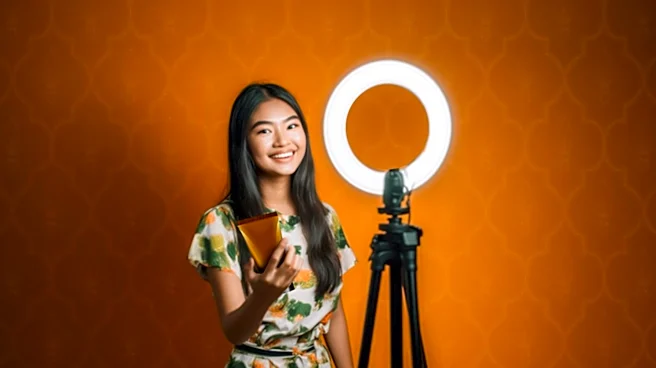
The U.S. influencer marketing landscape is undergoing a significant transformation, moving away from solely relying on mega-celebrities to a more diversified approach that heavily features micro- and nano-creators. These creators, characterized by smaller
but highly engaged communities, now account for nearly 46% of U.S. influencer spending. Brands are increasingly prioritizing 'fit' and credibility over sheer follower count, opting to collaborate with numerous well-matched creators rather than a single high-profile individual. This strategy allows campaigns to become a 'chorus' of voices, reaching diverse audience segments through platforms like TikTok and YouTube. For instance, a skincare launch might involve a dermatologist on TikTok, a budget-beauty reviewer on YouTube, and several smaller creators whose followers actively purchase recommended products. This shift is driven by a consumer preference for authentic recommendations from individuals who feel like knowledgeable friends, with approximately 69% of consumers trusting creator recommendations more than direct brand messages.
Why It's Important?
This evolution in influencer marketing holds significant implications for U.S. industries, particularly in fashion and beauty. Brands are finding that ten well-matched creators can often outperform one mega-name at a fraction of the cost, leading to more efficient marketing spend and potentially higher return on investment. The focus on micro-communities fosters deeper engagement and trust, as consumers are more likely to respond to content that feels grounded in everyday life and comes from relatable sources. This approach democratizes influence, allowing smaller voices to gain prominence and connect brands with niche audiences that might otherwise be difficult to reach. The shift also impacts content creation, with user-generated formats like unboxings and 'get-ready-with-me' clips becoming central to marketing strategies, reflecting a broader trend towards authenticity and relatability in advertising.
What's Next?
The trend towards leveraging micro- and nano-creators is expected to continue and expand across various consumer sectors in the U.S. Brands will likely further refine their strategies for identifying and collaborating with these creators, focusing on performance-based deals tied to clicks, conversions, and sales. This increased accountability will solidify influencer marketing's role as a reliable revenue driver rather than an experimental marketing tactic. Specialist agencies that can effectively identify, coordinate, and measure the impact of numerous creators will become even more crucial for brands. The future will see a continued blending of celebrity endorsements with creator-led content, where celebrities set the overall tone and creators translate it into language trusted by specific communities, creating a more layered and persuasive marketing ecosystem.
Beyond the Headlines
This shift in influencer marketing reflects deeper cultural and economic changes in the U.S. It highlights a growing consumer skepticism towards traditional advertising and a preference for authenticity and peer-to-peer recommendations. The rise of micro-creators also signifies a decentralization of influence, empowering individuals with niche expertise and engaged communities. Ethically, this trend raises questions about transparency in sponsored content, as the line between genuine recommendation and paid promotion can become blurred. Legally, regulations around disclosure of partnerships will continue to evolve to ensure consumers are aware when content is sponsored. Culturally, it underscores the power of community and the increasing fragmentation of media consumption, where audiences gather in smaller, more specialized online spaces, making targeted, credible voices more impactful than broad, celebrity-driven campaigns.