



What's Happening?
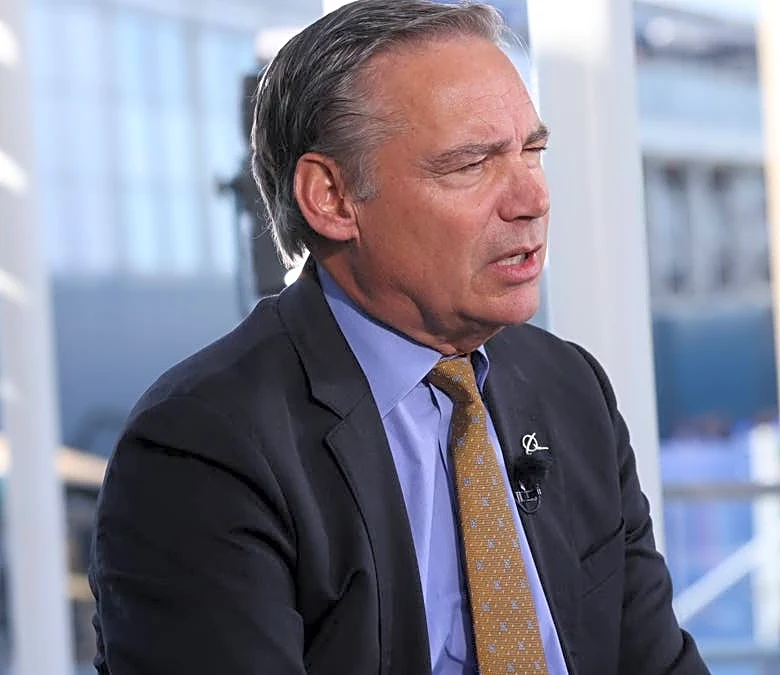
A new paper by Michael Faulkender, former Deputy Secretary of the U.S. Treasury and William Longbrake Professor of Finance at the University of Maryland's Robert H. Smith School of Business, suggests that stablecoins could significantly increase demand
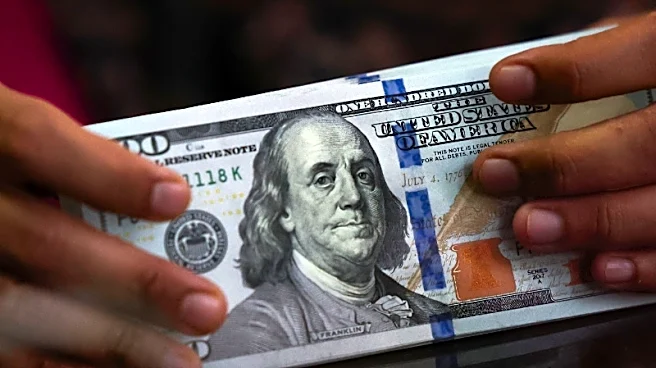
for U.S. Treasury securities and strengthen the U.S. dollar's global reserve currency status. Faulkender argues that policymakers should view stablecoins as a strategic asset, not just a financial technology innovation. Stablecoins, typically backed by liquid assets like short-term Treasury bills, offer faster, cheaper, and more efficient methods for international trade, cross-border payments, and remittances compared to traditional banking systems. The paper highlights that the greatest opportunity for stablecoin adoption lies outside the United States, where they can facilitate international trade settlement, reduce remittance costs, and provide a more reliable store of value in countries facing inflation or monetary instability. As more transactions shift to dollar-denominated stablecoins, the demand for the reserve assets backing them, such as U.S. Treasury bills, is expected to grow.
Why It's Important?
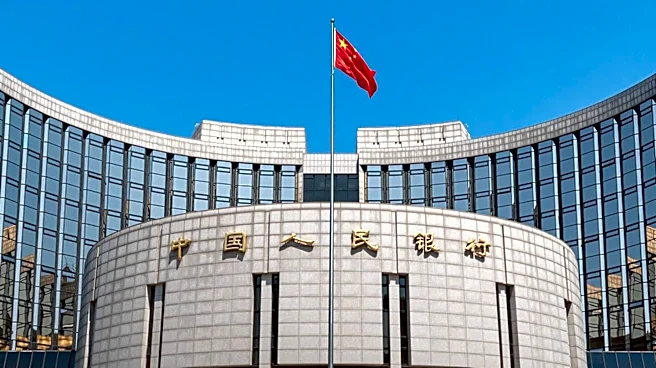
The U.S. dollar's status as the world's reserve currency provides numerous benefits, including lower borrowing costs for the federal government and consumers, and enhanced U.S. influence in global economic and national security matters. With mounting fiscal pressures and increasing federal debt, sustained demand for Treasury securities is crucial. Broader adoption of dollar-backed stablecoins could help meet this demand, as their reserves are often invested in highly liquid government securities. This development is also significant from a geopolitical perspective, as the dollar's reserve role is an instrument of American power. As other countries, like China, develop alternative payment networks, modernizing the U.S. financial infrastructure through stablecoins is essential to maintain its influence within the global financial system. The potential for stablecoins to facilitate international trade and remittances also offers economic advantages by making these processes more efficient and less costly.
What's Next?
Policymakers are encouraged to recognize stablecoins as a strategic asset for strengthening U.S. financial leadership and modernizing global payment infrastructure. Continued growth in dollar-denominated stablecoins, particularly in international markets, is anticipated to drive increased demand for U.S. Treasury securities. The ongoing evolution of blockchain-based payment systems will likely lead to further integration of stablecoins into global financial operations. The U.S. government may need to consider policies that support the responsible growth and adoption of stablecoins to capitalize on their potential benefits for the U.S. economy and its global standing, while also addressing any associated risks. The focus will likely be on how to leverage stablecoins to reinforce the dollar's position and support Treasury markets amidst a changing global financial landscape.
Beyond the Headlines
The integration of stablecoins into the global financial system presents a deeper shift in how international transactions are conducted and how national currencies maintain their influence. Beyond the immediate economic benefits of increased Treasury demand and reduced transaction costs, stablecoins could reshape the competitive landscape of global finance. The ability of stablecoins to offer a more reliable store of value in unstable economies could also have humanitarian implications, providing financial stability to individuals in regions experiencing high inflation. However, the operational adoption of stablecoins also raises challenges related to maintaining confidentiality and preventing structural information leaks, which will require robust technological and regulatory solutions. The ongoing debate about the regulatory environment for stablecoins will be critical in determining their full potential and ensuring their secure and equitable integration into the broader financial ecosystem.