






What's Happening?
Precious metals prices, including gold and silver, have experienced a decline following renewed military conflict between the United States and Iran. The recent exchanges of military strikes have disrupted the ceasefire, leading to fluctuations in commodity
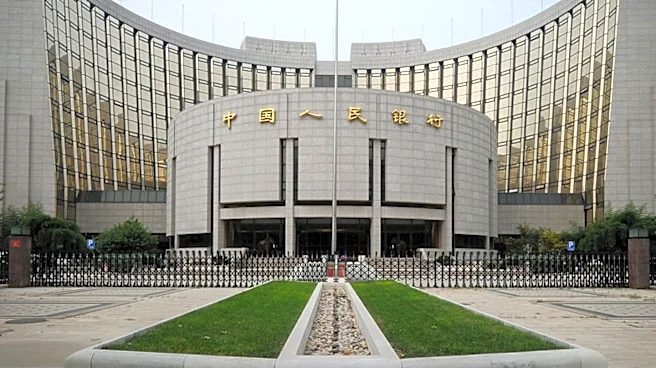
prices. Gold prices fell below $4,100 per ounce, while silver prices dropped below $60 per ounce. The conflict has also impacted oil prices, which have seen a resurgence. Meanwhile, demand for silver bars and coins has decreased significantly, with the Perth Mint reporting a 19% drop in silver sales in June. Central banks, however, continue to purchase gold, with China and Poland leading recent acquisitions.
Why It's Important?
The renewed conflict between the U.S. and Iran has significant implications for global commodity markets and geopolitical stability. The fluctuations in precious metals and oil prices reflect the market's sensitivity to geopolitical tensions and their potential impact on supply chains and economic stability. The decline in silver demand highlights changing investor preferences and market dynamics. Central banks' continued gold purchases indicate a strategic move to bolster reserves amid economic uncertainties. These developments underscore the interconnectedness of geopolitical events and financial markets, influencing investment strategies and economic policies.
What's Next?
The ongoing conflict between the U.S. and Iran will likely continue to influence commodity prices and market sentiment. Investors and policymakers will closely monitor the situation for potential escalations or resolutions that could impact global economic stability. Central banks may continue to adjust their reserve strategies in response to market conditions. The precious metals market will remain sensitive to geopolitical developments, with potential implications for inflation, currency stability, and investment portfolios.