






What's Happening?
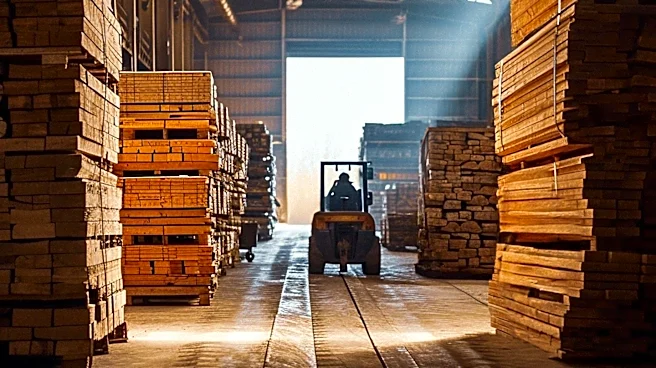
Sierra Pacific Industries, a fourth-generation family-owned company based in Northern California, has grown to become one of the largest lumber and millwork producers in the United States. Established in 1949, the company currently employs approximately
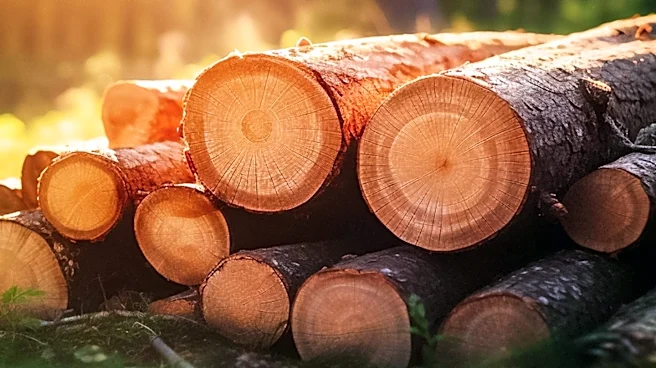
6,500 individuals. Sierra Pacific Industries offers a comprehensive benefits package to its employees, which includes health benefits, retirement plans with employer contributions, paid vacation, and ten paid holidays. The company also highlights opportunities for internal training and promotion, fostering career growth within the organization. Sierra Pacific Industries maintains a drug-free and tobacco-free workplace policy and is committed to being an Equal Opportunity Employer, extending its commitment to individuals with disabilities and veterans. The company manages over 2.4 million acres of timberland across California, Oregon, and Washington, adhering to a 100-year sustainable management plan. They plant over 6 million new trees annually and have planted their 300 millionth seedling, demonstrating a long-term commitment to forest regeneration.
Why It's Important?
Sierra Pacific Industries' operational scale and employment practices are significant for the U.S. lumber and millwork industry, particularly in Northern California and the Pacific Northwest. As one of the largest producers, its stability and growth directly impact the supply chain for construction and manufacturing sectors nationwide. The company's emphasis on robust employee benefits, including health and retirement plans, contributes to workforce stability and attractiveness in a competitive labor market, potentially setting a standard for other large-scale industrial employers. Its commitment to sustainable forest management, including a 100-year plan and extensive tree planting, is crucial for environmental conservation and the long-term viability of natural resources. This approach helps mitigate concerns about deforestation and promotes responsible land stewardship, which is increasingly important for consumers and regulatory bodies. Furthermore, the company's policy of being an Equal Opportunity Employer and maintaining a drug-free workplace reflects broader societal values and contributes to a diverse and safe working environment.
What's Next?
Sierra Pacific Industries is actively seeking to fill various positions, including a Mechanical Engineer in Anderson, California, and Industrial Electricians and Forklift Operators in locations such as Aberdeen, Washington, and Noti, Oregon. These ongoing recruitment efforts indicate a continued focus on maintaining and expanding its operational capabilities and workforce. The company's commitment to internal training and promotion suggests that current and future employees can expect opportunities for career advancement. Given its long-term sustainable forest management plan, Sierra Pacific Industries will likely continue its extensive tree-planting initiatives and responsible timberland management. The company's adherence to a drug-free and tobacco-free workplace, along with its Equal Opportunity Employer status, will remain integral to its hiring and operational policies. Future developments may include further investments in state-of-the-art facilities and technologies to enhance efficiency and sustainability in its lumber and millwork production.
Beyond the Headlines
The business model of Sierra Pacific Industries, a fourth-generation family-owned company, highlights the enduring legacy and long-term vision that can characterize such enterprises in the U.S. industrial landscape. Unlike publicly traded companies often driven by quarterly earnings, a family-owned structure can prioritize sustainability, employee welfare, and community engagement over immediate financial returns. This long-term perspective is evident in their 100-year forest management plan, which underscores a commitment to future generations and ecological balance, a stark contrast to short-term resource exploitation. The company's comprehensive benefits package and internal promotion opportunities also reflect a paternalistic approach to employee relations, fostering loyalty and institutional knowledge. This model can contribute to regional economic stability, particularly in rural areas where their facilities are often located, by providing consistent employment and investing in local infrastructure. The integration of biomass-fueled power plants, utilizing nearly 100% of wood byproducts, demonstrates an advanced circular economy approach within a traditional industry, setting a precedent for waste reduction and energy independence.