



What's Happening?
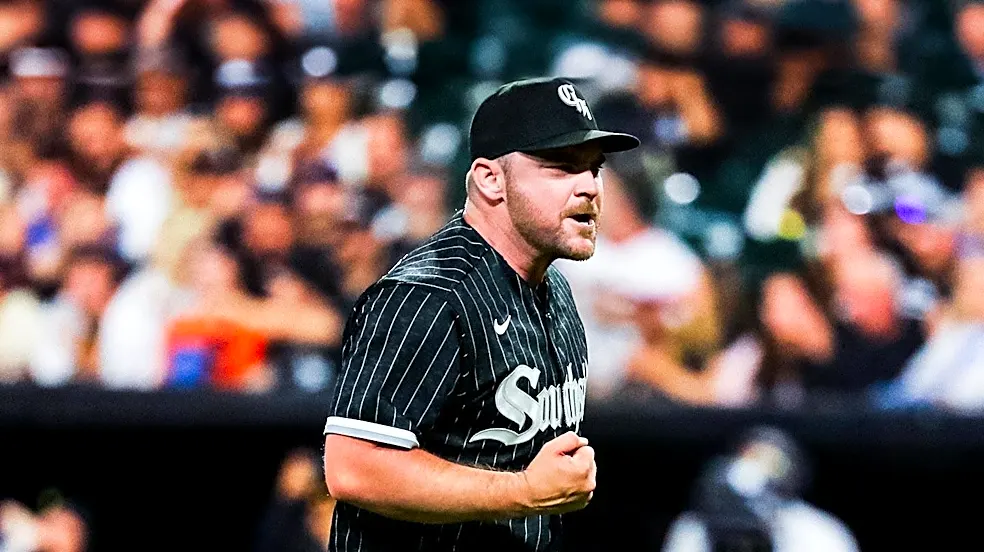
Jerry Reinsdorf, owner of the Chicago White Sox, is known for his reluctance to offer long-term, top-tier contracts to starting pitchers in free agency. This philosophy has significantly influenced the team's approach to building its pitching staff, even
when there is a clear need for a top-dollar ace. The White Sox remain one of the few Major League Baseball franchises that have never issued a contract exceeding $100 million to a pitcher for a 5-to-8-year deal. The largest pitching contract in franchise history was a five-year, $65 million extension given to John Danks following the 2011 season. This spending habit often leads the White Sox to pursue mid-rotation starters or pitchers seeking short-term deals, rather than competing for elite free-agent talent. General Manager Chris Getz has expressed the organization's intent to pursue a starting pitcher in free agency, but this declaration conflicts with Reinsdorf's established spending patterns.
Why It's Important?
Reinsdorf's conservative spending strategy on starting pitchers has significant implications for the White Sox's competitiveness and long-term success. By consistently avoiding top-tier, long-term contracts for aces, the team often falls into a 'short-contract trap.' This involves acquiring high-risk, mid-rotation starters on two-year deals, which frequently results in either the pitcher underperforming due to injuries or slumps, or succeeding only to re-enter free agency and be signed by a larger-market team. This cycle prevents the White Sox from establishing a stable, high-performing pitching staff and places undue pressure on young, undeveloped internal prospects to prematurely assume leadership roles. The financial math behind this approach is also flawed, as the team often spends a similar amount over a four-year period on multiple mid-rotation starters who are then traded for less than their acquisition cost, hindering overall team progress.
What's Next?
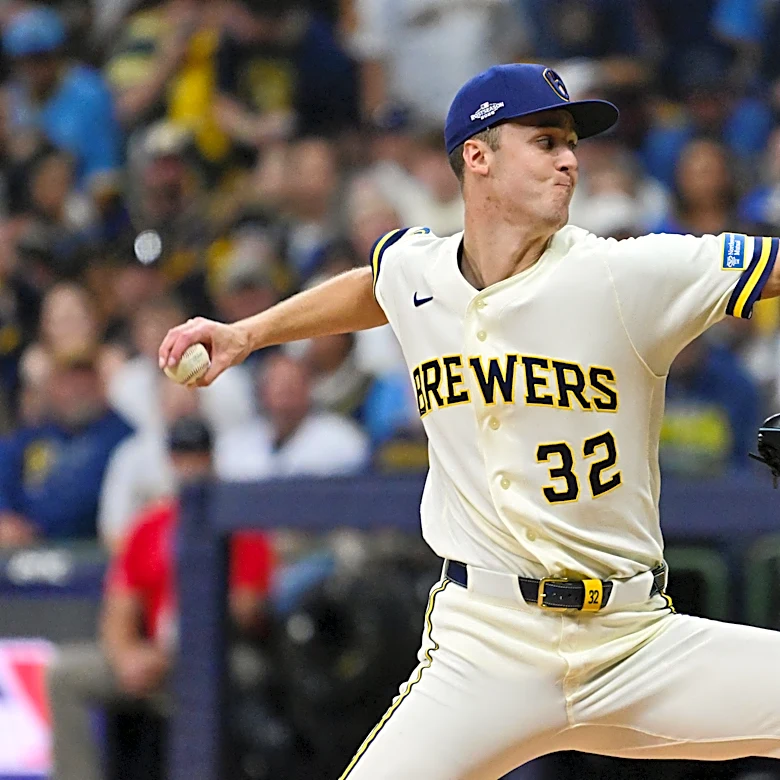
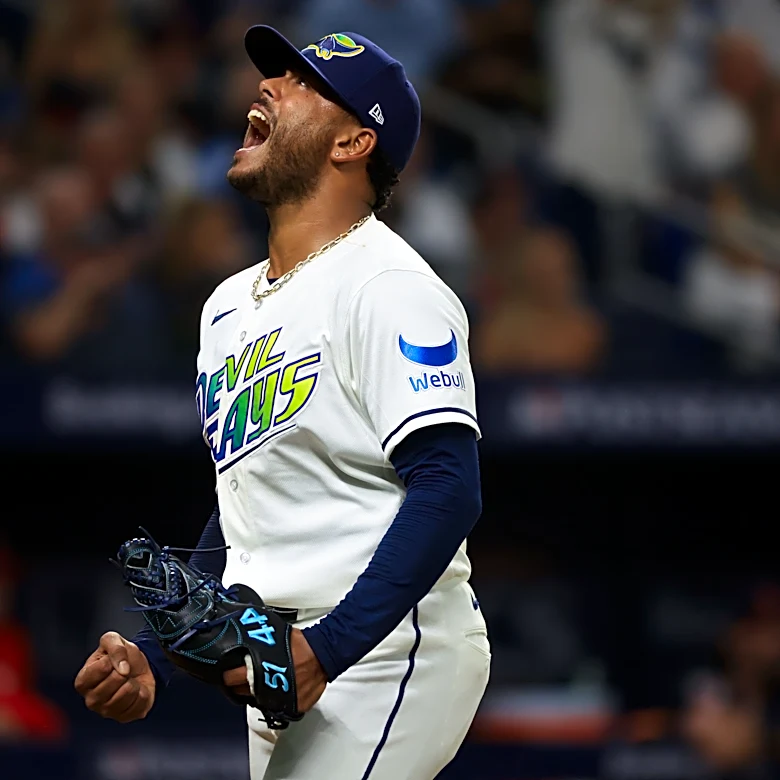
Despite General Manager Chris Getz's stated intention to pursue a starting pitcher in free agency, the White Sox are not expected to acquire top-tier talent this offseason due to Jerry Reinsdorf's long-standing philosophy. Several prominent pitchers, including Tarik Skubal, Freddy Peralta, and Michael King, are anticipated to be available on the market, but the White Sox are unlikely to commit the necessary funds for such acquisitions. The team will likely continue its pattern of seeking short-term fixes or mid-rotation options. This approach suggests that the White Sox's pitching staff will remain a potential weakness, placing a heavy burden on the team's offense and internal young arms. Unless there is a significant shift in Reinsdorf's spending philosophy, the White Sox may struggle to build a championship-caliber rotation in the upcoming seasons.
Beyond the Headlines
The White Sox's persistent struggle to secure elite pitching talent highlights a broader issue within professional sports regarding owner philosophy and team competitiveness. Jerry Reinsdorf's deep-seated aversion to large pitching contracts, stemming from past experiences like John Danks's underperformance after a significant deal, illustrates how historical events can shape long-term organizational strategy. This approach, while potentially aimed at financial prudence, can inadvertently create a ceiling for team success. It raises questions about the balance between fiscal conservatism and the investment required to build a consistently winning franchise. The 'short-contract trap' not only impacts player acquisition but also affects player development, as young pitchers are forced into demanding roles before they are fully ready, potentially hindering their long-term growth and increasing the risk of burnout. This situation underscores the critical role of ownership in shaping a team's on-field performance and its ability to attract and retain top talent.