





What's Happening?
Slow living is gaining recognition as a lifestyle choice focused on intentionality and a deliberate reduction of rushing in daily life. This approach encourages individuals to be more present in their activities, dedicating full attention to a select
few tasks rather than multitasking. It promotes creating an environment conducive to calmness through small, often free, changes. Examples include consciously enjoying a cup of tea or taking a short walk without distractions like headphones. The philosophy behind slow living is not about minimalism or achieving a perfect home aesthetic, but rather about prioritizing quality of attention over quantity of activities. This concept is being explored by individuals seeking to escape the constant pressure of modern, fast-paced environments, with some even relocating to more tranquil settings to embrace this way of life.
Why It's Important?
The growing interest in slow living reflects a societal shift towards prioritizing mental well-being and a re-evaluation of productivity. In a culture often defined by constant connectivity and the pursuit of efficiency, the emphasis on intentionality and reduced rushing offers a counter-narrative. This movement can significantly impact individual health by reducing stress and fostering a greater sense of presence and mindfulness. For industries, particularly those in wellness, tourism, and lifestyle products, this trend presents opportunities for new services and goods catering to a slower pace of life. It also challenges traditional notions of success and achievement, encouraging a focus on personal fulfillment rather than solely external metrics. The adoption of slow living principles could lead to broader discussions about work-life balance, sustainable consumption, and the design of urban and personal spaces to better support human well-being.
What's Next?
As the concept of slow living gains traction, it is likely to influence various sectors. We may see an increase in demand for products and services that support a more deliberate pace, such as digital detox retreats, mindfulness apps, and artisanal goods. Businesses might explore incorporating slow living principles into their corporate culture, promoting employee well-being through flexible work arrangements and stress reduction programs. Urban planners could consider designing public spaces that encourage relaxation and connection with nature. Furthermore, the philosophical underpinnings of slow living could lead to a broader cultural conversation about the value of downtime, the impact of technology on attention spans, and the pursuit of a more balanced existence. Individuals may continue to seek out environments and practices that allow them to disengage from the relentless pace of modern life, fostering a more intentional and fulfilling lifestyle.
Beyond the Headlines
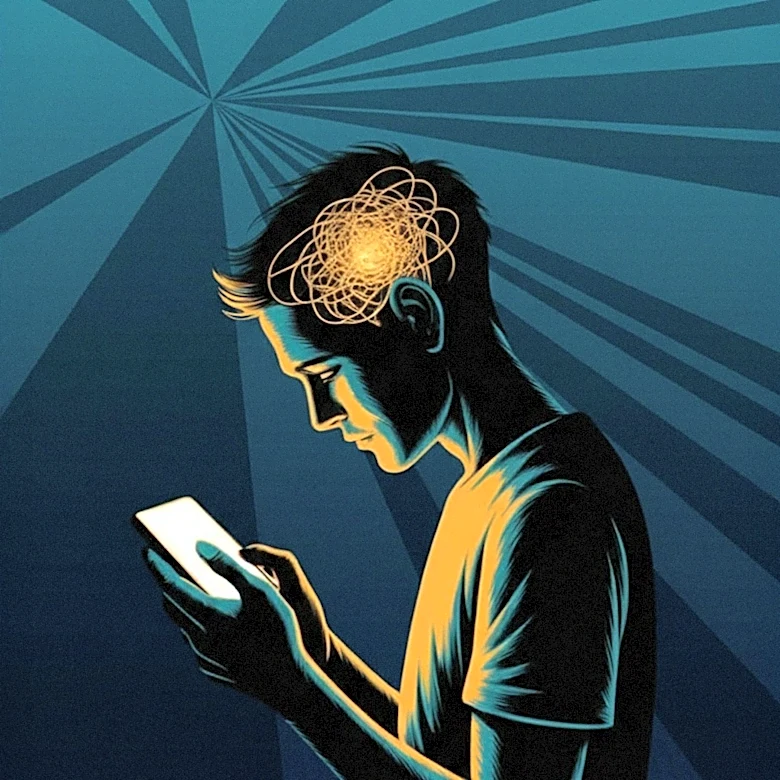
The embrace of slow living extends beyond mere personal preference; it represents a deeper societal introspection into the costs of perpetual busyness and hyper-productivity. Ethically, it raises questions about the sustainability of current work models and consumption patterns, suggesting a need for a more human-centered approach to daily life. Culturally, it challenges the ingrained belief that constant activity equates to value or success, advocating for a re-appreciation of contemplation, presence, and the simple joys of existence. This shift could trigger long-term changes in how individuals define a 'good life,' moving away from material accumulation and towards experiential richness and inner peace. It also highlights the psychological toll of modern life, prompting a re-evaluation of our relationship with technology and the constant demands for attention. Ultimately, slow living could foster a more resilient and mindful society, better equipped to navigate the complexities of the contemporary world.