



What's Happening?
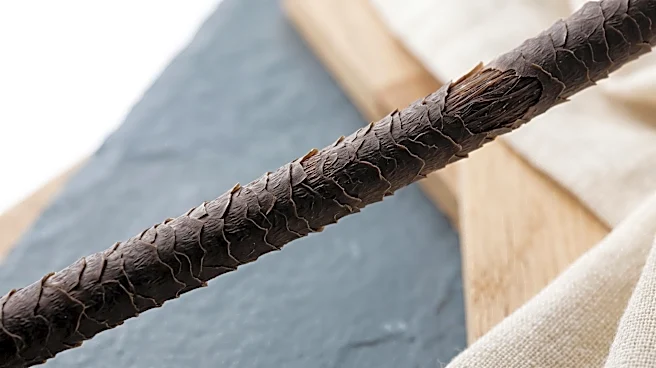
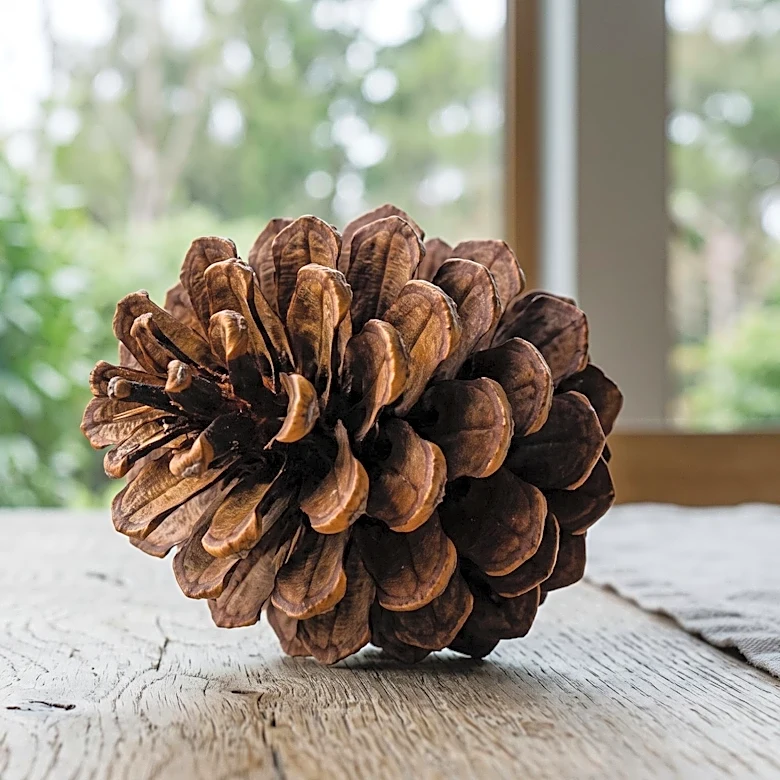
Frizzy hair is a common phenomenon rooted in physics, not a character flaw, according to scientific explanations. Each strand of hair is covered by a cuticle, composed of overlapping cells similar to roof shingles. When these shingles are flat, the hair is smooth
and reflective. However, when they lift, the hair's surface becomes rough, allowing water vapor from the air to penetrate the cortex, the protein core of the hair. Hair, being approximately 95 percent keratin, readily absorbs water. This absorption causes the strand to swell unevenly, leading to bending, kinking, and lifting away from other hairs, resulting in frizz. Genetics play a role, with curlier hair types, which have more elliptical cross-sections, being more prone to frizz due to natural points of weakness where the cuticle is slightly lifted. Damage from heat, bleach, and friction further exacerbates this by lifting the cuticle, making hair more susceptible to frizz.
Why It's Important?
Understanding the scientific basis of hair frizz is important for consumers and the beauty industry alike. For individuals, it demystifies a common hair concern, shifting the perception from a personal failing to a physical reaction to environmental factors. This knowledge empowers consumers to make informed choices about hair care products and routines, moving away from ineffective remedies and towards solutions that address the underlying mechanisms of frizz. For the beauty industry, this scientific clarity can drive the development of more effective and targeted products. Instead of relying on marketing claims, companies can focus on formulations that genuinely seal the cuticle, maintain moisture balance, and protect against damage. This approach fosters greater transparency and trust between brands and consumers, potentially leading to more sustainable and effective hair care practices.
What's Next?
The scientific understanding of frizz suggests a continued focus on moisture management and cuticle sealing in hair care product development. Consumers can expect to see more products emphasizing ingredients like humectants (e.g., glycerin, panthenol) for drawing and holding water, emollient oils and butters for softening and filling cuticle gaps, and silicones and film-formers for creating a water-resistant barrier. There will likely be an increased emphasis on gentle hair care practices, such as blotting hair dry with soft towels instead of vigorous rubbing, using lukewarm water for washing, and applying leave-in conditioners to damp hair. Furthermore, the industry may see a push for clearer labeling regarding the actual function of ingredients, moving away from vague claims of 'repair' towards more accurate descriptions of smoothing, coating, or temporarily patching. Education on the importance of protecting new hair growth from damage will also be crucial for long-term frizz control.
Beyond the Headlines
The scientific explanation of hair frizz highlights a broader principle in personal care: understanding the underlying biological and physical mechanisms is key to effective solutions. This approach challenges the often-superficial marketing of beauty products, encouraging a more informed and critical consumer base. It also underscores the idea that 'fixing' hair is often about managing its natural properties and protecting it from environmental stressors, rather than fundamentally altering its structure. The concept of hair as a 'weather report' due to its hygroscopic nature offers a fascinating intersection of biology and meteorology, illustrating how our bodies interact with the environment in subtle yet significant ways. This perspective can lead to a more holistic view of personal care, where external factors and internal health are recognized as interconnected influences on appearance and well-being.