






What's Happening?
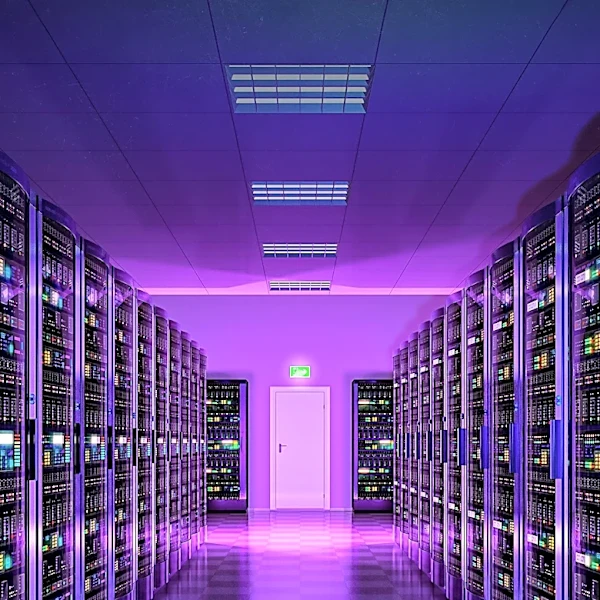
The U.S. electric grid is facing unprecedented strain due to the rapid expansion of AI data centers, which consume vast amounts of electricity comparable to small cities. This surge in energy demand is compounded by the vulnerability of the grid to space
weather events, such as solar storms, which can cause significant disruptions. The North American Electric Reliability Corporation has highlighted the risk of extreme power fluctuations during AI model training, which can destabilize power systems. The economic impact of a severe solar storm could reach trillions of dollars, affecting infrastructure and technologies critical to modern society. Despite some progress in space weather forecasting, such as the launch of NOAA's SOLAR-1 satellite, more investment is needed to improve preparedness and resilience against these threats.
Why It's Important?
The expansion of AI data centers poses a significant challenge to the stability of the U.S. electric grid, which is already under strain. The potential for space weather events to disrupt power systems could have far-reaching consequences for industries reliant on continuous data processing, such as finance, healthcare, and national security. The economic impact of a major solar storm could be devastating, highlighting the need for improved forecasting and grid resilience. As AI becomes increasingly integral to various sectors, ensuring the grid's ability to withstand space weather events is crucial for maintaining economic stability and national security.
What's Next?
To mitigate the risks posed by space weather, tech companies and grid operators must collaborate to enhance forecasting capabilities and grid resilience. This includes advocating for increased investment in space weather research and preparedness, incorporating severe weather scenarios into operational planning, and sharing data to improve modeling and forecasts. As AI continues to grow in importance, ensuring the grid's resilience against space weather will become a critical priority for both the tech industry and policymakers.