


What's Happening?
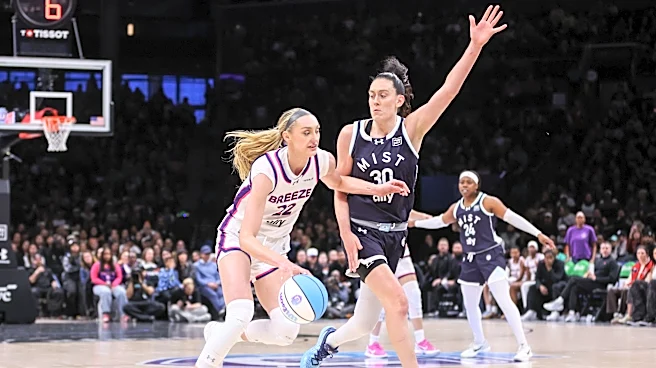
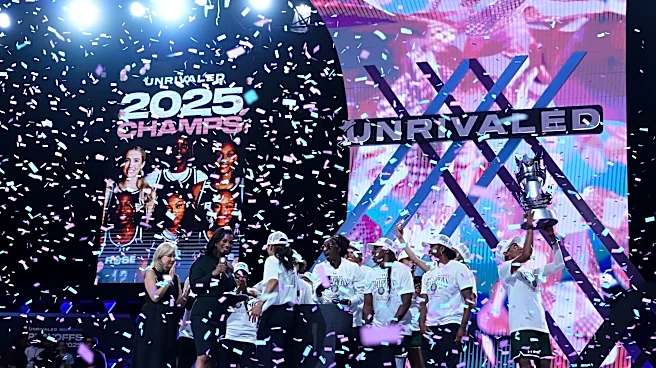
Unrivaled, the professional women's 3x3 basketball league, has announced that Adidas will become its official apparel and merchandise partner starting with its third season in early 2027. This multiyear partnership signifies a shift from Under Armour,
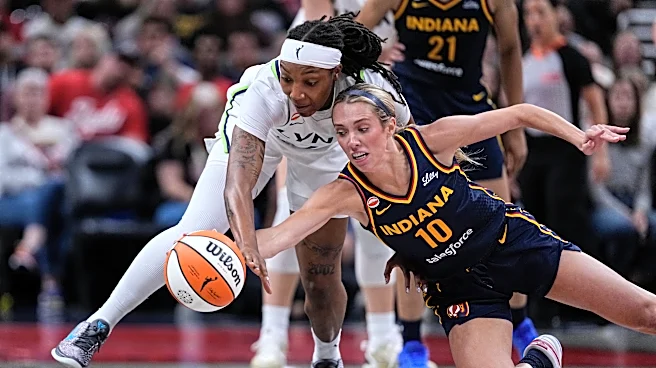
whose contract with Unrivaled recently expired. Matt Drew, head of partnerships at Unrivaled, stated that the decision to partner with Adidas was influenced by the company's increasing investments in women's basketball and its capacity to meet the high demand for league merchandise. Adidas has also been actively signing prominent women's basketball players, including Olivia Miles, a WNBA Rookie of the Year favorite and incoming Unrivaled player, as well as Kelsey Plum, Kahleah Copper, and Aliyah Boston. Under Armour confirmed the lapse of its contract with Unrivaled, expressing pride in having been the league's inaugural outfitter. This change comes as Under Armour undergoes a second company reset, planning to reduce its product offerings by 25% over the next 18 months, following the expiration of several high-profile marketing relationships with athletes like Stephen Curry and Dwyane 'The Rock' Johnson.
Why It's Important?
This partnership is significant for several reasons, primarily highlighting Adidas' strategic push into women's basketball and the broader competitive landscape of the sportswear industry. For Adidas, securing the Unrivaled partnership reinforces its commitment to expanding its presence in women's sports, particularly in North America, where it aims to challenge Nike's market dominance. The company's appointment of WNBA legend Candace Parker as its president of women's basketball in 2024 further underscores this strategic direction. For Unrivaled, the collaboration with Adidas is expected to drive value for the league and its players, offering a platform for year-round engagement for sponsors in the U.S. market. Conversely, this move reflects Under Armour's ongoing retrenchment and product culling, indicating a period of restructuring for the brand. The sportswear industry as a whole is experiencing a downturn, affecting major players like Nike, Adidas, and Under Armour, as well as retailers, making strategic partnerships and market focus crucial for growth and stability.
What's Next?
Unrivaled is preparing for its third season, which will commence in early 2027, with Adidas as its new apparel partner. The league, which recently completed a Series C funding round valuing it at $650 million, plans to expand beyond its Miami base to play in stadiums across the U.S. in 2027. This expansion, coupled with Adidas's marketing and merchandise capabilities, is expected to further increase the league's visibility and fan engagement. Adidas will likely leverage this partnership to strengthen its brand presence in women's basketball, potentially leading to more athlete endorsements and product innovations tailored for the sport. For Under Armour, the focus will be on its ongoing company reset, which involves a significant reduction in product offerings. The success of this reset will be crucial for the company's future competitiveness in the sportswear market, especially as it navigates the expiration of other high-profile athlete contracts.
Beyond the Headlines
The shift in apparel sponsorship from Under Armour to Adidas for Unrivaled reflects a deeper trend in the sports industry: the increasing recognition and commercialization of women's sports. Unrivaled's mission to provide a domestic platform for WNBA athletes during the offseason addresses a long-standing issue of athletes having to play overseas, thereby creating new economic opportunities and enhancing the visibility of women's basketball in the U.S. The 'astronomical demand' for league merchandise, as noted by Matt Drew, indicates a growing consumer appetite for women's sports products, which Adidas is strategically positioning itself to meet. This development also highlights the evolving dynamics of athlete endorsements, with brands like Adidas actively investing in individual players and leagues to build brand loyalty and market share. The broader implications include a potential re-evaluation of marketing strategies by other sportswear companies, as the economic and cultural impact of women's sports continues to grow.