





What's Happening?
A growing trend in holiday planning sees travelers prioritizing the desired experience over the destination itself. Celeste Muir, Marketing Manager at Thompsons Holidays, notes that people are increasingly choosing what they want to gain from their time
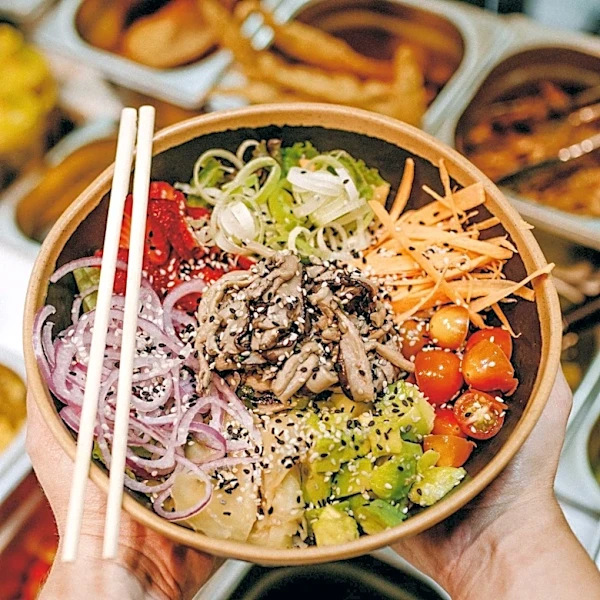
away, whether it's reconnecting with family, trying new activities, or celebrating special occasions. This shift is leading to the rise of niche travel categories such as wellness holidays, sports travel, food holidays, and adventure trips. For instance, Bali and Sri Lanka are popular for wellness retreats, offering yoga and spa experiences, while Thailand is highlighted for its culinary adventures. Sports enthusiasts are planning trips around events like UEFA Champions League matches or rugby fixtures, and families are opting for safaris in South Africa or adventure parks in Dubai.
Why It's Important?
This evolving approach to holiday planning has significant implications for the U.S. travel and tourism industry. It signals a move away from generic vacation packages towards highly personalized and experience-driven itineraries. For U.S. travel agencies and tour operators, this means a need to develop and market specialized travel products that cater to specific interests, such as wellness, culinary arts, or sports. The emphasis on 'what you want to get out of your time away' suggests that consumers are willing to invest more in unique and memorable experiences, potentially boosting revenue for niche tourism providers. This trend also encourages destinations within the U.S. to highlight their unique experiential offerings to attract travelers who are seeking specific activities rather than just a location.
What's Next?
The trend of experience-first holiday planning is expected to continue and intensify, leading to further diversification of travel offerings. Travel companies will likely invest more in creating bespoke itineraries and promoting specialized tours that align with specific traveler interests. This could result in a proliferation of themed holidays, such as 'foodie tours,' 'adventure challenges,' or 'mindfulness retreats,' both domestically and internationally. Destinations will increasingly market themselves based on the unique experiences they can provide, rather than just their scenic beauty or historical significance. This shift will also drive innovation in travel technology, with platforms offering more sophisticated tools for customizing trips based on desired activities and outcomes.
Beyond the Headlines
The move towards experience-led travel reflects a deeper societal shift in consumer values, where intangible experiences are often valued more than material possessions. This trend suggests a desire for personal growth, self-discovery, and meaningful engagement during leisure time. The popularity of wellness holidays, for example, indicates a collective pursuit of mental and physical well-being, while adventure travel speaks to a craving for excitement and pushing personal boundaries. This evolution in travel motivations could also be linked to a broader cultural emphasis on authenticity and individuality, where travelers seek to craft unique narratives for their lives through their journeys. Ultimately, this trend transforms travel from mere sightseeing into a powerful tool for self-actualization and personal enrichment.