
What's Happening?
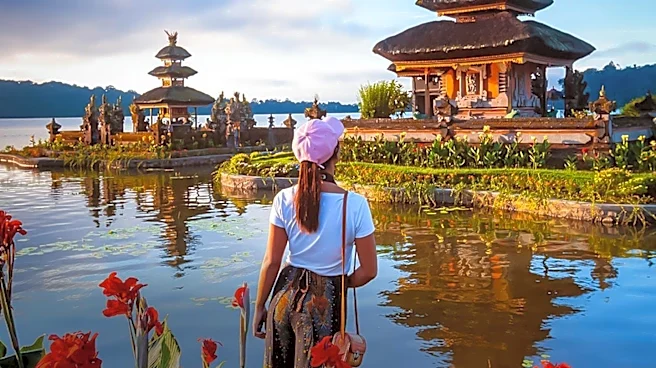
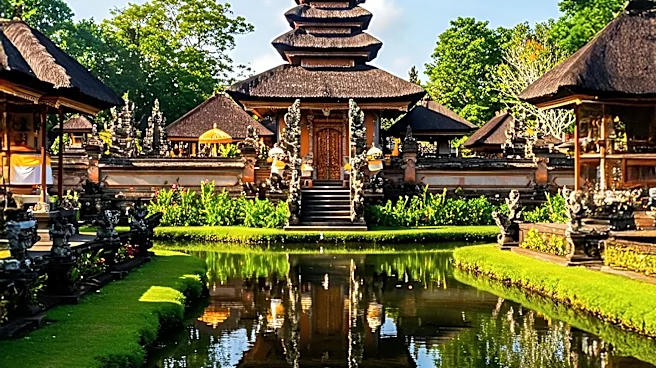
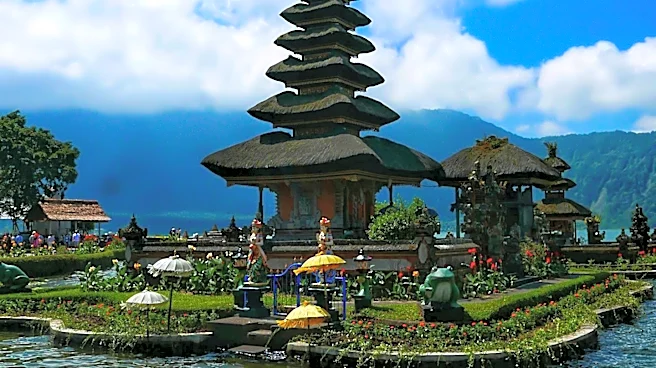
Bali, Indonesia, is highlighted as a popular tourist destination offering a wide array of attractions. Visitors can explore iconic sites such as the Tanah Lot Temple, a Hindu temple situated on a rock
in the sea, known for its sunsets. Another significant temple is Uluwatu, perched 70 meters above the Indian Ocean, which also hosts a Kecak Fire Dance at sunset. For nature enthusiasts, Bali features the active volcano Mount Batur, offering sunrise hikes, and the Sacred Monkey Forest of Ubud, home to over 600 free-roaming Balinese macaques. The island also boasts Seminyak Beach, characterized by black volcanic sand and trendy beach clubs, and the Tegalalang rice terraces in Ubud. Accommodation options include various villas across Seminyak, Sanur, and Ubud, catering to different preferences. The island's diverse landscape includes beaches, cafes, jungle waterfalls, ancient temples, and quiet mountain villages, making it a comprehensive destination for various travel interests.
Why It's Important?
Bali's continued prominence as a global tourist destination is important for the travel and tourism industry, particularly for Indonesia's economy. The diverse range of attractions, from cultural landmarks like ancient temples to natural wonders such as volcanoes and beaches, appeals to a broad international audience. This sustained interest supports local businesses, including accommodations, tour operators, and traditional craft markets, contributing significantly to employment and economic growth in the region. The emphasis on unique cultural experiences, like the Kecak Fire Dance and traditional Balinese massages, also helps preserve and promote local heritage. For U.S. travelers, Bali offers an accessible and enriching international travel experience, providing opportunities for cultural immersion and adventure tourism that differ from domestic options. The robust tourism infrastructure also ensures a comfortable and engaging visit for international guests.
What's Next?
Bali is expected to continue attracting tourists with its established and diverse offerings. Tour operators and travel agencies will likely continue to promote packages that combine cultural experiences, adventure activities, and relaxation. The focus on iconic sites like Tanah Lot Temple, Uluwatu Temple, and Mount Batur will remain central to tourism marketing. Efforts to maintain and enhance the visitor experience, potentially through sustainable tourism practices, could be a future development to preserve the island's natural and cultural assets. The availability of various accommodation types, from luxury villas to more traditional stays, suggests a continued effort to cater to different traveler segments. The promotion of specific itineraries, such as those combining Ubud's cultural aspects with Seminyak's beaches, indicates a strategic approach to showcasing the island's multifaceted appeal.
Beyond the Headlines
Beyond its immediate appeal as a tourist hotspot, Bali represents a significant case study in balancing economic development through tourism with cultural preservation and environmental sustainability. The island's spiritual significance, embodied by its numerous temples and sacred sites like Mount Agung, plays a crucial role in its identity and attracts visitors seeking more than just leisure. The interaction between tourists and local communities, particularly in areas like the Sacred Monkey Forest, highlights the delicate balance required to manage wildlife and cultural practices in a high-traffic environment. The promotion of traditional Balinese massages and local crafts also underscores the economic importance of indigenous practices. As tourism evolves, Bali's approach to managing its natural resources and cultural heritage will offer valuable lessons for other destinations facing similar pressures, emphasizing the long-term implications of tourism on local ecosystems and societal structures.