








What's Happening?
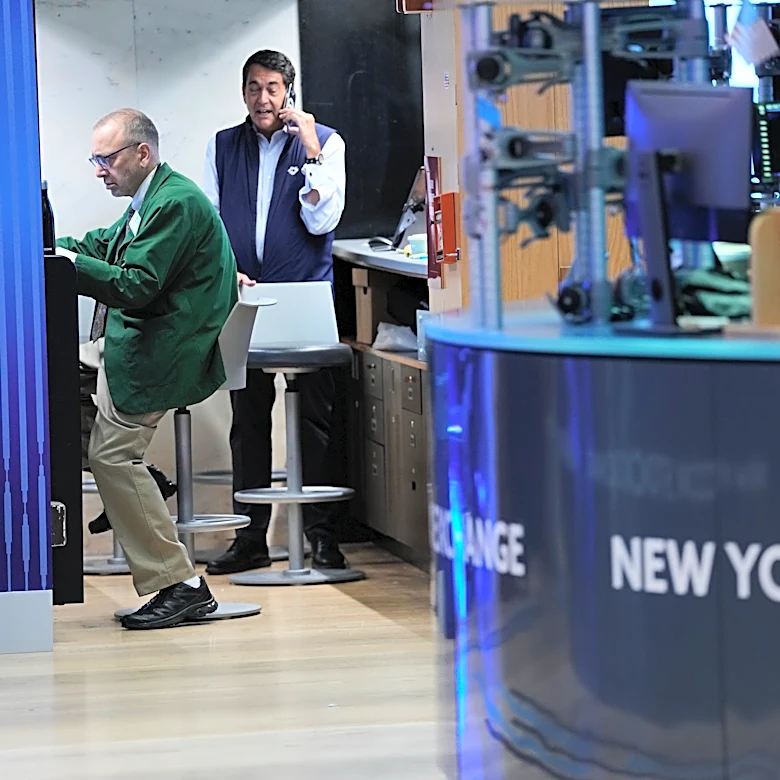
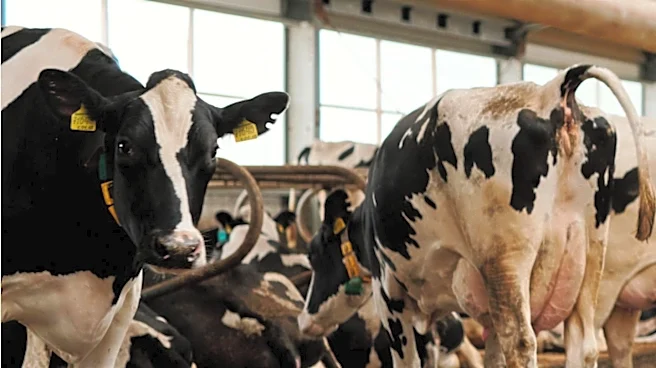
JBS, the world's largest beef processor, has decided to abandon its goal of achieving net-zero greenhouse gas emissions by 2040. Instead, the company will focus on reducing the intensity of its Scope 1 and 2 emissions by 30% by 2030, with a new target
of a 70% reduction by 2050. This decision follows a review of their emissions goals and a settlement with the New York attorney general's office over allegations of lacking a viable plan to achieve the 2040 target. JBS's Chief Sustainability Officer, Jason Weller, emphasized the need for measurable and accountable goals, particularly in areas where the company has operational control.
Why It's Important?
JBS's shift in emissions strategy highlights the challenges faced by large corporations in balancing ambitious environmental goals with practical implementation. The decision reflects a broader trend among major companies reassessing their sustainability targets in response to external pressures and feasibility concerns. This move could influence other companies in the food industry to reevaluate their environmental commitments, potentially impacting global efforts to combat climate change. The focus on more achievable targets may lead to more effective and transparent sustainability practices, although it also raises questions about the pace of progress in reducing overall emissions.
What's Next?
JBS's revised emissions targets may prompt further scrutiny from environmental groups and regulatory bodies, potentially influencing future policy and industry standards. The company may also face pressure to develop comprehensive strategies for addressing Scope 3 emissions, which constitute the majority of their carbon footprint. As JBS implements its new goals, the effectiveness of these measures will be closely monitored, potentially serving as a case study for other companies navigating similar challenges in sustainability.