




What's Happening?
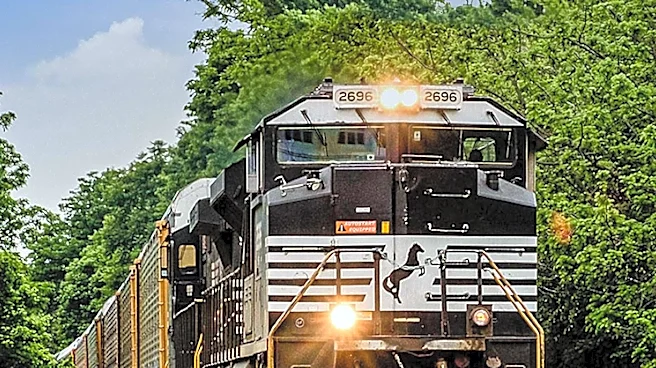
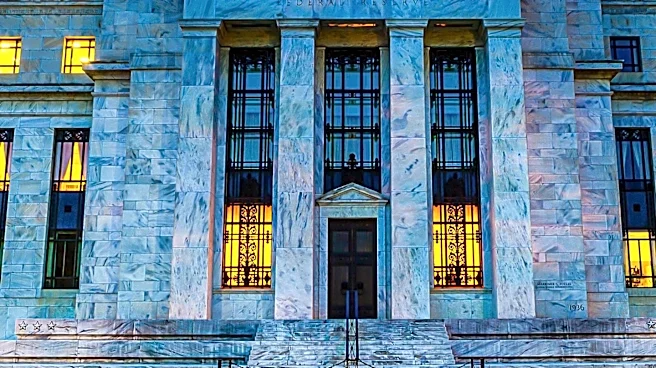
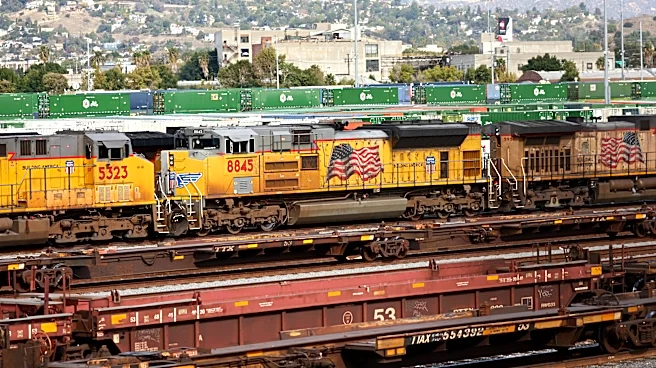
Federal regulators are currently reviewing a proposed merger between Union Pacific and Norfolk Southern, a move that would make Union Pacific the largest railroad in the United States and the first to serve both coasts. The nation's rail network is traditionally
divided by the Mississippi River, with major Midwestern cities like Chicago, Kansas City, and St. Louis serving as interchange points. While Union Pacific claims the merger will cut shipping costs and has offered a 'Jobs For Life' promise to union workers, this promise is met with skepticism by some unions, including the Brotherhood of Maintenance Way Employees. Concerns have also been raised about the potential relocation of managerial Union Pacific workers to Atlanta, prompting legislative action in Nebraska to retain high-paying jobs through tax credits. Public comments on the merger were due on November 18.
Why It's Important?
This proposed merger carries significant implications for the U.S. rail industry, potentially reducing the number of major railroads from six to five. Opponents, including a coalition of labor unions, shippers, farmers, and transportation groups, argue that further consolidation could lead to higher shipping costs, contrary to Union Pacific's claims. There are also fears that such a merger could trigger a cascade of other mergers among the remaining railroads. The 'Jobs For Life' promise, while intended to alleviate union concerns, has created division among labor groups, highlighting the complex impact on workers. The controversy surrounding Union Pacific CEO Jim Vena's alleged threat to raise rates for businesses not supporting the merger further underscores the potential for anti-competitive practices and increased costs for consumers and businesses reliant on rail transport.
What's Next?
The federal regulatory review process will continue, with regulators evaluating the public comments submitted by various stakeholders. The 'Stop The Rail Merger Coalition,' comprising diverse groups, will likely continue its efforts to oppose the merger, emphasizing concerns about consolidation, potential price increases, and job security. The skepticism surrounding the merger's approval has intensified following the circulation of a video featuring Union Pacific CEO Jim Vena. The outcome of this regulatory review will determine the future landscape of the U.S. rail industry, potentially leading to a more consolidated market or maintaining the current competitive structure. The Nebraska Legislature's actions regarding tax credits for large employers also indicate ongoing efforts to mitigate potential job losses within the state.
Beyond the Headlines
The proposed merger between Union Pacific and Norfolk Southern highlights broader issues concerning market consolidation and its impact on competition, labor, and regional economies. The debate over 'Jobs For Life' promises versus actual job security reflects the ongoing tension between corporate expansion and worker protections. The concerns raised by the 'Stop The Rail Merger Coalition' about potential price hikes and reduced service quality underscore the critical role of regulatory oversight in preventing monopolies and ensuring fair practices in essential industries. This situation also brings to light the ethical considerations of corporate influence, particularly in light of the alleged threats made by Union Pacific's CEO, which could have long-term implications for corporate-customer relations and public trust in large corporations.