





What's Happening?
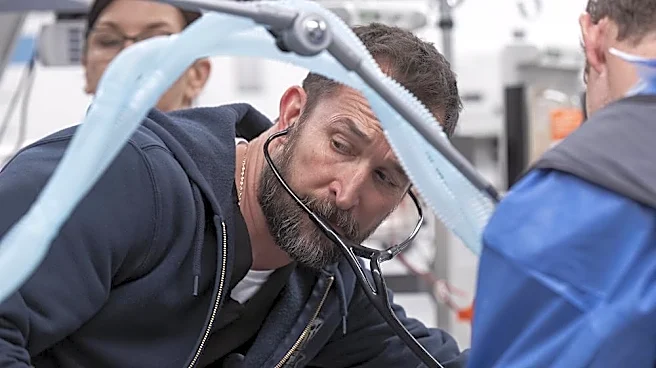
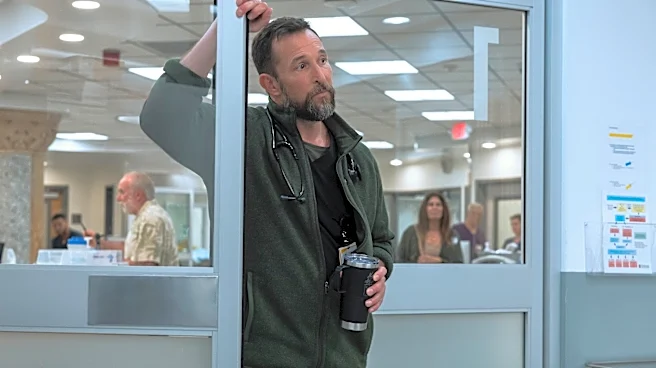
A California appeals court has ruled that a lawsuit alleging HBO Max's series 'The Pitt' is an unauthorized reboot of the classic medical drama 'ER' can move forward. Sherri Crichton, widow of 'ER' creator Michael Crichton, filed the lawsuit, claiming
'The Pitt' is a rebranded version of an 'ER' reboot she had previously rejected. Michael Crichton's original contract for 'ER' included a 'frozen rights' provision, which prohibited Warner Bros. from creating sequels, remakes, or spinoffs without his or his estate's consent. The lawsuit contends that after failing to reach an agreement with Sherri Crichton for a proposed 'ER' reboot, the TV studio proceeded to develop and produce 'The Pitt' based on a similar premise without permission. The appeals court, however, dismissed 'The Pitt' creators John Wells and R. Scott Gemmill, and actor Noah Wyle, as defendants, finding no evidence they were aware of the specific contractual provisions Crichton's lawsuit alleges they interfered with. The lawsuit was initially filed two years ago, prior to 'The Pitt' airing any episodes.
Why It's Important?
This case highlights the complexities and legal challenges surrounding intellectual property rights in the entertainment industry, particularly concerning established franchises and their creators' estates. The 'frozen rights' provision in Michael Crichton's original 'ER' contract underscores the importance of detailed contractual agreements in protecting creative works. A ruling in favor of Crichton's estate could set a significant precedent for how studios approach reboots and spinoffs of popular series, potentially increasing the leverage of original creators or their heirs in future negotiations. Conversely, if the court finds in favor of HBO Max, it could influence the interpretation of such contractual clauses and potentially make it easier for studios to develop new content that bears resemblance to existing works without explicit consent from original creators. The outcome will be closely watched by legal professionals and content creators across Hollywood, as it could impact future production strategies and the valuation of intellectual property.
What's Next?
The lawsuit will now proceed in the lower courts, focusing on the core claim that 'The Pitt' infringes upon the 'frozen rights' provision of Michael Crichton's 'ER' contract. The legal proceedings will likely involve a detailed examination of both series to determine the extent of their similarities and whether 'The Pitt' constitutes an unauthorized derivative work. Warner Bros. will need to present its defense against the allegations of contractual interference and unauthorized production. The case could lead to a settlement or a full trial, with potential outcomes ranging from monetary damages to injunctions against 'The Pitt's' continued production or distribution. The decision to dismiss key individuals like John Wells and R. Scott Gemmill from the lawsuit narrows the scope of the defense but keeps the central dispute over intellectual property alive.
Beyond the Headlines
The legal battle between Sherri Crichton and HBO Max extends beyond a simple contract dispute; it touches upon the broader ethical considerations of creative legacy and the rights of creators' estates in an era of constant reboots and adaptations. The 'frozen rights' clause, while seemingly straightforward, raises questions about the longevity of creative control and how far a studio can go in developing new content that draws inspiration from past successes. This case could influence how future contracts are drafted, potentially leading to more explicit language regarding reboots and derivative works. It also highlights the tension between a studio's desire to capitalize on established brands and the original creators' intent for their work. The outcome may encourage a re-evaluation of industry practices concerning intellectual property and the respect afforded to the original visionaries behind successful franchises.