






What's Happening?
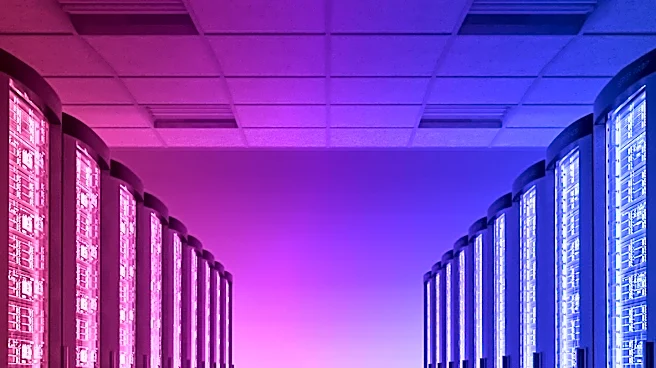
Major Wall Street alternative asset managers, including Blackstone, Blue Owl, and Ares Management, are making significant investments in the physical infrastructure supporting the artificial intelligence (AI) boom. These firms are acquiring and developing
data centers, which house the servers and computing equipment essential for training and running AI models. Their strategy involves securing long-term leases, typically 15 to 20 years, with annual rent escalators, primarily with investment-grade tenants like Microsoft, Amazon, and Meta. This approach aims to generate predictable and growing rental income for investors while mitigating risks associated with short-term leases or volatile token pricing. Blue Owl, for instance, reports owning over 130 data centers with nearly 14 gigawatts operating or under construction, with an additional 21 gigawatts in its pipeline. Blackstone emphasizes that 96% of its data center counterparties are investment-grade, with an average market capitalization of $2.5 trillion, reducing perceived risk.
Why It's Important?
This investment trend highlights a significant shift in how Wall Street is capitalizing on the AI revolution. Instead of directly investing in AI software or speculative ventures, these asset managers are focusing on the foundational infrastructure, treating data centers as essential, long-term real estate assets. This strategy provides a more stable and predictable revenue stream, as demand for computing power is not expected to decline. It also addresses growing concerns about the potential for defaults among debt-laden 'neocloud' companies and the risk of massive spending in the AI sector failing to deliver adequate returns. By securing long-term leases with financially robust tenants, these firms are positioning themselves to benefit from the sustained growth of AI without directly assuming the technological or market risks associated with AI development itself. This approach could also influence future capital allocation in the tech sector, steering more investment towards physical infrastructure.
What's Next?
The continued expansion of AI infrastructure is expected to drive substantial capital expenditure in the coming years. Ares Management estimates AI-related CapEx demand will exceed $5 trillion through 2030, with approximately $2 trillion allocated to physical data center buildings and associated power generation and transmission. This demand will likely broaden the private credit market beyond traditional direct lending, as financing needs for these large, long-duration projects grow. While many borrowers are investment-grade, ratings agencies like Moody's note increasing risks related to concentration, construction, residual value, and circular financing. As AI technology evolves, the demand for more advanced and energy-efficient data centers will also likely increase, prompting further investment in innovation within this infrastructure sector. The focus on long-term, high-quality tenants is expected to remain a core strategy for these asset managers.
Beyond the Headlines
This strategic pivot by Wall Street asset managers towards owning AI infrastructure reflects a broader understanding of the digital economy's foundational needs. It underscores the idea that while AI applications may capture headlines, the underlying physical assets that power them are equally, if not more, critical for long-term value creation. This approach also raises questions about the concentration of digital infrastructure ownership and its potential implications for market competition and access to computing resources in the future. As these firms lock in long-term leases with major tech companies, it could solidify the market dominance of current hyperscalers and potentially create barriers for new entrants. Furthermore, the massive energy demands of these data centers will increasingly bring environmental and sustainability considerations to the forefront, influencing future investment decisions and regulatory frameworks.