






What's Happening?
Gardeners are being cautioned against using high-nitrogen fertilizers in August, as this practice can be detrimental to plant health and reduce the production of flowers and fruits. While many plants can still benefit from nutritional boosts in late summer,
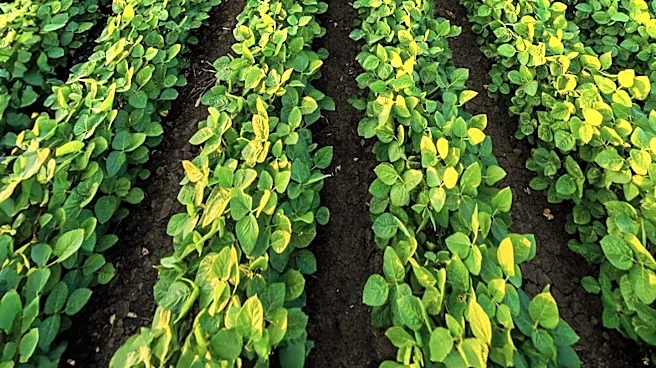
the type of fertilizer used is critical. High-nitrogen feeds, which primarily promote lush green growth of stems and foliage, are unsuitable for this period. Instead, plants in August require nutrients that support flowering and fruiting, such as phosphorus and potassium. Applying high-nitrogen fertilizers late in the season can lead to unseasonal soft growth that is vulnerable to early frosts, pests, and diseases. This advice applies to various plants, including annuals, perennials, vegetables, and even lawns, where excess nitrogen can result in weak, leggy growth rather than strengthening the turf for dormancy. Over-fertilization, particularly with high-nitrogen products, can cause symptoms like discolored foliage, stunted growth, wilting, or shedding of leaves, flowers, or fruits.
Why It's Important?
This guidance is important for U.S. gardeners and agricultural enthusiasts as it directly impacts the success and longevity of their plants. Misapplying fertilizers can lead to wasted resources, diminished harvests, and unhealthy plants, affecting both home gardens and smaller-scale commercial operations. By understanding the specific nutritional needs of plants in late summer, gardeners can optimize their efforts, ensuring a more robust and extended flowering season for ornamental plants and a higher yield of fruits and vegetables. Avoiding high-nitrogen feeds prevents the development of tender new growth that is susceptible to environmental stressors like frost, thereby reducing plant mortality and the need for costly replacements. This practice also promotes sustainable gardening by encouraging the correct use of products, minimizing chemical runoff, and fostering healthier plant ecosystems. Adhering to these recommendations can lead to more resilient gardens and a more productive end to the growing season across various U.S. climates.
What's Next?
Gardeners should transition to fertilizers that are higher in phosphorus and potassium, often labeled as 'bloom boosters' or 'tomato feeds,' for plants that are still actively blooming or developing fruits. This includes popular garden staples like roses, dahlias, tomatoes, and peppers, especially those grown in containers, which require more frequent feeding. These specialized fertilizers should be applied every one to two weeks until approximately six weeks before the first anticipated frost. For plants like shrubs, trees, and early-flowering perennials, it is advisable to cease fertilization altogether in late summer, allowing them to naturally prepare for fall and winter dormancy. Additionally, practices such as deadheading spent blooms on annuals and perennials like sweet peas, roses, and dahlias will redirect plant energy towards producing new flowers, further extending the display. If signs of over-fertilization appear, flushing the soil with ample water and refraining from further feeding for the season is recommended.
Beyond the Headlines
The emphasis on precise fertilization practices in late summer highlights a broader shift towards more informed and sustainable gardening. This approach moves beyond generic feeding schedules to a nuanced understanding of plant physiology and seasonal needs. It underscores the importance of reading fertilizer labels, specifically the NPK ratio, to make environmentally responsible choices. The advice also subtly promotes a more patient and observant gardening style, encouraging individuals to monitor their plants for specific needs rather than applying a one-size-fits-all solution. This mindful approach can lead to a deeper connection with nature and a greater appreciation for the biological processes governing plant growth. Furthermore, the warning against creating vulnerable new growth in late summer reflects a long-term perspective on plant health, preparing them for resilience against upcoming seasonal changes rather than short-term aesthetic gains, contributing to overall garden ecosystem stability.