






What's Happening?
Schools are increasingly incorporating a variety of exercise equipment into after-school programs to enhance children's physical fitness and overall development. This initiative aims to provide engaging and flexible ways for kids to stay active, moving
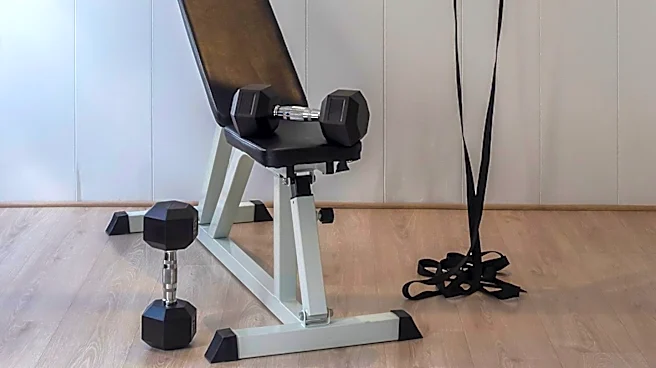
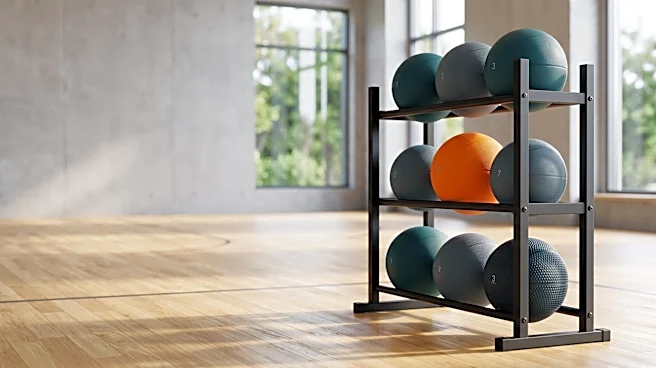
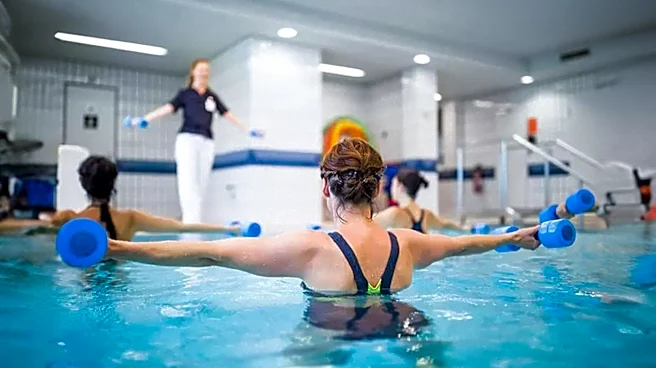
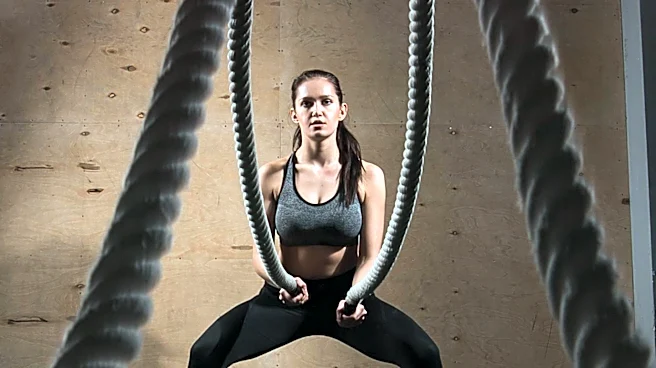
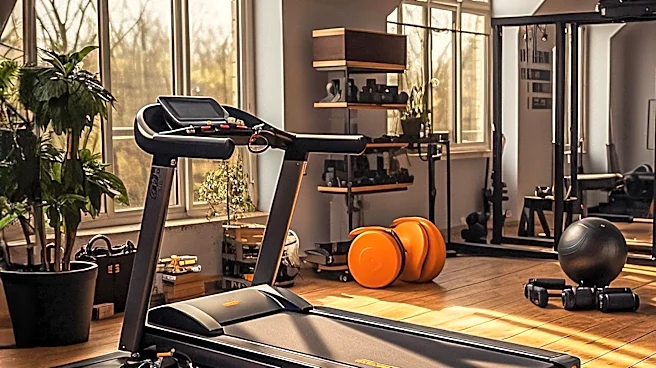
beyond traditional educational settings to foster physical health. The equipment ranges from youth cardio machines and strength-building tools like battle ropes to cross-training setups, bikes, spin bikes, trampolines, medicine balls, and flexibility mats. The goal is to create an active and inclusive environment where children can build coordination, teamwork, focus, and confidence while releasing energy in a healthy manner. This approach ensures that physical fitness is considered as important as academic learning.
Why It's Important?
This trend is crucial for addressing childhood inactivity and promoting long-term health habits in the U.S. By making exercise fun and accessible in after-school settings, schools can significantly contribute to combating rising rates of childhood obesity and related health issues. For the sports and fitness industry, it opens a new market for specialized youth exercise equipment and program development. It also highlights a societal recognition of the holistic development of children, where physical activity is seen as integral to mental and emotional well-being. Investing in such programs can lead to a healthier, more engaged generation, potentially reducing future healthcare burdens and fostering a more active populace.
What's Next?
The integration of diverse exercise equipment in schools is expected to expand, with a growing emphasis on innovative and interactive fitness solutions tailored for children. Manufacturers will likely develop more durable, safe, and age-appropriate equipment that can withstand frequent use in school environments. There will also be a greater focus on curriculum development for after-school fitness programs, incorporating elements of play, teamwork, and skill-building. Partnerships between schools, fitness organizations, and community groups may become more common to fund and implement these initiatives. Additionally, the use of technology, such as gamified fitness apps and wearable trackers for kids, could be integrated to enhance engagement and track progress in these programs.
Beyond the Headlines
The emphasis on kids' after-school fitness programs reflects a deeper societal understanding of the interconnectedness of physical and mental health from an early age. It challenges the traditional view of education as solely academic, advocating for a more balanced approach that nurtures the whole child. This initiative can help instill a lifelong love for physical activity, fostering positive body image and resilience. It also raises questions about equitable access to such resources, ensuring that all children, regardless of socioeconomic background, have opportunities to participate. The long-term impact could be a generation that is not only physically healthier but also better equipped with social skills, discipline, and stress management techniques learned through structured play and exercise.