






What's Happening?
Jerry Reinsdorf, the current chairman of the Chicago White Sox, has agreed to a plan that could lead to the sale of a controlling stake in the team to billionaire Justin Ishbia by the end of the 2034 season. In anticipation of this potential acquisition,
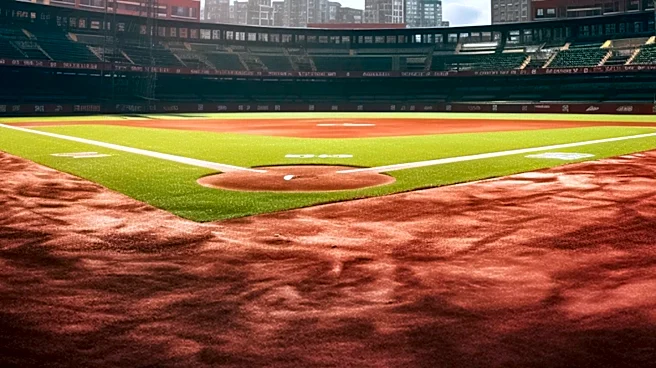
Ishbia's Canal Edge development company has unveiled an early-stage proposal for a new White Sox ballpark. This proposed stadium, dubbed 'The Railyards,' would be located along the Chicago River between Roosevelt Road and 18th Street. The project envisions an open-air ballpark integrated into a larger mixed-use development, which would include transit-oriented residential, commercial, and retail spaces. Additionally, the plans suggest the inclusion of a Northwestern Medicine healthcare facility. The current lease for the White Sox at Rate Field is set to expire in 2029, prompting the team to explore future venue options. While Reinsdorf remains the ultimate decision-maker for the club, Ishbia is reportedly prepared to privately finance the new ballpark.
Why It's Important?
This development holds significant implications for the future of professional sports in Chicago and urban development within the city. A new, privately financed stadium could revitalize a substantial portion of the Chicago Riverfront, creating a new economic hub with residential, commercial, and healthcare facilities. This project could generate numerous jobs during construction and operation, boosting the local economy. For the White Sox, a modern facility could enhance fan experience, increase revenue streams through new amenities and development, and potentially attract more talent. However, the proposal also faces scrutiny, with some community leaders expressing concerns about potential environmental impacts, the relocation of a rail yard, and the possibility of public subsidies, even if Ishbia intends to privately finance the ballpark. The success of this project could set a precedent for how major sports franchises integrate with urban planning and private investment in large U.S. cities.
What's Next?
The proposed 'The Railyards' project is currently in its early stages and is subject to various studies, including transportation, environmental, and feasibility assessments. City and team officials have expressed cautious interest, indicating that further discussions and evaluations are necessary before any definitive decisions are made. The White Sox's lease at Rate Field expires in 2029, providing a timeline for these considerations. Over the coming years, stakeholders will likely engage in detailed negotiations regarding the project's scope, financing, and community impact. Public hearings and consultations with local residents and community groups are also anticipated to address concerns and gather feedback. The agreement between Jerry Reinsdorf and Justin Ishbia suggests that the potential sale of the team and the development of a new stadium are intertwined, with the ultimate transfer of ownership contingent on future developments.
Beyond the Headlines
Beyond the immediate plans for a new stadium, this situation highlights broader trends in professional sports and urban development. The move towards privately financed stadiums, as reportedly intended by Ishbia, could signal a shift away from reliance on public funds for such large-scale projects, potentially alleviating taxpayer burden. The integration of a sports venue with mixed-use development, including residential, retail, and healthcare facilities, reflects a growing trend to create comprehensive 'live, work, play' environments around major attractions. This approach aims to maximize economic benefits and create vibrant urban centers. However, it also raises questions about gentrification, displacement of existing communities, and equitable access to new amenities. The involvement of Northwestern Medicine suggests a potential for innovative partnerships between sports organizations and healthcare providers, offering new models for community engagement and service delivery.