


What's Happening?
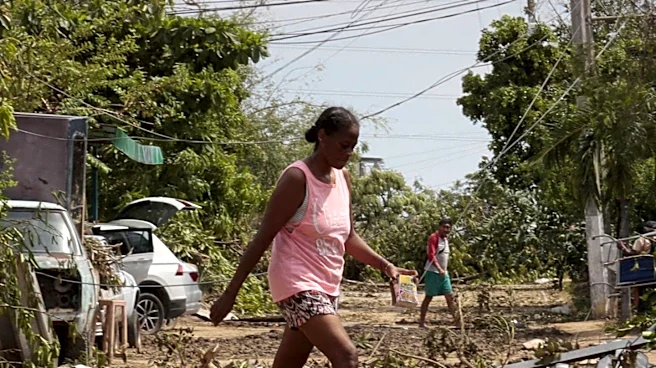
Severe weather events, including windstorms, hail, and wildfires, are occurring with increased frequency and intensity, directly impacting the cost and availability of insurance in the U.S. Insurance companies are experiencing higher payouts due to more
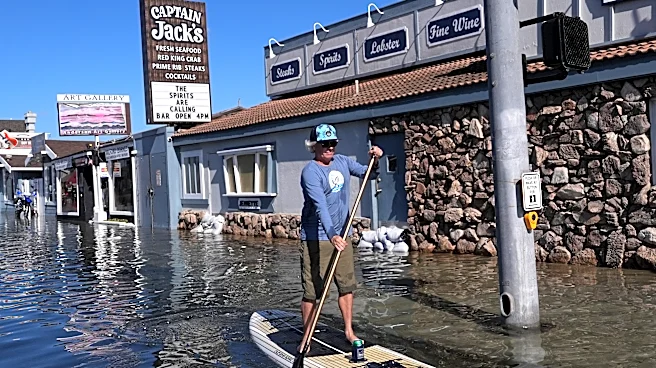
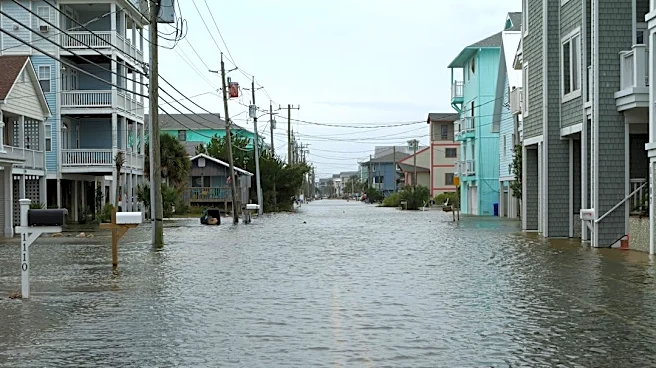
frequent claims and greater damage from intense weather, leading to increased premiums for property owners. In some regions, the high cost of claims has prompted insurance companies to cease offering new policies. For instance, some insurers are no longer covering new homeowners in California due to wildfire risks, and companies in Florida and Louisiana have faced financial strain from hurricane claims. Homeowners' insurance policies often do not cover flood damage, necessitating separate coverage, and some policies are now excluding fire or wind damage, or imposing higher deductibles and coverage limits for certain claims.
Why It's Important?
The escalating cost and reduced availability of insurance due to severe weather have significant economic and social implications across the U.S. For homeowners, rising premiums and stricter policy terms can make homeownership less affordable and accessible, particularly in high-risk areas. This trend can also depress property values and hinder economic development in affected regions. Businesses, especially those in vulnerable locations, face increased operational costs and financial uncertainty, potentially impacting their long-term viability. The withdrawal of insurers from certain markets creates 'insurance deserts,' leaving property owners with limited or no options for coverage, which can lead to greater financial devastation after a disaster. This situation underscores the urgent need for comprehensive strategies to address climate resilience, risk mitigation, and the future of the insurance market in a changing climate.
What's Next?
Property owners in areas prone to severe weather are advised to take proactive measures to mitigate damage, such as choosing resilient roofing materials, securing outdoor objects, and implementing landscaping to manage water flow. For flood risks, elevating appliances and avoiding storing valuables on lower levels are recommended. Insurance companies and financial advisors, like Farm Bureau, are offering guidance on understanding policy impacts and coverage options. States may continue to explore or expand 'safety net' insurance programs for those unable to secure private coverage, though these can also lead to increased costs for policyholders. The ongoing trend of severe weather will likely drive further innovation in risk assessment and potentially lead to new insurance products or government-backed initiatives to ensure adequate coverage for vulnerable populations and properties.
Beyond the Headlines
The impact of severe weather on the insurance industry extends beyond mere financial transactions; it reflects a fundamental shift in how society perceives and manages environmental risks. The retreat of insurers from high-risk areas is not just a business decision but a stark indicator of the growing uninsurability of certain regions, raising questions about long-term habitability and property rights. This situation could catalyze a reevaluation of land-use policies, building codes, and urban planning to prioritize resilience over development in vulnerable zones. Furthermore, it highlights the potential for a widening gap between those who can afford comprehensive coverage and those who cannot, exacerbating social inequalities. The crisis in the insurance market may ultimately force a broader societal conversation about collective responsibility for climate adaptation and the role of government in providing essential protections when private markets fail.