





What's Happening?
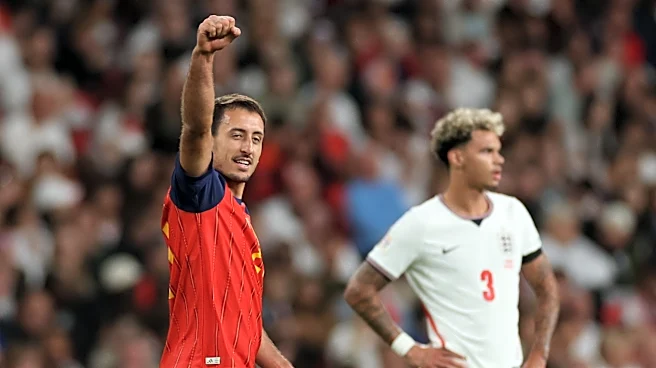
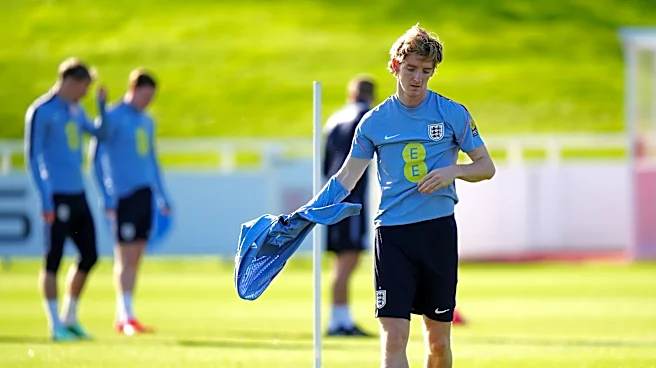
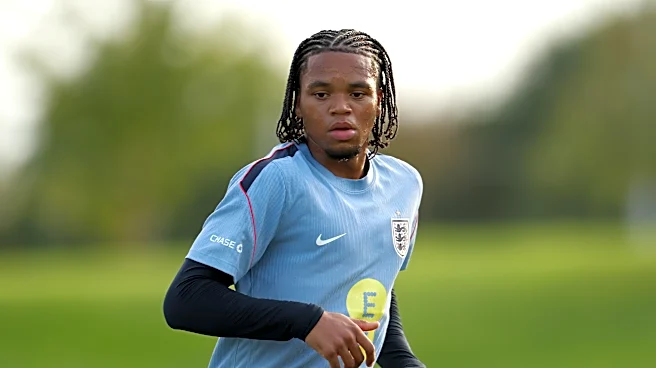
Football pundit Roy Keane has publicly criticized Chelsea midfielder Cole Palmer for his decision to withdraw from the England national squad. Palmer was initially selected for the Nations League fixtures but subsequently pulled out alongside other players
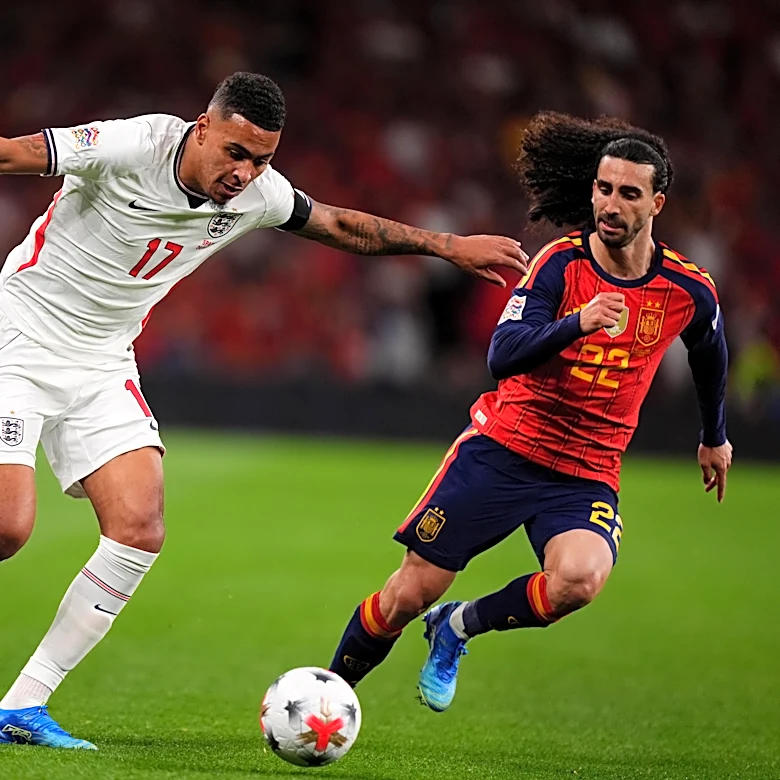
including Declan Rice and Marcus Rashford. Keane, speaking on ITV before England's match against Spain, stated that Palmer 'has too many bad habits' and questioned his ability to elevate the England team to a trophy-winning level. This criticism follows comments from Chelsea manager Thomas Tuchel, who also noted that Palmer has missed 'too many opportunities' with the national team due to injuries. Palmer himself had previously mentioned struggling with a groin injury for a significant part of the last season, claiming he 'had one leg for 10 months.'
Why It's Important?
This situation highlights the ongoing tension between club and country commitments for top-tier football players, especially concerning injury management and player availability. For Chelsea, Palmer's recurring injury issues and subsequent withdrawal from international duty could be a double-edged sword; while it allows him more time to recover and focus on club performance, it also draws criticism from prominent figures like Roy Keane, potentially affecting player morale and public perception. For the England national team, the withdrawal of key players like Palmer, regardless of the reason, can disrupt team cohesion and tactical planning, especially in important fixtures like the Nations League. The comments from both Keane and Tuchel underscore the high expectations placed on young talents and the scrutiny they face regarding their fitness and commitment to both club and national duties.
What's Next?
Cole Palmer's immediate future will likely involve continued recovery and rehabilitation from his groin injury, with a focus on regaining full fitness for Chelsea's upcoming matches. The public criticism from Roy Keane and the remarks from manager Thomas Tuchel could place additional pressure on Palmer to demonstrate his commitment and form upon his return to play. His performance in subsequent club games will be closely watched to see if he can overcome these 'bad habits' and injury concerns. For the England national team, the coaching staff will need to assess the fitness of all withdrawn players and potentially look to other talents to fill the gaps for future international call-ups, ensuring squad depth and readiness for upcoming competitions.
Beyond the Headlines
The incident with Cole Palmer and Roy Keane's comments delve into the broader discussion about player welfare, the demands of modern football, and the role of media scrutiny. The intense schedule of club and international football often pushes players to their physical limits, leading to frequent injuries. This raises questions about the balance between player health and the expectations from national teams and clubs. Furthermore, the public nature of Keane's criticism, while common in sports punditry, can have a significant psychological impact on young athletes. It also highlights the differing perspectives between former players, who often emphasize resilience and commitment, and current management, who might prioritize player health and long-term career sustainability. This ongoing debate shapes how injuries are reported, managed, and perceived within the football community.