










What's Happening?
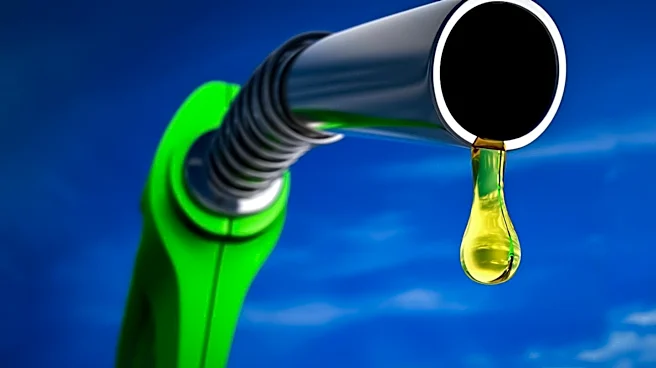
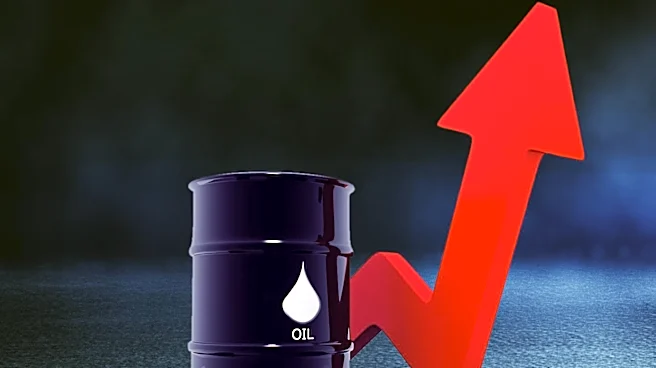
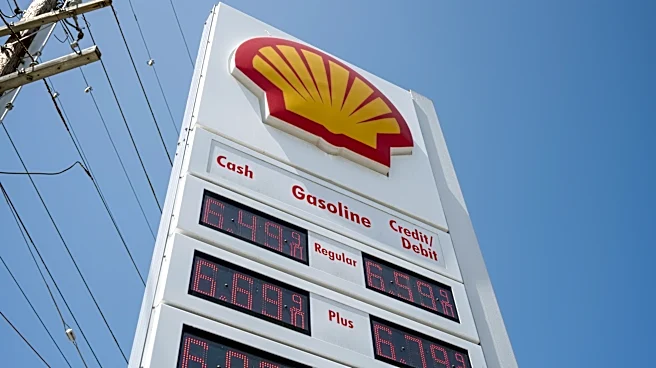
Gas prices in the United States have dropped to an average of $3.86 per gallon, providing relief to American drivers after months of high prices. However, experts warn that the sharp decline could introduce new economic challenges. The drop in prices follows
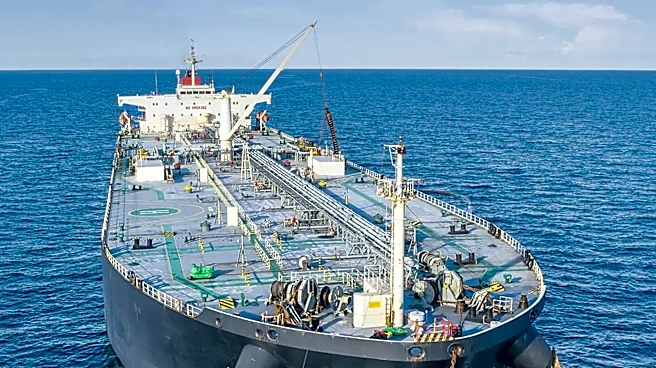
a peak during the Iran war, which had disrupted oil flows through the Strait of Hormuz. While the decrease in gas prices is welcomed by consumers, it could lead to reduced investment in the oil and gas sector and potentially slow the transition to electric vehicles. The U.S. Department of Justice is investigating alleged price gouging by oil companies, while the American Petroleum Institute denies these accusations.
Why It's Important?
The decline in gas prices has immediate benefits for consumers, reducing transportation costs and potentially boosting disposable income. However, the economic implications are complex, as lower prices could discourage investment in the energy sector and slow the adoption of electric vehicles, which are crucial for reducing carbon emissions. The situation also highlights the delicate balance between consumer relief and the need for sustainable energy policies. The ongoing investigation into price gouging reflects broader concerns about market manipulation and the need for regulatory oversight in the energy sector.
What's Next?
As gas prices continue to fluctuate, the U.S. government and energy industry stakeholders will need to address the potential long-term impacts on the economy and energy transition. The outcome of the Department of Justice's investigation could influence regulatory policies and industry practices. Additionally, the balance between consumer affordability and sustainable energy development will remain a key focus for policymakers. The situation may also prompt further discussions on energy security and the resilience of supply chains in the face of geopolitical tensions.