
What's Happening?
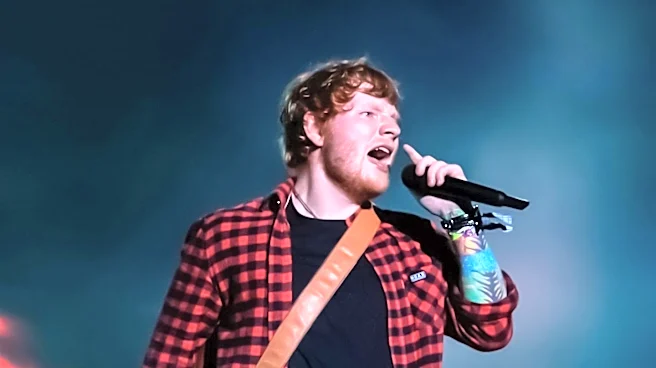
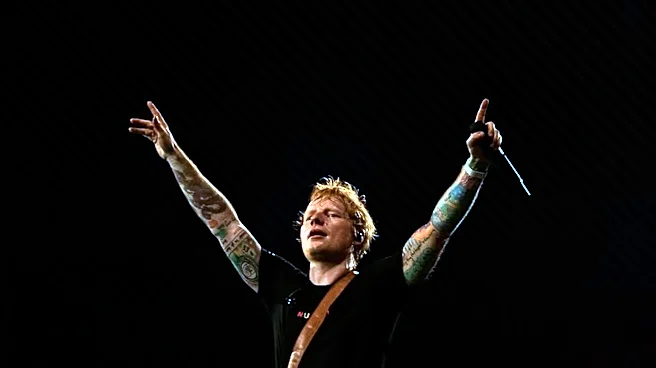
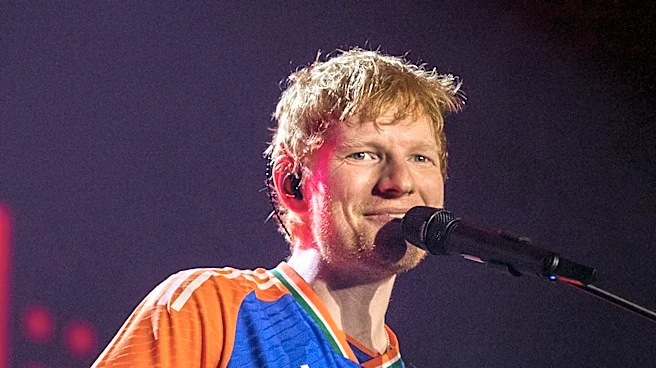
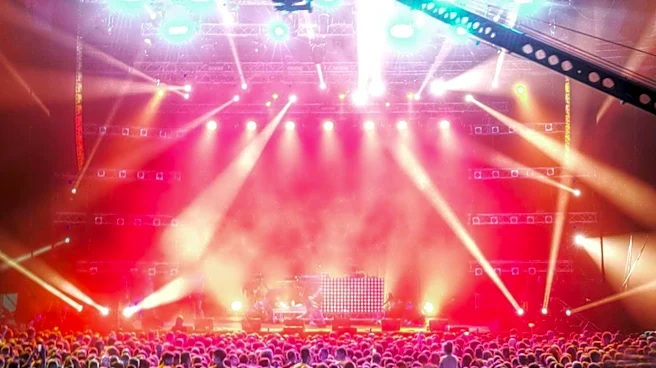
Macklemore, the American rapper, has publicly defended his pro-Palestine statements made during his opening act for Ed Sheeran in East Rutherford, New Jersey. During his performance, Macklemore vocalized
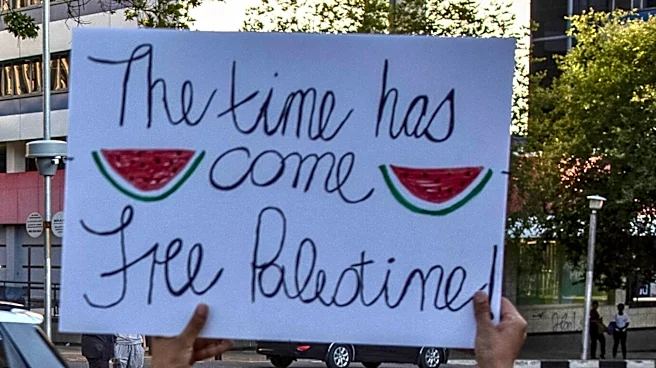
'Free Palestine' and introduced his song 'Hind's Hall,' which he stated was inspired by the Columbia University student encampment movement. He emphasized that his criticism of Israel, apartheid, and genocide is not a criticism of Jewish people, but rather a call for peace, dignity, respect, and equality for all human beings. These remarks have drawn criticism from other artists, including P!NK and Boy George, who shared social media posts condemning Macklemore's stance. The Israeli American Council has also launched a petition urging Ed Sheeran to remove Macklemore from the remainder of his tour, arguing against the use of a global concert platform for a 'one-sided political agenda.' Ed Sheeran has not yet commented on the controversy, while Macklemore continues to stand by his statements, asserting that 'Wanting all humans to be treated equal should never be controversial.'
Why It's Important?
This event highlights the increasing intersection of celebrity platforms and geopolitical issues, particularly the Israeli-Palestinian conflict, within the U.S. entertainment landscape. Macklemore's use of a major concert stage to express strong political views underscores the growing trend of artists leveraging their influence to advocate for social and political causes. This can significantly impact public discourse, potentially swaying opinions and mobilizing support among their fan bases. The backlash from other prominent artists and advocacy groups demonstrates the divisive nature of these issues and the pressure celebrities face when taking a public stance. For the music industry, it raises questions about the boundaries of artistic expression, the responsibilities of performers, and the potential for tours and events to become venues for political statements, which could affect audience reception and corporate sponsorships. The call for Ed Sheeran to drop Macklemore from the tour also illustrates the commercial and reputational risks associated with artists' political activism.
What's Next?
The immediate future will likely see continued debate and discussion surrounding Macklemore's comments and the broader issue of artists using their platforms for political advocacy. Ed Sheeran's silence on the matter may be interpreted in various ways, and any future statement or action from him could significantly impact the tour and the ongoing controversy. The petition from the Israeli American Council could gain further traction, potentially increasing pressure on Sheeran and his management. Macklemore is expected to continue his tour, and it remains to be seen if he will reiterate his stance or if his future performances will be met with further protests or counter-protests. This situation may also prompt other artists and event organizers to re-evaluate their policies regarding political expressions during performances, potentially leading to more explicit guidelines or restrictions in concert contracts. The incident could also inspire more artists to take similar stances or, conversely, deter others from engaging in politically charged discussions on stage.
Beyond the Headlines
This incident delves into deeper implications concerning freedom of speech, artistic responsibility, and the role of public figures in shaping societal narratives. It highlights the complex ethical considerations for artists who choose to use their global platforms to address sensitive political topics, particularly when those topics are highly polarizing. The differing reactions from P!NK, Boy George, and the Israeli American Council underscore the profound emotional and ideological divides surrounding the Israeli-Palestinian conflict, even within the entertainment community. Furthermore, the controversy touches upon the concept of 'cancel culture' and the pressures artists face to conform to certain political viewpoints or risk professional repercussions. It also raises questions about the authenticity of celebrity activism versus genuine commitment to a cause. The use of AI by Boy George to create a pro-Israel song also points to the evolving landscape of content creation and political messaging in the digital age, where technology can be leveraged to amplify or counter narratives.