






What's Happening?
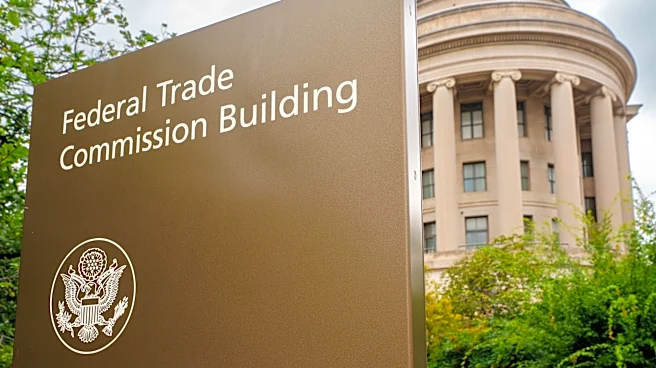
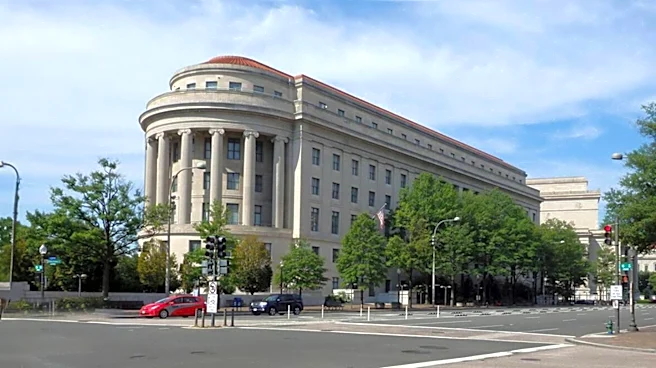
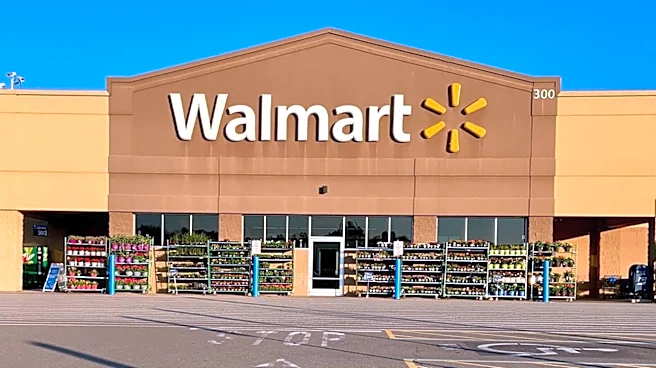
The Federal Trade Commission (FTC) is continuing to distribute refund checks to over 65,000 consumers who were defrauded through Walmart's money transfer services. This action stems from a 2022 FTC complaint alleging that Walmart allowed scammers to utilize
its money transfer services, leading to customer losses between January 2015 and December 2024. The total amount of refunds being issued exceeds $9.8 million. Payments are primarily being sent via traditional checks, which must be cashed within 90 days. The FTC also noted that other forms of payment, such as prepaid debit cards, PayPal, and Zelle, may be used. Consumers concerned about the legitimacy of their payment can verify it by checking for the involvement of companies that partner with the FTC for refund facilitation, including Analytics Consulting, Epiq Systems, JND Legal Administration, Rust Consulting, Inc., and Simpluris.
Why It's Important?
This ongoing refund distribution highlights the FTC's commitment to consumer protection and holding companies accountable for facilitating fraudulent activities. The significant sum of $9.8 million being returned to over 65,000 individuals underscores the widespread impact of these scams and the importance of robust safeguards in financial services. For consumers, these refunds offer a measure of restitution for their losses. For businesses, particularly those offering money transfer services, this case serves as a critical reminder of the need for stringent anti-fraud measures and compliance with regulatory requirements. Failure to adequately protect customers from scams can result in substantial financial penalties and reputational damage, reinforcing the necessity of proactive fraud prevention strategies.
What's Next?
Consumers who believe they are eligible for a refund but have not yet received one should continue to monitor their mail and other payment accounts (prepaid debit cards, PayPal, Zelle). The FTC's continued efforts suggest that the distribution process is ongoing. Individuals should also remain vigilant against potential follow-up scams related to these refunds and verify the legitimacy of any communications by cross-referencing with the FTC's official website or contacting the listed facilitating companies. This case may also prompt other financial service providers to review and enhance their fraud prevention protocols to avoid similar liabilities and protect their customers from evolving scam tactics.
Beyond the Headlines
The Walmart refund case sheds light on the broader challenge of combating financial fraud in an increasingly digital and interconnected world. The use of money transfer services by scammers highlights a vulnerability that requires continuous adaptation from both service providers and regulatory bodies. This situation also underscores the importance of consumer education regarding common scam tactics and the need for caution when using money transfer services. Beyond the immediate refunds, the long-term implication is a potential shift towards more stringent regulatory oversight and technological advancements in fraud detection and prevention within the financial services industry, aiming to create a safer environment for consumers and reduce the incidence of such large-scale fraud schemes.