
What's Happening?
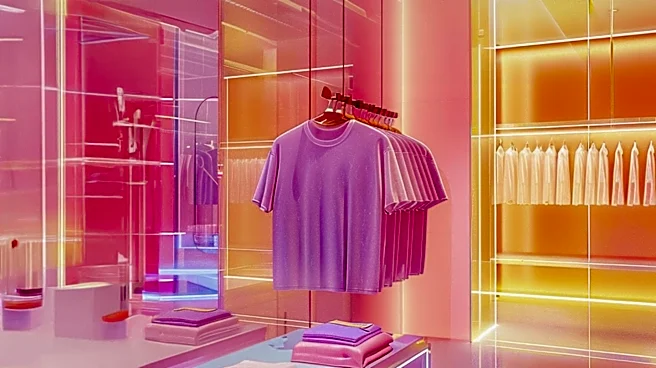
Retailers are increasingly adopting a range of advanced in-store technologies to optimize store operations, improve the customer shopping experience, and enhance security. These technologies include digital
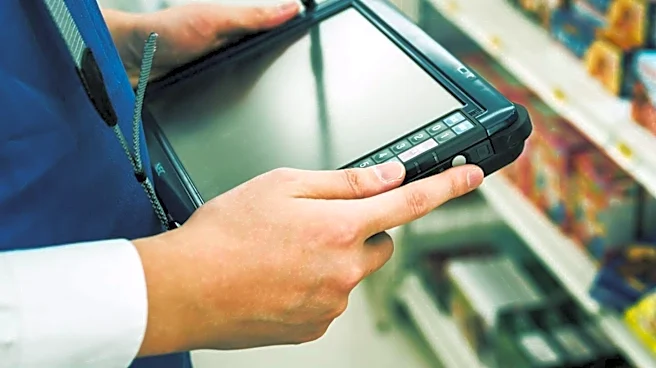
wayfinding, digital signage, in-store audio management, and signature scent diffusion. For operational efficiency, solutions like visitor analytics, product and shelf intelligence, loss prevention systems, and Electronic Article Surveillance (EAS) detection are being deployed. These systems often leverage advanced analytics, customer data, and image recognition to provide real-time assessments of store conditions and shelf inventory. Bluetooth technology and proprietary wireless communication protocols are utilized to connect and manage distributed devices and sensors, enabling data-driven proactive management within retail environments. Guardforce AI's Smart Retail Solution, for instance, integrates AI and hardware intelligence to facilitate data-driven decision-making across various aspects of store performance, from understanding customer traffic to ensuring product availability.
Why It's Important?
The integration of these in-store technologies is crucial for U.S. retailers seeking to remain competitive in an evolving market. By enhancing the shopping experience through digital wayfinding and personalized audio, businesses can attract and retain customers. Operational efficiencies gained from real-time inventory assessment and visitor analytics can lead to reduced costs, optimized product placement, and improved sales. Loss prevention and EAS systems directly impact profitability by minimizing theft. Furthermore, the ability to update prices instantly via Electronic Shelf Labels (ESL) allows for agile promotional strategies and better margin protection. These technological advancements enable retailers to bridge the gap between online and offline commerce, providing shoppers with real-time stock information and encouraging in-store visits, ultimately driving foot traffic and converting online interest into physical purchases.
What's Next?
The continued evolution and widespread adoption of these in-store technologies are anticipated. Retailers will likely further integrate AI and machine learning to refine customer behavior analysis, predict purchasing patterns, and personalize the in-store experience even more. The expansion of real-time inventory systems will allow for greater transparency for consumers, potentially leading to more seamless omnichannel shopping experiences where online searches directly translate to in-store purchases. As these systems become more sophisticated, there will be an increased focus on data security and privacy to protect customer information. The development of more robust and interconnected platforms will enable retailers to manage all aspects of their physical stores from a single, centralized system, leading to greater efficiency and responsiveness to market demands.
Beyond the Headlines
Beyond the immediate benefits of enhanced operations and customer experience, the proliferation of in-store technologies raises broader implications for the future of retail and consumer behavior. The extensive collection of visitor analytics and shopper journey data, while beneficial for optimization, also brings ethical considerations regarding privacy and data usage. The increasing reliance on AI and automation in retail could reshape the workforce, potentially shifting job roles from manual tasks to technology management and customer engagement. Culturally, these technologies are transforming the traditional shopping experience, making it more interactive, personalized, and data-driven. This shift could lead to a new paradigm where physical stores function not just as points of sale, but as highly intelligent, responsive environments that continuously adapt to consumer preferences and market dynamics, blurring the lines between digital and physical retail.