





What's Happening?
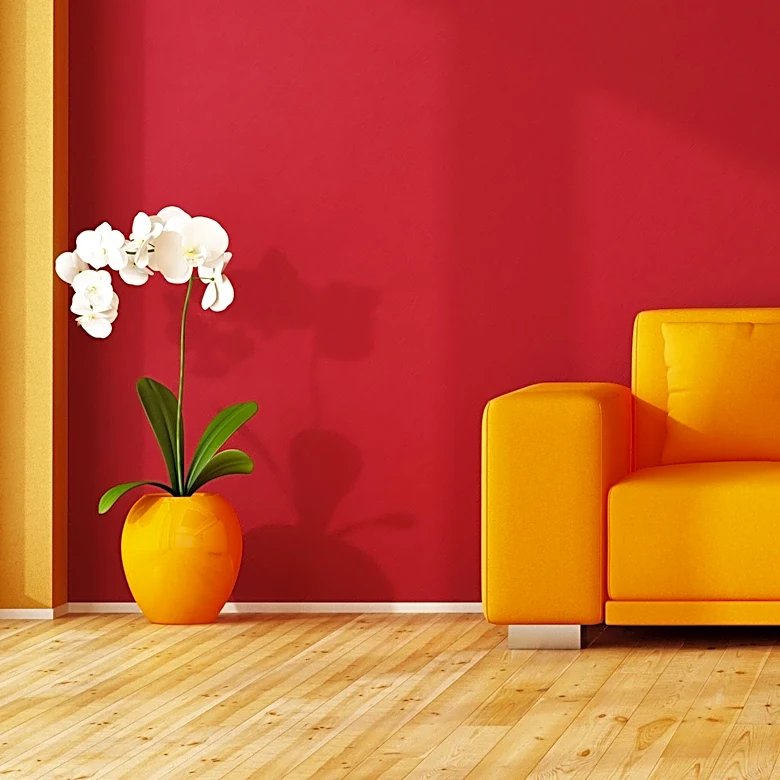
The use of natural shadows in product photography, particularly for homeware and lifestyle products, is gaining recognition for its ability to create more realistic and authentic images. Unlike artificial effects, natural shadows follow the product's
shape, position, and light source, adding depth and a sense of weight. This technique helps products appear grounded and three-dimensional, making them feel naturally connected to their surroundings. The consistency between highlights, reflections, and shadows in these images makes them feel more believable and less edited. This approach is especially beneficial for categories where customers want to visualize how products will look in their own homes, such as furniture, home décor, kitchenware, and other lifestyle items. The subtle yet impactful presence of natural shadows enhances the product without distracting from it, contributing to an overall polished and professional appearance.
Why It's Important?
This trend in product photography is important for U.S. businesses, especially in the e-commerce sector, as it directly impacts consumer trust and purchasing decisions. In an online shopping environment where customers cannot physically inspect products, realistic imagery is crucial. Natural shadows build trust by making product photos appear authentic, assuring buyers that the online representation accurately reflects the physical item. This increased confidence can lead to higher conversion rates and reduced returns for businesses selling homeware and lifestyle products. Companies that adopt this photographic approach stand to gain a competitive advantage by offering a more immersive and reliable shopping experience. Conversely, businesses that continue to use overly edited or unrealistic product images may lose out to competitors who prioritize authenticity and visual accuracy, potentially impacting their market share and brand reputation.
What's Next?
The emphasis on natural shadows is likely to become a standard practice in e-commerce product photography, particularly for homeware and lifestyle brands. Businesses will increasingly invest in professional shadow editing services to ensure consistent realism across their product catalogs. This could lead to a greater demand for skilled product photographers and photo editors specializing in natural lighting and shadow techniques. Furthermore, e-commerce platforms and online marketplaces may begin to favor listings with high-quality, realistic imagery, potentially influencing their ranking algorithms. Consumers can expect to see more authentic and visually appealing product photos, which will further elevate their expectations for online shopping experiences. This shift will likely drive innovation in photographic techniques and digital editing tools designed to replicate natural lighting conditions more effectively.
Beyond the Headlines
Beyond its immediate impact on sales and consumer confidence, the adoption of natural shadows in product photography reflects a broader cultural shift towards authenticity and transparency in marketing. In an age of digital manipulation, consumers are increasingly discerning and value genuine representations. This trend extends beyond homeware, influencing how products are presented across various industries. Ethically, it promotes a more honest portrayal of goods, reducing the potential for misrepresentation and enhancing consumer satisfaction. This subtle yet powerful visual cue contributes to a more trustworthy online marketplace, fostering a healthier relationship between brands and their customers. It also highlights the psychological impact of visual elements, demonstrating how even minor details like shadows can significantly influence perception and behavior.