






What's Happening?
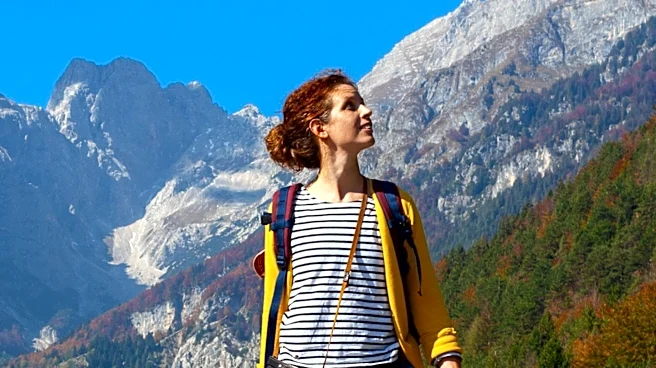
Solo travel is increasingly becoming a preferred vacation choice for individuals seeking greater freedom and personalized experiences. This trend is driven by the ability to choose one's own destinations, schedules, activities, and pace without the need
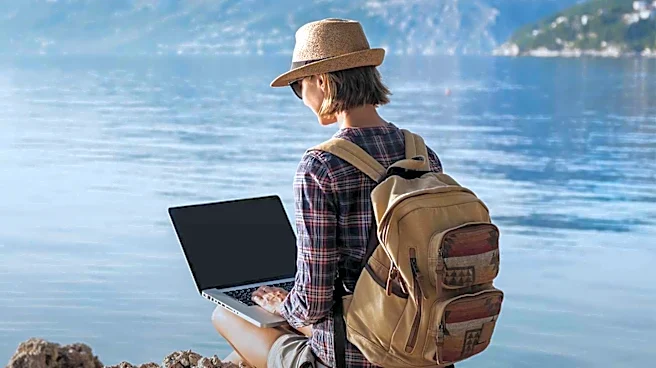
to coordinate with a group. The rise of digital technology has significantly facilitated solo journeys, making it easier to access transportation, accommodation, maps, and general travel information. This technological support allows travelers to store important documents digitally, communicate with contacts, and research destinations more effectively. While solo travel requires careful preparation, including budget planning and safety considerations, it offers a unique opportunity for self-discovery and personal growth. It also provides introverts with a chance to step out of their comfort zones and engage with new people, as highlighted by personal accounts.
Why It's Important?
The growing popularity of solo travel reflects a broader shift in consumer preferences towards individualized experiences and greater autonomy. For the U.S. travel and tourism industry, this trend presents both opportunities and challenges. Businesses that cater to solo travelers, such as specialized tour operators, accommodation providers offering single-occupancy options, and technology platforms for travel planning, stand to gain. The emphasis on flexibility and personal interest means that destinations and service providers need to offer diverse and customizable options. Furthermore, the increased reliance on digital tools for planning and navigation underscores the importance of robust technological infrastructure and digital literacy for travelers. This trend could also influence the design of public spaces and transportation, as more individuals travel independently, potentially leading to a demand for safer and more accessible solo-friendly environments.
What's Next?
As solo travel continues to grow, the travel industry is likely to further adapt its offerings to meet the specific needs of this demographic. This could include the development of more solo-friendly accommodation options, such as hostels with private rooms or boutique hotels designed for individual guests. Technology platforms will likely enhance features that support solo travelers, such as advanced safety tracking, localized recommendations, and community-building tools for connecting with other solo adventurers. Destinations may also invest in promoting activities and experiences that are well-suited for individuals, such as guided tours with small groups or wellness retreats. Additionally, there may be an increased focus on providing comprehensive safety information and resources tailored for solo travelers, particularly for women, to ensure a secure and enjoyable experience.
Beyond the Headlines
The rise of solo travel extends beyond mere tourism, touching upon deeper societal and psychological aspects. It signifies a cultural embrace of independence and self-reliance, challenging traditional notions of travel as a group activity. For many, solo journeys are a form of self-care and personal development, offering a space for introspection and the cultivation of new skills, such as problem-solving and adaptability. The ability to meet new people and engage with different cultures on one's own terms can foster a greater sense of global citizenship and empathy. However, it also highlights potential societal shifts, such as increasing individualism and a desire for unique, curated experiences over mass tourism. The ethical implications of solo travel also come into play, particularly concerning responsible tourism and minimizing environmental impact, as independent travelers often seek out less-trodden paths.