





What's Happening?
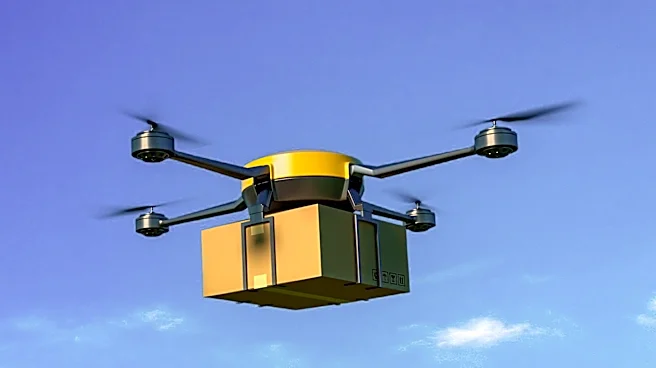
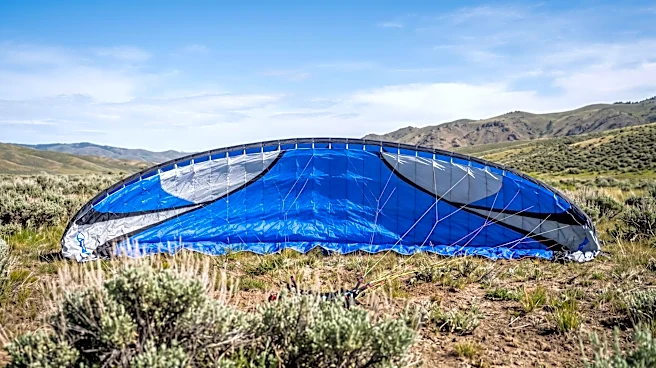
An Idaho paramotor pilot, Mike Cunningham, reported that an Amazon Prime Air delivery drone passed over his wing at approximately 30 feet off the ground while he was preparing to land. The incident was detailed in an Idaho News 6 report concerning Amazon's
drone operations in Canyon County. Amazon stated that its drones are equipped with detect-and-avoid systems capable of identifying other aircraft, including paragliders that do not carry transponders. The report did not specify the date or exact location of the encounter, nor the precise distance between the drone and the paramotor wing. Amazon has been operating MK30 drones from its Nampa fulfillment center since October 30. The city's permit findings for Amazon's operations include a no-fly zone around Nampa Municipal Airport and a detect-and-avoid system for various aircraft, though paragliders or ultralights were not explicitly mentioned in the initial findings, despite Amazon's FAA exemption requiring avoidance of known ultralight areas.
Why It's Important?
This reported incident raises significant safety concerns regarding the integration of commercial delivery drones into shared airspace, particularly with non-transponder-equipped aircraft like paramotors. A collision between an 83-pound drone and a paramotor wing could have catastrophic consequences for the pilot, as Cunningham noted it could lead to an unrecoverable spin. The incident highlights potential gaps in Amazon's detect-and-avoid systems or in the regulatory framework for drone operations in areas with diverse air traffic. It also underscores the challenge of ensuring comprehensive airspace awareness when some aircraft do not broadcast their positions. The FAA exemption requires Amazon to report close encounters (within 100 feet vertically and 500 feet horizontally) with manned aircraft within 24 hours, making it crucial to determine if this incident met those criteria and if a report was filed.
What's Next?
It remains unclear whether Mike Cunningham reported the encounter to Amazon or the FAA. Amazon's FAA exemption mandates reporting close encounters, and further investigation would be needed to determine if this incident qualifies and if Amazon complied with reporting requirements. Amazon has stated it works with local aviation groups to identify busy airspace, suggesting ongoing efforts to mitigate such risks. The FAA may need to review its regulations and Amazon's operational protocols, especially concerning interactions with ultralight aircraft. Public outreach and coordination with the broader aviation community, including paramotor and ultralight pilots, could become more critical for Amazon to ensure safe operations as its drone delivery services expand.
Beyond the Headlines
This event touches upon the broader societal challenge of integrating new technologies into existing environments and regulatory frameworks. The rapid advancement of drone technology for commercial purposes, while offering convenience, introduces complex safety and regulatory dilemmas. The incident highlights the limitations of current 'detect-and-avoid' technologies when dealing with diverse and unpredictable airspace users. It also brings to the forefront the debate about who bears the primary responsibility for airspace safety: the drone operator, the traditional aircraft pilot, or the regulatory bodies. As drone traffic increases, there will be growing pressure to develop more robust, universally applicable standards for airspace management, collision avoidance, and incident reporting to prevent potential tragedies and build public trust in drone operations. The ethical implications of prioritizing delivery efficiency over comprehensive safety for all airspace users will also likely be a subject of ongoing discussion.