



What's Happening?
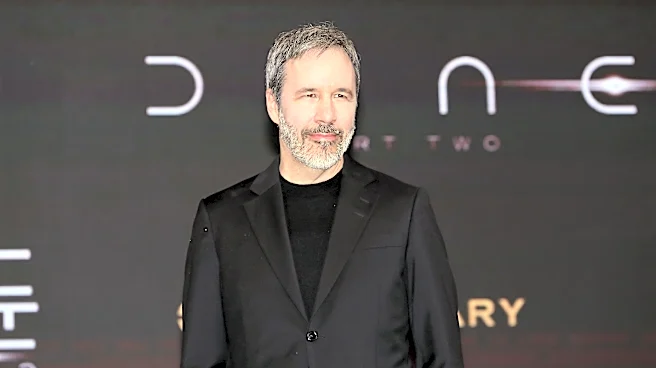
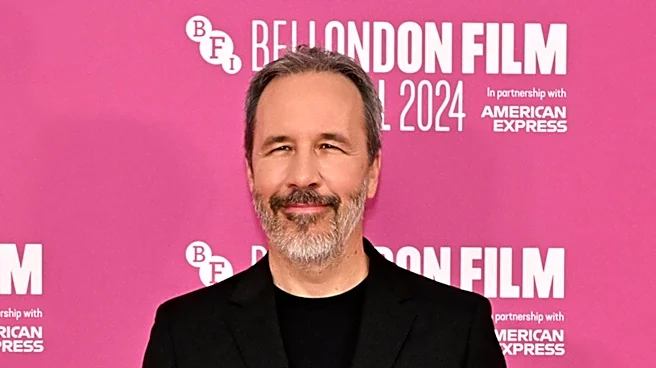
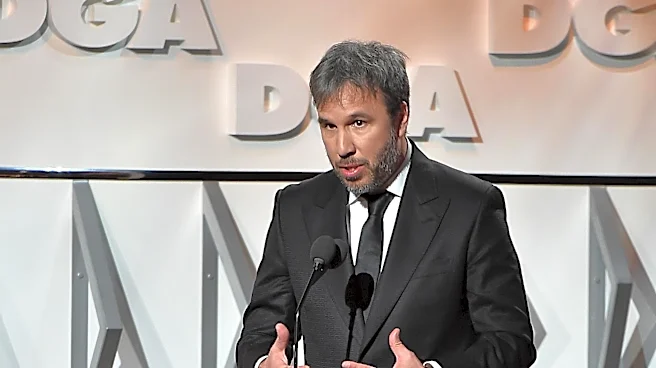
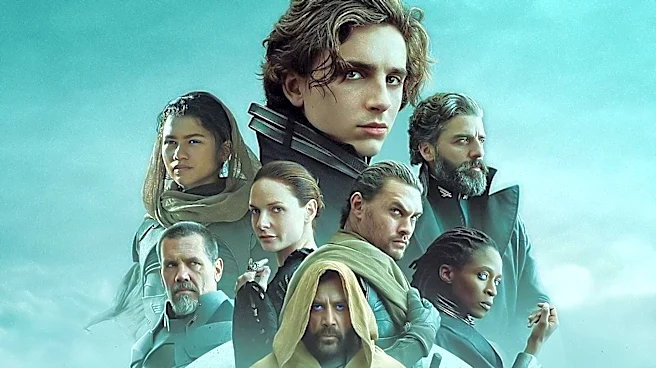
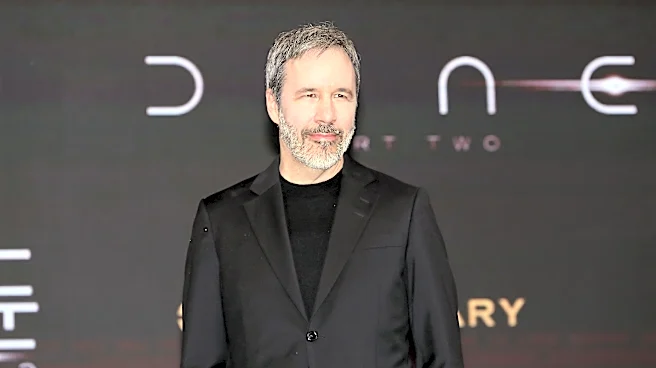
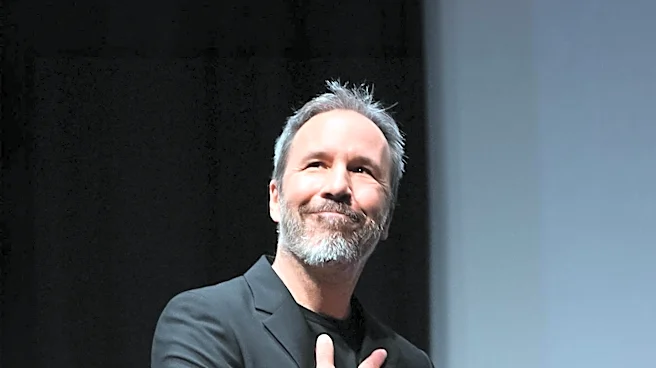
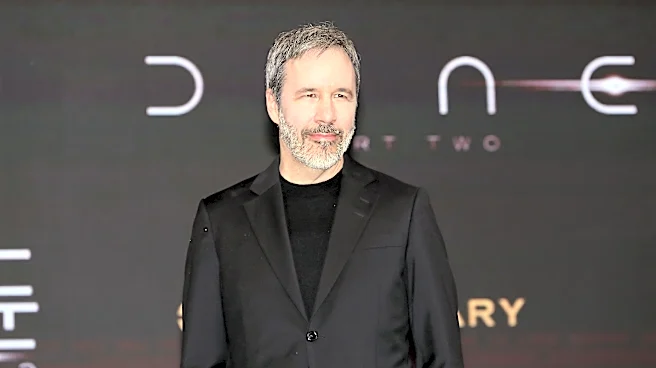
Director Denis Villeneuve has clarified his approach to adapting Frank Herbert's 'Dune Messiah' for the upcoming film 'Dune: Part 3,' stating that his primary goal is to create a compelling cinematic experience rather than a literal translation of the source
material. Villeneuve explained that he views adaptation as a transformative process, asserting, 'When you adapt, you kill. It is not the book. It is my movie inspired by the book, with tremendous respect.' He acknowledged that his previous 'Dune' films have drawn criticism from 'book purists' for alterations and omissions from Herbert's novels. However, Villeneuve emphasized that 'Dune Messiah' itself is a 'complex, paranoid book' that was not universally welcomed by original 'Dune' readers and presented significant challenges for adaptation due to its 'chamber piece' nature, largely consisting of characters meeting and talking. He cited the film's 15-minute opening battle, which is only a single sentence in the book, as an example of his free adaptation style, leading him to title the film 'Dune: Part 3' instead of 'Dune Messiah' to reflect this creative liberty. The film is set to premiere on December 18, 2026.
Why It's Important?
Villeneuve's stance on adaptation is significant for the film industry, particularly in an era where major franchises often face intense scrutiny from dedicated fanbases regarding fidelity to source material. His assertion that a film adaptation is inherently a new creation, 'inspired by the book' rather than a direct replication, challenges the expectation of strict adherence to original texts. This perspective could influence how other filmmakers approach adaptations of popular literary works, potentially encouraging more creative interpretations rather than rigid adherence. For audiences, it sets expectations for 'Dune: Part 3,' signaling that the film will continue Villeneuve's distinct vision of the 'Dune' universe, which prioritizes cinematic impact and specific thematic angles, such as the Bene Gesserit perspective, over including every detail from the books. This approach aims to create a cohesive and engaging film trilogy, even if it means diverging from certain elements beloved by book purists, ultimately shaping the narrative and visual identity of one of science fiction's most iconic sagas on screen.
What's Next?
As 'Dune: Part 3' approaches its December 18, 2026 premiere, the discourse surrounding its adaptation choices is likely to intensify. Audiences and critics will closely evaluate how Villeneuve's 'free adaptation' translates to the screen, particularly in its portrayal of key events and characters from 'Dune Messiah.' The film's box office performance and critical reception will serve as a barometer for the success of his creative liberties. Furthermore, Villeneuve's comments may spark broader industry conversations about the balance between artistic interpretation and fan expectations in adaptations, potentially influencing future projects based on established intellectual properties. The release will also mark the conclusion of Villeneuve's 'Dune' trilogy, and its reception will solidify his legacy within the science fiction genre and as an adapter of complex literary works. The film's release date also places it in direct competition with 'Avengers: Doomsday,' creating a significant cinematic event that will draw considerable attention.
Beyond the Headlines
Villeneuve's philosophy, 'When you adapt, you kill,' delves into the fundamental nature of artistic transformation. It highlights the inherent differences between literary and cinematic storytelling, where a book's internal monologues and detailed exposition must be translated into visual narrative, dialogue, and action. This perspective raises questions about authorship and interpretation: to what extent does an adaptation become a new work, distinct from its source? Ethically, it touches upon the responsibility of an adapter to the original creator's vision versus their own artistic integrity. Legally, while adaptations typically require rights acquisition, the creative freedom exercised within those rights can be a point of contention. Culturally, this debate reflects a broader tension between preserving established narratives and fostering new artistic expressions, particularly in a media landscape dominated by adaptations and reboots. Villeneuve's approach suggests a bold assertion of the filmmaker's role as an interpreter and creator, rather than merely a translator, potentially setting a precedent for how future generations of filmmakers engage with beloved stories.