





What's Happening?
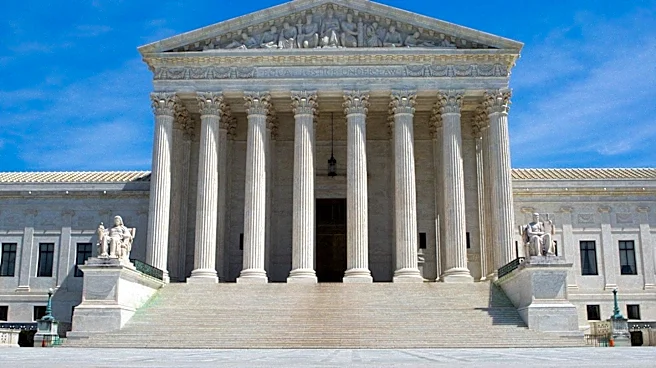
The U.S. Supreme Court has agreed to hear Robinhood Markets' appeal in an investor lawsuit concerning its $2.1 billion initial public offering (IPO) in July 2021. Investors allege that Robinhood failed to disclose weakening trading activity and customer
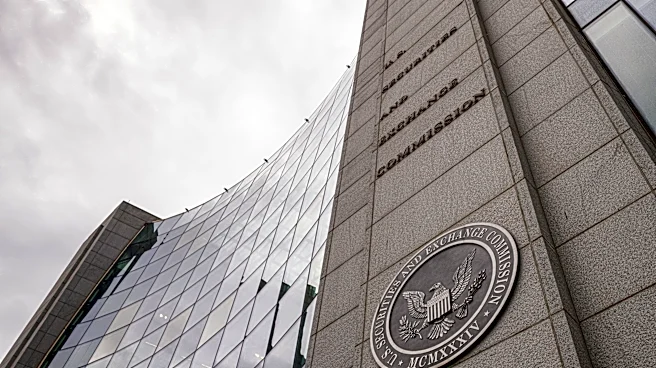
trends prior to its IPO. They claim the company became overly reliant on speculative trading in assets like GameStop shares and Dogecoin, even as the 'meme stock' frenzy subsided and traditional customers departed the platform. These alleged omissions, investors argue, contributed to a sharp decline in Robinhood's share price post-IPO. Robinhood, which priced its IPO at $38 per share, denies wrongdoing, asserting that its offering documents warned investors about potential declines in trading activity from the unusually high levels of early 2021. A federal judge initially dismissed the lawsuit in January 2024, but the 9th U.S. Circuit Court of Appeals revived part of the case in August 2025, leading to Robinhood's appeal to the Supreme Court. The White House and the Securities and Exchange Commission supported Robinhood's request for Supreme Court review.
Why It's Important?
This Supreme Court review is significant for Robinhood and the broader financial industry, as it will address whether companies can be held liable for omitting material financial information from IPO registration documents without explicitly proving that the omission made an existing statement misleading. The outcome could redefine the scope of disclosure requirements for companies going public and impact investor protection laws. For Robinhood, the lawsuit brings renewed scrutiny to its business practices, particularly as its cryptocurrency trading volumes have recently declined. The case highlights the challenges faced by fintech companies that experience rapid growth fueled by speculative market trends, and the subsequent legal and reputational risks when those trends reverse. A ruling against Robinhood could set a precedent for increased corporate liability in IPOs, potentially leading to more stringent disclosure standards and greater legal risks for companies entering public markets.
What's Next?
The Supreme Court will hear arguments in the case, with a decision expected by the end of June 2027. This legal process will determine the extent of Robinhood's liability, if any, regarding its IPO disclosures. In the interim, Robinhood continues to operate and expand its services beyond traditional stock trading, as evidenced by its growing activity in prediction markets and record third-quarter revenue. However, the ongoing lawsuit and the broader selloff in cryptocurrency-related stocks, which has seen Bitcoin fall below $70,000, will likely keep Robinhood under investor scrutiny. The company's ability to diversify its revenue streams and demonstrate sustainable growth will be crucial as it navigates these legal and market challenges.
Beyond the Headlines
The Supreme Court's decision will have far-reaching implications for corporate governance and investor confidence in public markets. It touches upon the delicate balance between a company's obligation to disclose material information and the inherent risks associated with investing in rapidly evolving industries. The case also reflects the ongoing debate about the responsibilities of online trading platforms during periods of speculative market activity, such as the 'meme stock' phenomenon. Beyond the legal aspects, the lawsuit underscores the importance of transparent and comprehensive financial reporting, particularly for companies that rely heavily on retail investor engagement. The outcome could influence how future IPOs are structured and how companies communicate their financial health and market risks to potential investors, potentially leading to a re-evaluation of disclosure practices across the financial technology sector.