







What's Happening?
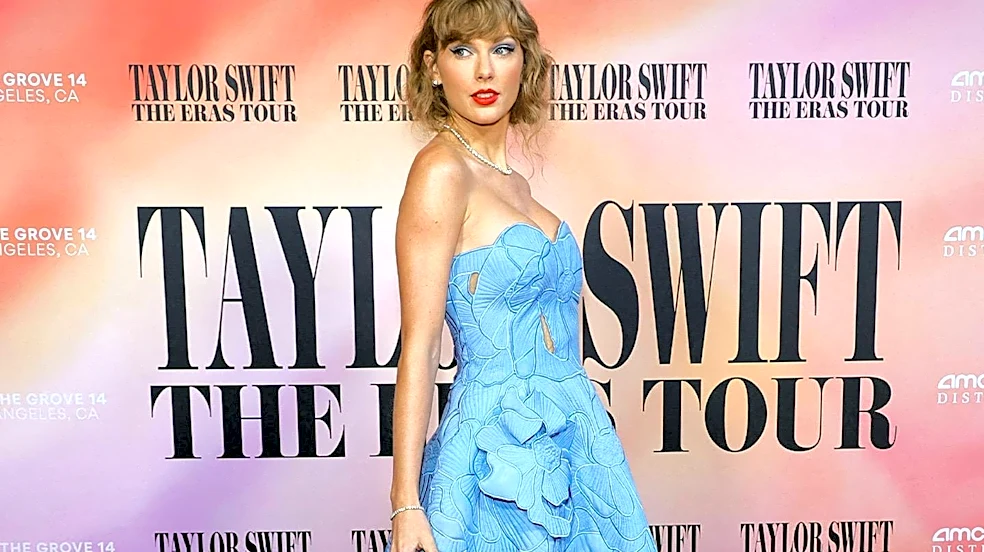
Ticketmaster's Verified Fan presale system has come under significant scrutiny, particularly after the November 2022 presale for Taylor Swift's Eras Tour. The company reported receiving 3.5 billion system requests, four times its previous peak, with approximately
15% of interactions experiencing issues due to bot attacks and fans without codes. Despite selling over 2 million tickets on November 15, a record for any artist in a single day, the general public sale was ultimately canceled due to 'extraordinarily high demands on ticketing systems and insufficient remaining ticket inventory.' This incident highlighted the challenges of managing high-demand presales, where over 3.5 million people pre-registered, and only about 1.5 million received codes for 52 show dates, leaving 2 million on a waiting list. The system's design involves a waiting room that admits users at a fixed rate and atomic seat holds with a time-to-live (TTL) in Redis to manage inventory.
Why It's Important?
The issues encountered during the Taylor Swift Eras Tour presale underscore broader problems within the live entertainment ticketing industry, particularly concerning market concentration and the efficacy of presale systems. The incident led to congressional oversight, with the Senate Judiciary Committee holding a hearing in January 2023 to question fees, market concentration, and the management of high-demand on-sales. This scrutiny reflects growing public and regulatory concern over ticket pricing, accessibility, and the fairness of distribution. The reliance on presales, often exclusive to fan club members, credit card holders, or registered users, means that a significant portion of tickets are sold before the general public sale, often leaving less desirable seats or higher-priced tiers for the broader market. This practice can create an uneven playing field, where dedicated fans or those with specific affiliations gain preferential access, while others struggle to secure tickets at face value.
What's Next?
In response to ongoing issues, the Federal Trade Commission finalized a rule in late 2024 requiring ticket sellers to display total prices, including all fees, upfront. This aims to increase transparency and make price comparisons easier for consumers. However, this rule does not address the underlying issues of market concentration or the challenges of managing high-demand sales. Ticketmaster and other ticketing platforms will likely continue to refine their presale technologies, such as the Verified Fan program, to combat bots and scalpers, and to manage system loads during peak demand. The ongoing legal challenges, including a lawsuit filed by the Justice Department and state attorneys general against Live Nation Entertainment in May 2024 alleging an illegal monopoly, could lead to significant structural changes in the live entertainment industry. These developments could influence how tickets are sold, potentially leading to new regulations or increased competition in the market.
Beyond the Headlines
The complexities of ticket presales extend beyond technical challenges and regulatory oversight, touching upon the evolving economics of the music industry. With streaming replacing album sales as the primary revenue source for artists, touring has become crucial for their income. This shift incentivizes artists and their teams to price shows closer to market demand, often through higher base prices, premium seat tiers, and VIP packages. The current system, characterized by multiple presale windows and dynamic pricing, reflects a strategic effort to maximize revenue and reward loyal fans, but it also creates a perception of unfairness and inaccessibility for many. The debate over ticket pricing and distribution highlights a tension between maximizing artist revenue and ensuring equitable access for fans, raising ethical questions about who benefits most from the current ticketing ecosystem and the long-term impact on fan engagement and loyalty.