








What's Happening?
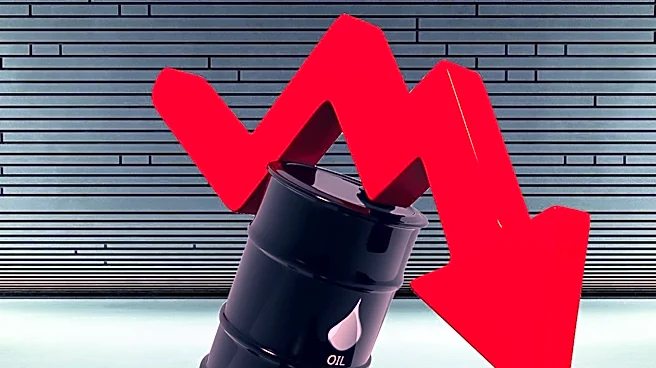
David Fyfe, Chief Economist at Argus, has highlighted concerns regarding the limited effectiveness of strategic oil reserves in providing long-term relief from rising energy prices. Fyfe points out that while these reserves can offer temporary respite,
they do not address underlying supply risks and potential changes in demand, particularly from China. The situation is further complicated by the U.S.'s ongoing military actions against Iran, which threaten existing ceasefire agreements and could exacerbate supply disruptions. Rising energy prices are a significant concern as they have the potential to fuel inflation, complicating the economic outlook for central banks tasked with managing monetary policy.
Why It's Important?
The reliance on strategic oil reserves as a stopgap measure underscores the vulnerability of global energy markets to geopolitical tensions and supply chain disruptions. Rising energy prices can lead to increased inflation, affecting consumer purchasing power and economic stability. For the U.S., this situation poses a challenge for central banks, which must balance inflation control with economic growth. The potential for increased demand from China adds another layer of complexity, as it could drive prices higher, impacting industries reliant on energy inputs. The geopolitical dimension, particularly the U.S.'s actions in Iran, highlights the interconnectedness of energy policy and international relations.
What's Next?
As the situation develops, stakeholders will likely monitor the U.S.'s military engagements and their impact on oil supply stability. Central banks may need to adjust monetary policies to address inflationary pressures, potentially affecting interest rates and economic growth. Energy-dependent industries might seek alternative strategies to mitigate cost increases, such as investing in renewable energy sources or improving energy efficiency. The international community may also push for diplomatic solutions to reduce geopolitical tensions and stabilize energy markets.