




What's Happening?
Miami Art Week 2026 is set to feature a diverse array of events, blending high art with corporate engagement and innovative cultural experiences. Highlights include Work of Art Holdings and HarbourView Equity Partners honoring Chaka Khan with a musical
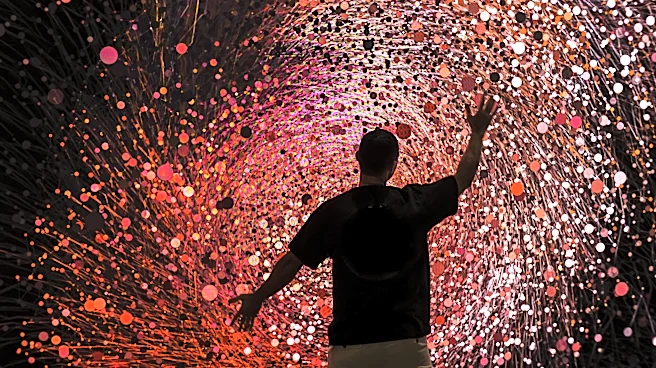
tribute and a commissioned portrait by Mickalene Thomas. Pantone will launch its Color of the Year 2027 experience, featuring immersive installations. Airbnb continues its partnership with Art Basel, offering exclusive director-led tours and supporting emerging artists through grants. Creative Time, in collaboration with The Miami Beach EDITION, will host an irreverent Sandcastle Competition, challenging traditional art exhibition norms. LVMH The Studio Miami will return, bringing together artists, collectors, and luxury executives, while Faena Art and Chase Sapphire Reserve will present large-scale public installations, including Christopher Joshua Benton's massive disco ball interpretation.
Why It's Important?
Miami Art Week serves as a significant cultural and economic event, transforming Miami into a global hub for art, commerce, and social discourse. The involvement of major corporations like HarbourView Equity Partners, Pantone, Airbnb, LVMH, and Chase Sapphire Reserve underscores the growing trend of brands leveraging art and culture to build 'cultural capital' and connect with consumers on a deeper level. This convergence of art and business not only provides substantial funding and exposure for artists but also shapes public perception of luxury, creativity, and cultural influence. The diverse range of experiences, from traditional exhibitions to ephemeral sandcastles and interactive installations, reflects evolving definitions of art and how it is consumed, making it a crucial barometer for contemporary cultural trends and market dynamics.
What's Next?
The continued evolution of Miami Art Week suggests a future where art events increasingly integrate commercial interests with artistic expression. We can anticipate more collaborations between artists and corporations, leading to innovative funding models and broader public access to art. The emphasis on immersive and experiential art will likely grow, as brands seek to create memorable engagements that resonate beyond traditional gallery settings. Discussions around the commercialization of art and the role of corporate patrons will also continue, prompting conversations about artistic integrity versus market demands. Future editions may see even greater technological integration, such as augmented reality or AI-driven art experiences, further blurring the lines between physical and digital art forms.
Beyond the Headlines
Miami Art Week's blend of high art and corporate sponsorship raises deeper questions about the commodification of culture and the shifting landscape of artistic patronage. While corporate involvement provides vital financial support and wider reach for artists, it also influences artistic direction and accessibility. The event highlights how luxury brands are moving beyond traditional advertising to become cultural arbiters, shaping tastes and desires. The ephemeral nature of some installations, like the sandcastle competition, challenges the permanence often associated with art, prompting reflection on value, memory, and the transient nature of creative expression. Ultimately, Miami Art Week serves as a microcosm for broader societal trends, where art, commerce, and cultural identity are intricately intertwined, constantly redefining what it means to create, consume, and experience art in the 21st century.