





What's Happening?
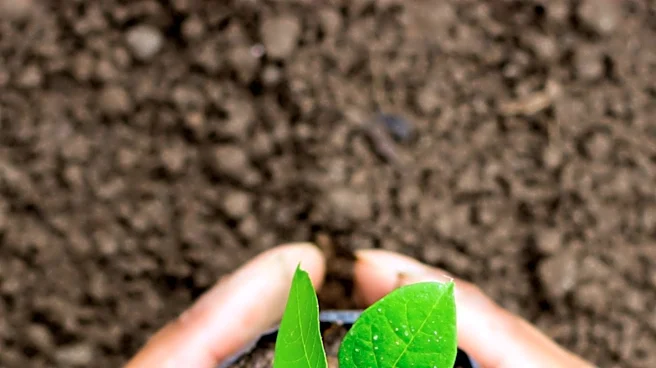
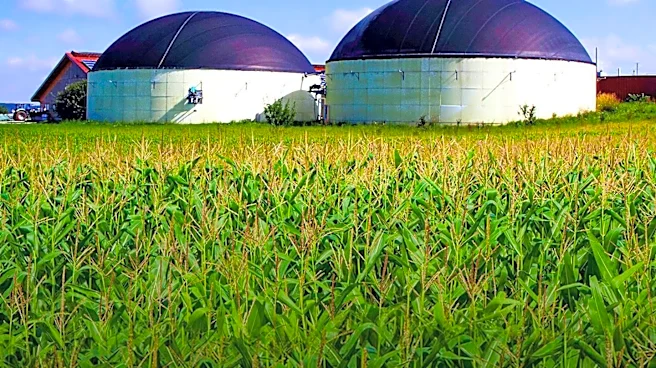
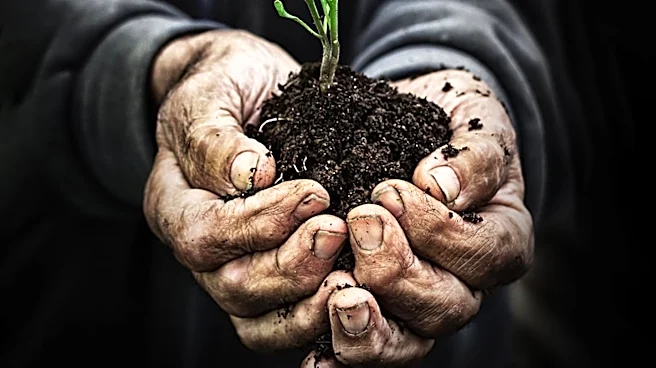
PepsiCo has announced significant advancements in its 2030 Positive Agriculture (pep+) goals, focusing on scaling regenerative agriculture, restorative and protective practices, and sustainable sourcing. The company has expanded these practices to 4.7
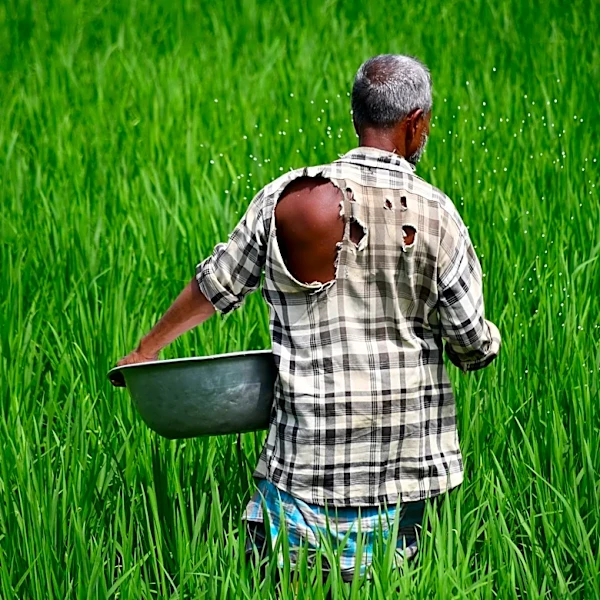
million acres globally, aiming to reach 10 million acres by 2030. PepsiCo's efforts are supported by its Sustainable Sourcing Guidelines and Sustainable Farming Program, which help farmers adopt environmentally friendly practices. Since 2021, PepsiCo has supported approximately 224,000 people in its agricultural supply chains, nearing its goal to positively impact over 250,000 livelihoods by 2030. Key initiatives include collaborations with other large food and beverage companies to strengthen farmer-facing organizations and provide technical assistance.
Why It's Important?
PepsiCo's progress in sustainable agriculture is crucial for enhancing environmental performance and long-term agricultural resilience. By advancing regenerative practices, the company is contributing to a more sustainable food system, which is vital for addressing global challenges such as climate change and food security. The initiative not only benefits the environment but also supports economic prosperity for farmers and farm workers, potentially transforming agricultural communities worldwide. PepsiCo's commitment to sustainable sourcing and improving livelihoods aligns with broader industry trends towards sustainability and corporate responsibility, setting a precedent for other companies to follow.
What's Next?
Looking ahead, PepsiCo plans to deepen its positive impact in farming communities by focusing on building resilience in farmers, communities, soil, climate, biodiversity, and watersheds. The company aims to embed impact across its positive agriculture initiatives to drive sustained, scalable outcomes. PepsiCo will continue to enhance traceability, leverage technology, and strengthen collaborations to achieve its 2030 goals. The company will report on its progress as part of its pep+ strategy, with a focus on deforestation and other core aspects of its Positive Agriculture agenda.