


What's Happening?
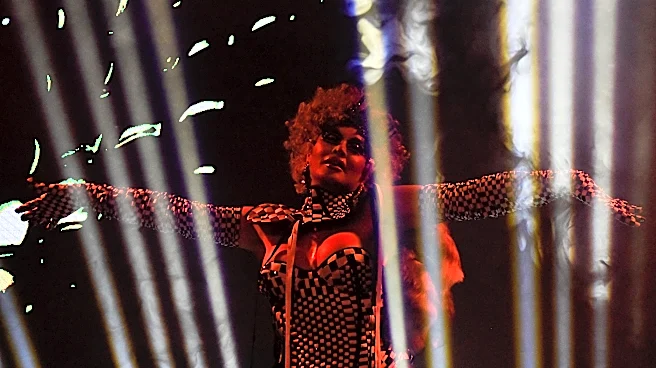
In the sixth episode of the second season of 'All's Fair,' titled 'Queens,' creator Ryan Murphy directly addresses criticisms and parodies his own series. The episode uses the distorted perception of a new Human Resources head, Reese, who sees the firm's
lawyers as drag queens, amplifying their absurd traits. This narrative device allows the writers to voice grievances about social media and entertainment press opinions. The episode features guest appearances, including Bob the Drag Queen, and explores generational conflicts between Reese's generation, which identifies abusive workplace behavior, and the older generation of lawyers who survived such environments. The plot also includes a charity party to restore the firm's image after a shooting, a divorce case involving returning client Milan, and Dina, a character in a coma, telepathically communicating. The episode culminates in a dramatic speech by Carrington Lane, imagined by Reese, attacking the younger generation.
Why It's Important?
This episode is significant as it represents a direct, unfiltered response from a prominent show creator to public and critical reception. By parodying his own work and addressing criticisms within the narrative, Ryan Murphy engages in a meta-commentary on the entertainment industry's relationship with its audience and critics. The episode's exploration of generational conflict in the workplace, particularly regarding abusive behaviors and power dynamics, reflects broader societal discussions about corporate culture and accountability. The use of drag queens as a narrative device also highlights the show's existing theatricality and pushes boundaries in how femininity and power are portrayed in media. This approach could influence how other creators choose to engage with criticism, potentially leading to more self-aware or reactive storytelling in television.
What's Next?
The episode's approach may spark further discussion among viewers and critics about the efficacy and intent of creators responding to feedback within their own narratives. Future episodes of 'All's Fair' might continue this self-referential style or explore the themes of generational conflict and workplace dynamics in more depth. The show's willingness to engage with its own perceived absurdities could set a precedent for how it evolves, potentially leading to more experimental storytelling or a continued focus on meta-narratives. The strong reactions, both positive and negative, to this episode could also influence audience engagement and critical discourse around Ryan Murphy's future projects, as viewers may anticipate similar direct responses to external commentary.
Beyond the Headlines
Beyond its immediate narrative, 'Queens' delves into deeper implications regarding the nature of humor, criticism, and artistic expression. The episode blurs the line between self-awareness and using humor as a defense mechanism against critics, raising questions about the ethical boundaries of creative responses to public opinion. The portrayal of female empowerment, a theme often associated with the series, is complicated by the episode's perceived cruelty towards its own characters and actresses, turning them into instruments of a resentful response. This challenges the audience to consider whether humor that attacks its subjects, even in parody, can still be considered effective or responsible. The episode also highlights the ongoing tension between creators' artistic vision and audience expectations, revealing the frustrations that can arise when these two perspectives clash.