




What's Happening?
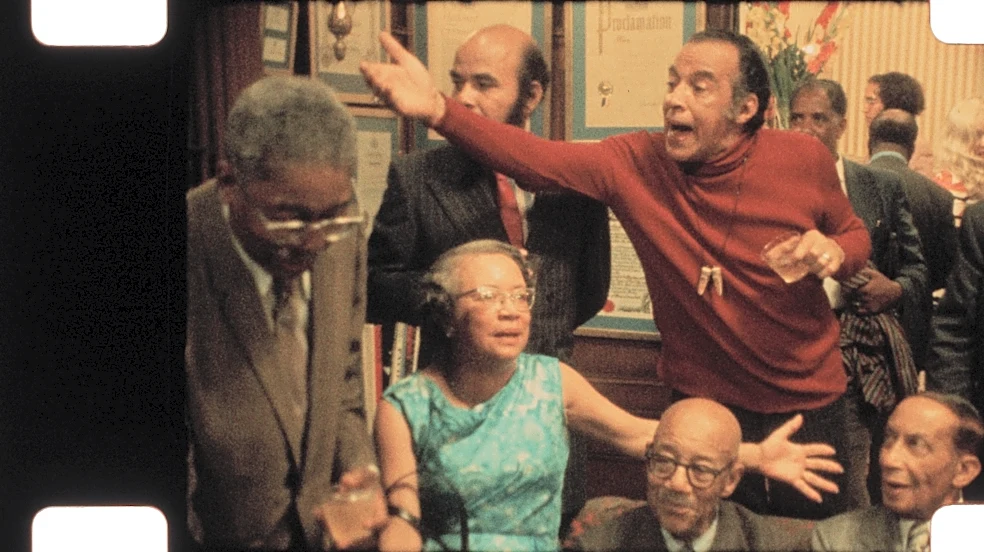
A new documentary titled 'Once Upon a Time in Harlem' is set to release, featuring previously unseen footage from a 1972 cocktail party hosted by filmmaker William Greaves at Duke Ellington's townhouse. Greaves invited surviving members of the Harlem Renaissance,
the significant blossoming of African-American artistic and intellectual life from after World War I to the mid-1930s. Although Greaves filmed the event, he never completed the movie. Fifty years later, his son, David Greaves, who was one of the cameramen at the party, took the footage and finished the documentary. The film captures intimate conversations and interactions among legends such as musician Eubie Blake, painter Aaron Douglas, poet Arna Bontemps, and photographer James Van Der Zee, offering a unique glimpse into their personalities and perspectives.
Why It's Important?
This documentary is important as it provides a rare and invaluable historical record of a pivotal cultural movement in American history. The Harlem Renaissance was a period of immense creativity and intellectual output that profoundly shaped African-American identity and contributed significantly to the broader American cultural landscape. By showcasing the personal stories, debates, and camaraderie of its surviving figures, the film offers a deeper understanding of their contributions and the challenges they faced. It highlights discussions on identity, art, and social responsibility that remain relevant today, such as whether Black artists should identify as 'Black Artists' or simply 'artists.' The film serves as a powerful educational tool, preserving the legacy of these influential figures and offering insights into the complexities of their era.
Beyond the Headlines
Beyond its historical significance, 'Once Upon a Time in Harlem' delves into the ethical and cultural dimensions of artistic representation and historical memory. The film's creation, decades after the original footage was shot, raises questions about the stewardship of cultural archives and the evolving interpretations of historical events. It also subtly explores the enduring impact of systemic racism, as evidenced by anecdotes like Bill 'Bojangles' Robinson's encounter with Charles Lindbergh. The documentary's focus on the 'big egos and big opinions' of these distinguished individuals underscores the human element behind monumental cultural shifts, reminding viewers that historical figures were complex individuals with their own struggles and triumphs. The film's ability to 'pull along' viewers into the vibrant world of the Harlem Renaissance speaks to its power to connect contemporary audiences with a crucial past.