




What's Happening?
The Los Angeles office market is undergoing a significant transformation, moving beyond simply awaiting a return to pre-pandemic demand. Landlords, developers, and investors are now focused on redefining what demand looks like, as tenants have become
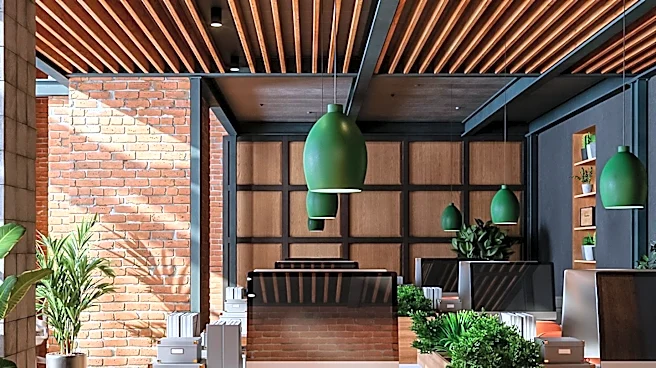
increasingly selective. This shift necessitates a reevaluation of asset positioning and the overall workplace experience. Industry leaders are convening to discuss strategies for attracting tenants, increasing occupancy, and future-proofing office portfolios in an environment characterized by a 'flight-to-quality' and an emphasis on experience. Key discussions revolve around identifying active leasing industries and tenant types, understanding what tenants prioritize in 2026, and how leading firms are repositioning assets to remain competitive. The market is currently tenant-favorable, leading to evolving leasing strategies, concessions, and deal structures. Capital improvements are being scrutinized for their measurable return on investment in leasing activity, and there's a growing focus on incorporating flexible space, coworking options, and hybrid infrastructure into portfolios. The conversation also includes when it makes sense to reposition, recapitalize, or convert office assets, and how workplace design, branding, and tenant experience contribute to retention and long-term value.
Why It's Important?
This redefinition of the Los Angeles office market holds significant implications for the broader U.S. commercial real estate sector. The trend of increased tenant selectivity and the 'flight-to-quality' observed in Los Angeles are indicative of a nationwide shift in how businesses view and utilize office space post-COVID-19. This means that older, less amenity-rich buildings may struggle to attract and retain tenants, leading to potential devaluation and increased vacancy rates. Conversely, properties that invest in modern design, flexible layouts, and enhanced tenant experiences are likely to see higher demand and better returns. The emphasis on hybrid work models and the integration of flexible spaces will likely become standard expectations, pushing landlords across the country to adapt their offerings. This dynamic could lead to a bifurcation of the office market, where premium, experience-driven spaces thrive, while outdated properties face significant challenges, potentially requiring conversions to other asset types or substantial capital infusions to remain viable. Investors and developers who understand and adapt to these evolving tenant priorities will be better positioned for success, while those who do not risk significant financial losses.
What's Next?
Looking ahead, the Los Angeles office market is expected to continue its evolution with a strong emphasis on tenant-centric strategies. Landlords and developers will likely increase their investments in capital improvements that directly enhance the tenant experience and offer measurable ROI in leasing activity. This includes upgrading amenities, improving building infrastructure, and incorporating advanced technology to support hybrid work. The trend of repositioning and recapitalizing assets will accelerate, with some older office buildings potentially being converted for alternative uses such as residential or mixed-use developments. Leasing strategies will become even more flexible, offering a wider range of concessions and deal structures to attract and retain tenants. Furthermore, the integration of flexible space and coworking options will become a standard component of office portfolios, catering to the diverse needs of modern businesses. The focus on workplace design, branding, and tenant experience will intensify, as these factors become crucial differentiators in a competitive market. Industry events and summits will continue to play a vital role in sharing best practices and insights, guiding stakeholders through this transformative period.
Beyond the Headlines
The ongoing transformation of the Los Angeles office market reflects a deeper societal shift in work culture and employee expectations. Beyond the immediate financial implications, this trend highlights the increasing importance of employee well-being, flexibility, and a sense of community within the workplace. The 'flight-to-quality' isn't just about better aesthetics; it's about creating environments that foster productivity, collaboration, and employee satisfaction in a hybrid world. This could lead to a re-evaluation of urban planning, with a greater emphasis on mixed-use developments that integrate living, working, and leisure spaces to reduce commute times and enhance quality of life. The ethical dimension arises in ensuring that this 'flight-to-quality' doesn't exacerbate inequalities, leaving behind older, less desirable office spaces and potentially impacting the businesses and communities that rely on them. The long-term shift could see office buildings becoming more akin to hospitality venues, offering a curated experience rather than just a workspace, fundamentally altering the relationship between employees and their physical work environment.