




What's Happening?
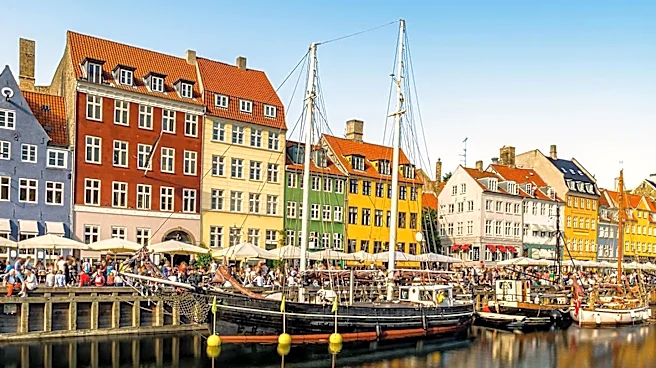
Copenhagen, the capital of Denmark, is consistently ranked among the world's happiest and most livable cities. It is characterized by its design-led aesthetic, colorful harbors, extensive cycle lanes, royal palaces, and innovative culinary scene. The
city embodies the Danish concept of 'hygge,' which translates to cozy contentment, evident in its cafes, design stores, and candle-lit restaurants. Copenhagen is noted for being compact, clean, and environmentally conscious, making it easily navigable, particularly by bicycle. While Danish is the official language, English is widely spoken, contributing to its welcoming atmosphere for visitors. Key attractions include the Little Mermaid statue, the vibrant Nyhavn harbor, the historic Tivoli Gardens amusement park, and various royal palaces. The city's transportation infrastructure is modern, featuring a driverless metro, trains, and buses, with Copenhagen Airport (CPH) serving as a major Scandinavian hub just 15 minutes from the city center. Additionally, the Oresund Bridge provides a direct train link to Malmo, Sweden.
Why It's Important?
Copenhagen's consistent recognition for livability and sustainability offers a model for urban development and quality of life that could influence U.S. cities. The city's emphasis on cycling infrastructure, public transport, and green spaces demonstrates successful strategies for reducing urban congestion and environmental impact, which are significant challenges in many American metropolitan areas. Its high rankings in happiness and livability suggest that investments in public amenities, cultural experiences, and efficient urban planning contribute to resident well-being and economic vitality. For U.S. urban planners and policymakers, Copenhagen's approach highlights the potential benefits of prioritizing pedestrian and cyclist-friendly environments, integrating historical preservation with modern design, and fostering a strong sense of community. The city's success in attracting tourism and maintaining a high quality of life could inspire similar initiatives aimed at enhancing urban appeal and sustainability across the United States.
What's Next?
Copenhagen is expected to continue its trajectory as a leading example of sustainable and livable urban environments. The city's ongoing commitment to green initiatives and innovative urban planning will likely further solidify its reputation. Future developments may include continued expansion of its cycling networks, enhancements to public transportation, and further integration of sustainable practices into daily life and infrastructure projects. Other cities globally, including those in the U.S., may look to Copenhagen for best practices in areas such as urban design, environmental policy, and social well-being. The city's ability to blend historical charm with modern innovation suggests a continuous evolution in its offerings for both residents and tourists, potentially leading to new cultural attractions and culinary experiences. Its role as a major Scandinavian hub also indicates continued growth in international connectivity and influence.
Beyond the Headlines
Beyond its immediate appeal, Copenhagen's success reflects a deeper cultural and societal commitment to 'hygge' and collective well-being, which has profound implications for urban planning and social policy. The city's design-led approach extends beyond aesthetics to functional and sustainable living, fostering a sense of community and contentment. This holistic view of urban development, where quality of life is prioritized alongside economic growth, challenges conventional models that often separate these aspects. For U.S. society, Copenhagen's example raises questions about the long-term benefits of investing in public spaces, sustainable infrastructure, and cultural amenities as drivers of both individual happiness and societal resilience. The widespread adoption of cycling, for instance, is not merely a transportation choice but a reflection of a broader lifestyle that values health, environment, and community interaction, offering a potential blueprint for fostering similar values in American cities.