







What's Happening?
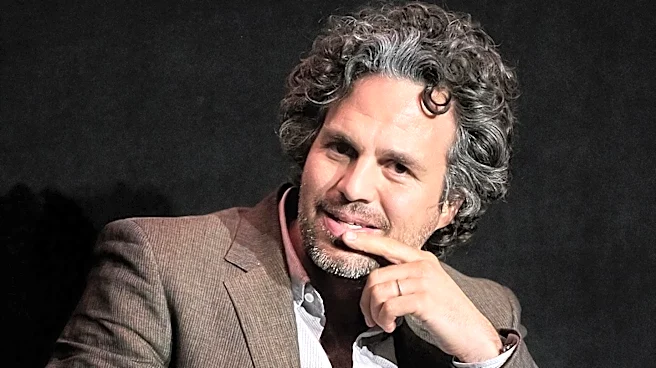
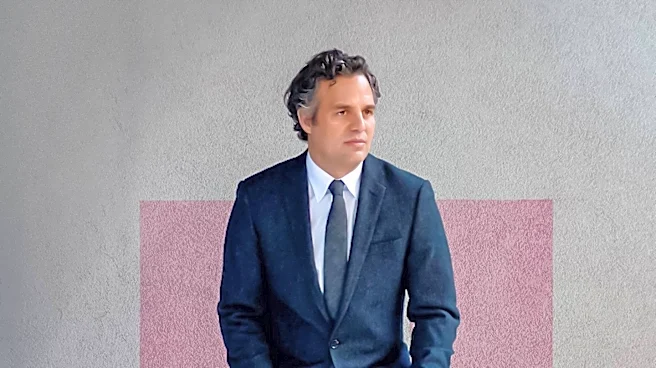
Actor Mark Ruffalo plays Joseph A. Califano Jr., an official in charge of enforcing Section 504 of the 1973 Rehabilitation Act, in the film 'Being Heumann.' The movie chronicles a 26-day sit-in in 1977 in San Francisco, where over a hundred disability
rights activists, led by Judith Heumann, demanded the enforcement of Section 504. This act prohibits discrimination and guarantees access for people with disabilities but had not been enforced since its passage in 1972. Ruffalo's character is depicted as avoiding meetings with the activists during their protest within a government building. The film, directed by Sian Heder, is based on Heumann's 2020 memoir and highlights the importance of protests and community solidarity in the fight for disability rights.
Why It's Important?
The film 'Being Heumann' sheds light on a pivotal moment in U.S. disability rights history, illustrating the persistent struggle required to enact and enforce landmark legislation like Section 504. Mark Ruffalo's portrayal of Joseph A. Califano Jr. underscores the bureaucratic resistance and challenges faced by activists. This historical context is crucial for understanding the evolution of disability rights in the U.S. and the ongoing efforts to ensure accessibility and non-discrimination. The film's emphasis on casting actors with disabilities, such as Ruth Madeley in the lead role, also highlights a significant shift in Hollywood towards authentic representation, reflecting the impact of activism on cultural narratives and industry practices.
What's Next?
The release of 'Being Heumann' on Apple TV is expected to bring renewed attention to the history of disability rights in the U.S. and the legacy of figures like Judith Heumann. The film's availability on a major streaming platform will likely broaden its audience, potentially sparking further discussions about current disability rights issues and the importance of advocacy. For the entertainment industry, the film's approach to casting and storytelling may serve as a model for future productions aiming for authentic representation. The narrative of persistent activism against governmental inertia remains relevant, suggesting continued engagement with these themes in public discourse.
Beyond the Headlines
Beyond its immediate narrative, 'Being Heumann' delves into the deeper implications of social justice movements and the power of collective action. The film's portrayal of activists living, eating, and sleeping in government corridors underscores the profound commitment and personal sacrifice often required to effect societal change. It highlights the ethical responsibility of government officials to uphold laws designed to protect marginalized communities. The story also subtly explores the cultural shift from a time when disability was often overlooked or stigmatized to a growing recognition of disability rights as fundamental human rights, influencing legal frameworks and public perception in the U.S.