





What's Happening?
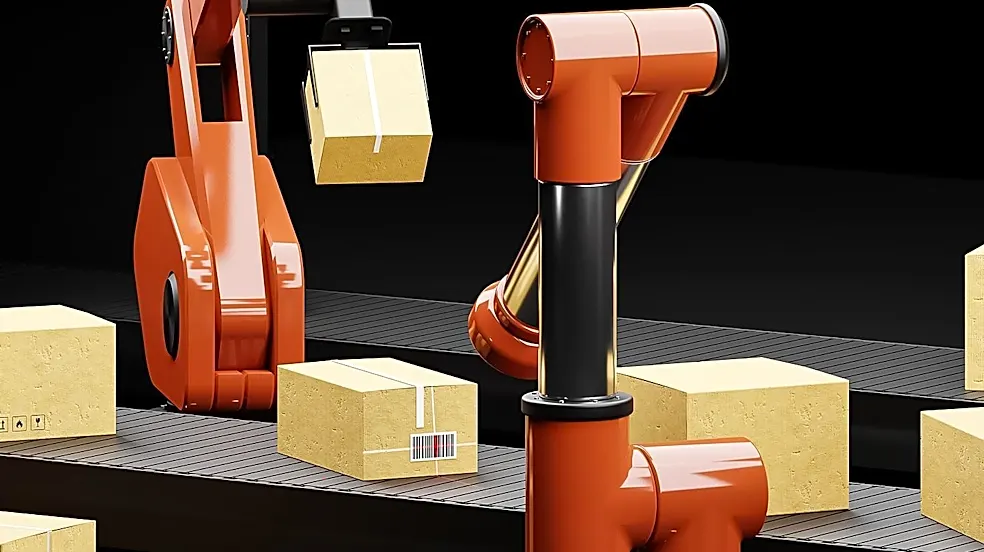
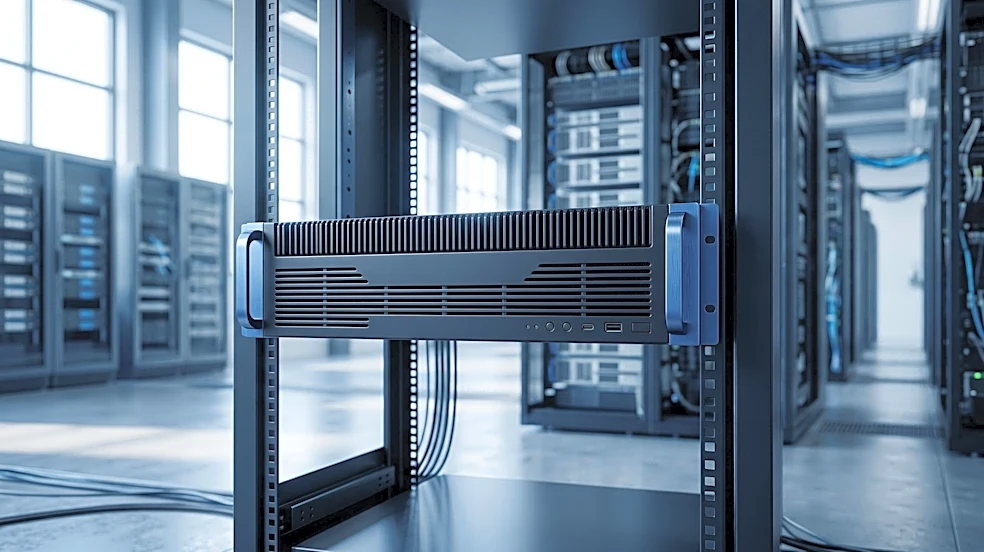
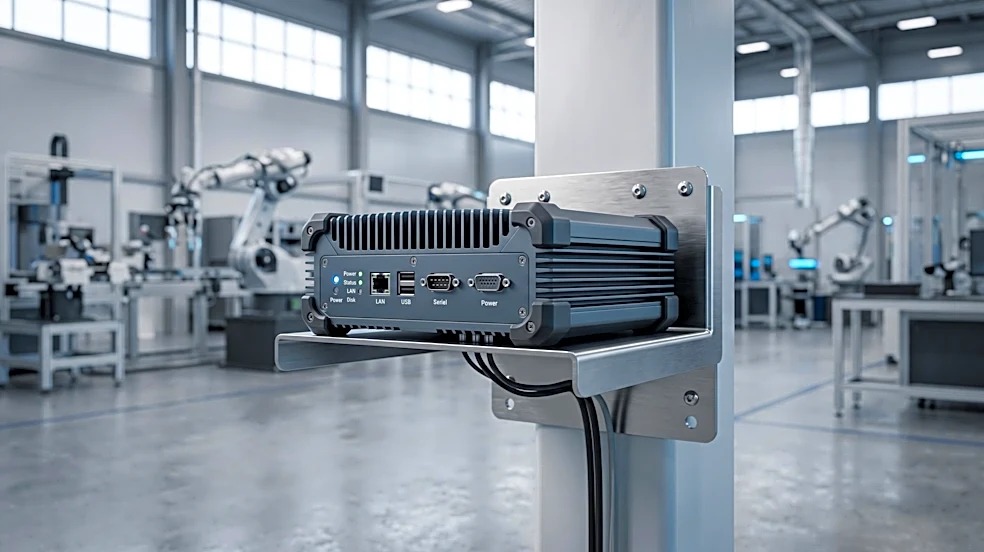
Premio Inc. has introduced its GPU-accelerated 3U Edge AI Rackmount Server (LLM-3U-AM5) to enhance intelligent robotic picking and stowing systems in fulfillment centers. This technology addresses the growing need for real-time data processing at the edge
of industrial operations, moving away from centralized cloud dependency. The server is designed to support AI-powered robotic systems that require high CPU processing for task planning, GPU acceleration for complex object recognition and grasp planning, and sufficient memory for concurrent AI inference, vision, and tactile processing. The LLM-3U-AM5 features AMD Ryzen™ 9000 and EPYC™ 4005/4004 processors, PCIe Gen 5 GPU expansion, up to 192GB DDR5 memory, and dual 10GbE SFP+ and dual GbE ports for high-bandwidth connectivity. This solution aims to enable more accurate identification, grasping, and handling of products with varying shapes, sizes, and packaging in complex warehouse environments.
Why It's Important?
This development is crucial for the U.S. logistics and manufacturing sectors, which are increasingly reliant on automation to improve efficiency and reduce operational costs. By providing powerful local AI computing, Premio Inc.'s solution allows for real-time decision-making in robotic systems, minimizing latency and enhancing the adaptability of automated processes. This shift reduces the dependency on cloud infrastructure, which can be critical for applications requiring immediate responses, such as autonomous vehicles and smart healthcare systems. The ability to process data at the edge means that fulfillment centers can achieve smarter AI-driven robotic picking, adaptive manipulation through vision and tactile integration, and scalable on-premises AI computing. This directly impacts supply chain resilience and operational visibility, offering manufacturers and logistics providers a competitive edge through optimized processes and reduced downtime.
What's Next?
The adoption of such advanced edge AI solutions is expected to continue transforming warehouse automation. Companies in the logistics and manufacturing sectors will likely explore integrating these GPU-accelerated servers to upgrade their existing robotic systems or implement new, more sophisticated automation. The focus will be on leveraging these capabilities for predictive maintenance, computer vision, and resilient factory operations. Further advancements in AI models and robotic handling requirements will necessitate continuous evolution of edge computing platforms. The market for satellite edge computing, which is already moderately fragmented, is also poised for growth with increasing deployment of onboard processing and AI-enabled satellite payloads, suggesting a broader application of edge AI beyond ground-based operations.
Beyond the Headlines
The deployment of advanced edge AI in industrial automation raises deeper implications regarding the future of work and the ethical considerations of autonomous systems. As robots become more intelligent and capable of adaptive manipulation, there will be a growing need to address job displacement concerns and to retrain the workforce for roles that complement these technologies. Furthermore, the increasing autonomy of robotic systems necessitates robust ethical frameworks to ensure responsible deployment, particularly in scenarios involving human-robot interaction. The reliance on local AI processing also brings cybersecurity considerations to the forefront, as securing edge devices and data becomes paramount to prevent disruptions and protect sensitive operational information. This technological shift underscores a long-term trend towards highly intelligent, self-sufficient industrial ecosystems.