




What's Happening?
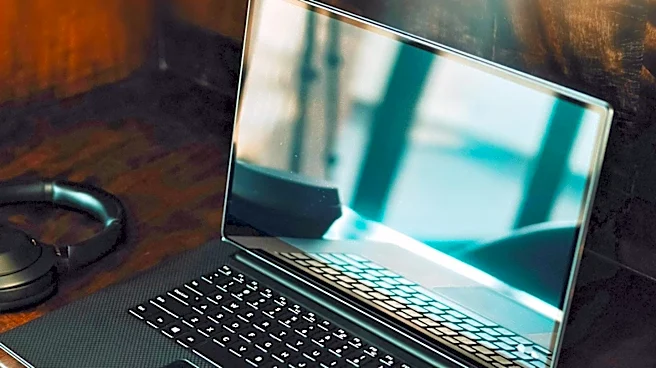
Recent advancements in laptop processor technology have led to significant improvements in battery life. Laptops equipped with Apple's M-series, Qualcomm's Snapdragon X-series, and Intel's latest processors are now achieving unprecedented battery endurance.
The HP OmniBook series, for instance, has set new records with over 34 hours of battery life on a single charge. This leap in battery performance is attributed to more efficient processors that consume less power, allowing laptops to operate longer without needing a recharge. The trend began with Apple's transition to its M-series chips, which are based on the power-efficient Arm architecture, and has continued with Qualcomm and Intel's innovations.
Why It's Important?
The dramatic increase in laptop battery life has significant implications for consumers and the tech industry. Longer battery life enhances user convenience, allowing for extended use without frequent recharging, which is particularly beneficial for professionals and students who rely on laptops for work and study. This development also positions laptops as more competitive alternatives to tablets and smartphones, which have traditionally been favored for their portability and battery longevity. For manufacturers, the ability to offer longer battery life can be a key differentiator in a crowded market, potentially driving sales and market share.
What's Next?
As processor technology continues to evolve, further improvements in battery life are expected. Manufacturers may focus on optimizing other components, such as displays and software, to complement the gains made in processor efficiency. Additionally, the industry might see increased competition as companies strive to offer the longest-lasting devices. Consumer demand for longer battery life could also influence the design and development of future laptops, leading to innovations in battery technology and energy management.