





What's Happening?
Jerry Reinsdorf, who turned 89 in February 2024, remains a prominent figure in American sports business, having spent nearly six decades at the helm of the Chicago Bulls and Chicago White Sox. Known for orchestrating the Bulls' dynasty in the late 1980s
and early 1990s, Reinsdorf now faces intense scrutiny over the White Sox's performance and management. His career is characterized by a blend of competitive ambition and financial pragmatism, navigating controversies such as arena financing disputes and television rights. Despite criticism, Reinsdorf has shown a willingness to adapt, incorporating advanced analytics and focusing on player development. His recent extension as chairman through 2025 sets a timeline for evaluating the White Sox's ongoing rebuild. Reinsdorf's influence spans two major leagues and multiple eras, solidifying his status as a consequential figure in sports history.
Why It's Important?
Reinsdorf's continued leadership at 89 highlights the enduring impact of long-tenured owners in professional sports and raises questions about succession planning and franchise direction. His dual legacy, marked by the Bulls' championship success and the White Sox's recent struggles, underscores the complexities of managing multiple high-profile sports organizations. The scrutiny surrounding the White Sox's rebuild and the potential sale of the team reflects broader trends in sports ownership, where fan expectations, financial performance, and strategic decision-making are constantly under review. Reinsdorf's approach to balancing competitive goals with financial realities has shaped the modern sports executive archetype, influencing how franchises are built and sustained. His decisions in the coming years will not only impact the Chicago sports landscape but also serve as a case study for ownership transitions and strategic evolution in professional leagues.
What's Next?
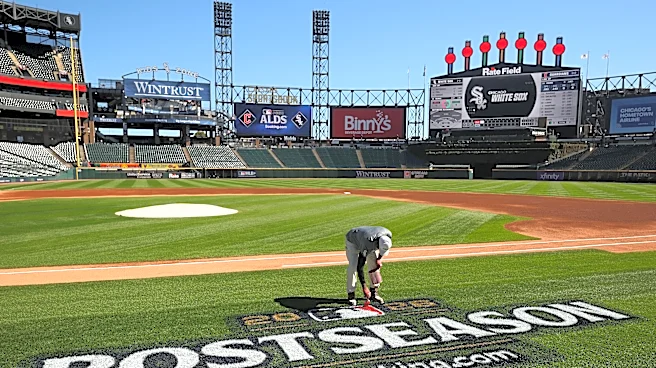
With his chairmanship extended through 2025, Jerry Reinsdorf is expected to continue overseeing the White Sox's rebuild, which will be a key focus for fans and analysts. The team's performance during this period will heavily influence the narrative surrounding his legacy. Discussions about the potential sale of the White Sox are likely to persist, especially as the team's lease at Rate Field expires in 2029, potentially leading to a new stadium or a change in ownership. Minority owner Justin Ishbia is already exploring options for a new stadium in the South Loop, partnering with Amtrak on a related development. Reinsdorf's future decisions regarding baseball operations and the eventual transition of control will be closely watched, determining whether his legacy is primarily defined by the Bulls' past triumphs or a more complex narrative encompassing both Chicago franchises.
Beyond the Headlines
Reinsdorf's career exemplifies the evolving nature of sports ownership, moving from traditional management to a more data-driven and financially intricate approach. The contrast between the Bulls' dynastic success and the White Sox's current challenges highlights the inherent difficulties in replicating success across different sports and eras. His willingness to adapt to new strategies, such as advanced analytics, demonstrates a pragmatic approach to ownership, even if the results are not always immediate. The ongoing debate about a new stadium for the White Sox, and the involvement of figures like Justin Ishbia, points to the increasing intertwining of sports franchises with urban development and public-private partnerships. This situation also brings to light the ethical considerations of balancing community interests with the financial ambitions of sports organizations, particularly concerning issues like noise, air quality, and public access in proposed development areas.