






What's Happening?
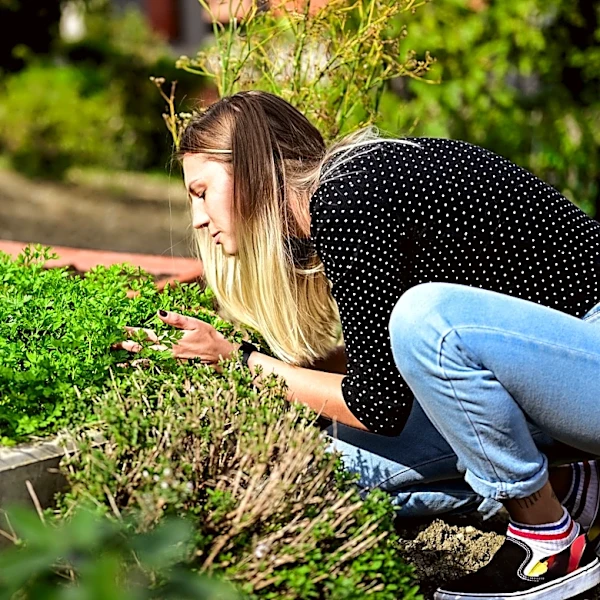
Urban gardening is experiencing a significant rise in popularity among young professionals, particularly in urban areas. This trend is driven by factors such as burnout from demanding careers, a desire for physical engagement away from screens, and increased
awareness of food quality. IFFCO Urban Gardens highlights that this demographic is seeking tangible results and a counterweight to the abstract nature of their work. Social media platforms have also played a role in normalizing gardening among younger urban populations, transforming it into a legitimate lifestyle aesthetic. Many young professionals are starting with low-maintenance plants like herbs and indoor foliage, gradually moving to vegetables as their confidence grows. The ability to personalize rented living spaces and concerns about food sources further contribute to this growing interest in home gardening.
Why It's Important?
This shift towards urban gardening among young professionals has several important implications. For individuals, it offers a tangible antidote to burnout and screen fatigue, promoting mental well-being through hands-on engagement and visible results. Economically, it can foster a niche market for gardening products tailored to urban dwellers, such as compact hydroponic systems and slow-release fertilizers, as noted by IFFCO Urban Gardens. Socially, it builds community, both online through gardening groups and potentially offline through shared gardening spaces. Furthermore, increased interest in growing one's own food can contribute to greater food awareness and potentially impact local food systems by increasing demand for sustainable and organic produce. The trend also highlights a broader societal desire for connection with nature and a more sustainable lifestyle, even within dense urban environments.
What's Next?
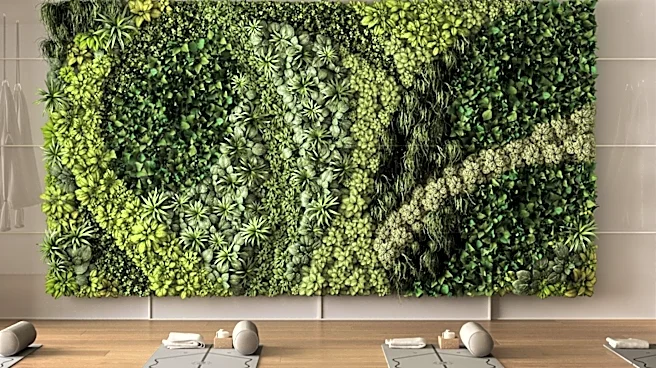
The continued growth of urban gardening among young professionals is likely to spur further innovation in gardening products and services. We can expect to see more accessible and space-efficient gardening solutions, such as advanced hydroponic systems and vertical gardening kits, to cater to limited urban spaces. Educational resources and online communities will continue to be crucial in supporting new gardeners, offering guidance on plant care and sustainable practices. Businesses in the gardening sector may increasingly target this demographic with marketing strategies that emphasize convenience, well-being, and environmental benefits. Additionally, urban planning initiatives might see an increased demand for community garden spaces and green infrastructure to support this growing interest in urban agriculture, potentially leading to more integrated green spaces within city developments.
Beyond the Headlines
Beyond the immediate benefits, the rise of urban gardening among young professionals reflects deeper societal shifts. It signifies a growing disillusionment with purely digital and abstract work environments, prompting a return to activities that offer concrete, physical engagement. This trend also underscores a heightened awareness of personal health and environmental sustainability, as individuals seek greater control over their food sources and contribute to local ecosystems. Culturally, gardening is being redefined from a traditional pastime to a modern, aspirational lifestyle choice, influenced by social media and a desire for authenticity. This movement could foster a more resilient and localized food system, reduce reliance on industrial agriculture, and promote a greater sense of community and self-sufficiency in urban settings. It also highlights the psychological value of nurturing living things, providing a sense of purpose and accomplishment often missing in fast-paced professional lives.