



What's Happening?
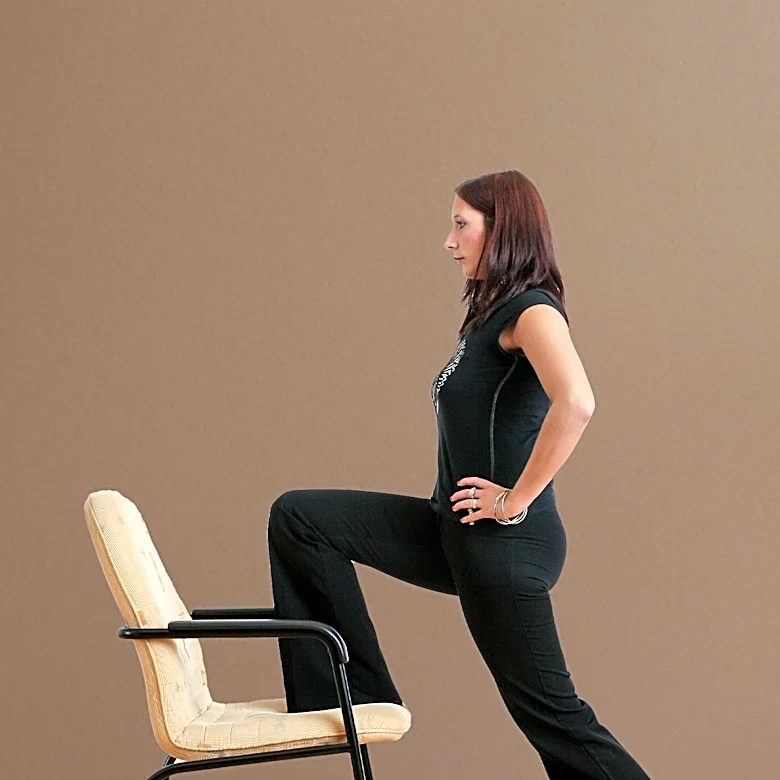
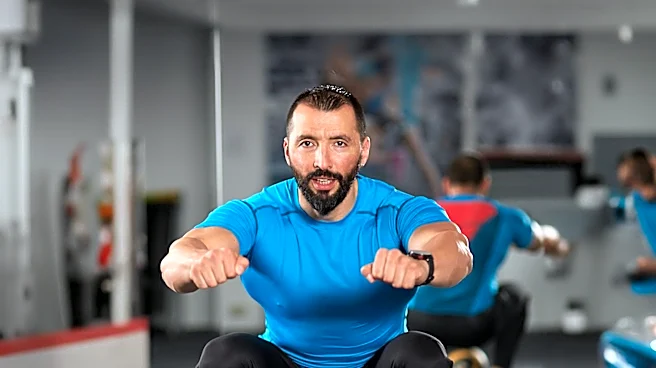
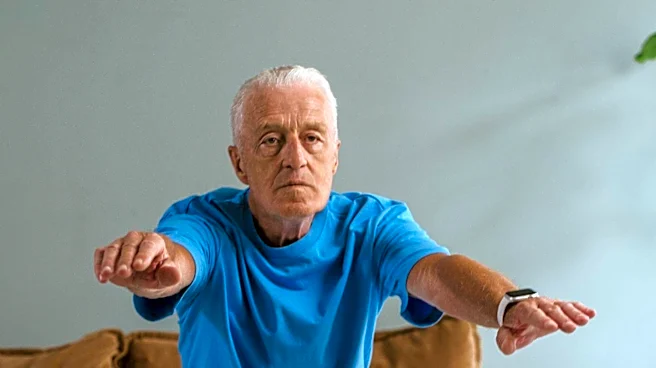
Chair exercises are being highlighted as an effective method for individuals over 65 to rebuild leg strength and enhance mobility. These exercises, which include sit-to-stands, chair-supported reverse lunges, seated leg extensions with a pause, and chair-supported calf
raises, offer a practical advantage by providing support and a clear target for consistent home workouts. The routine focuses on strengthening key muscle groups such as quadriceps, glutes, hamstrings, and calves, which are crucial for daily movements like standing, climbing stairs, and walking. The chair assists in controlling the range of motion, allowing for meaningful work without intimidation, especially for those recovering from injuries or new to exercise. Consistency, slow movements, and focusing on controlled repetitions are emphasized for optimal results, with a recommendation to perform the routine two to four times per week.
Why It's Important?
Maintaining leg strength is directly linked to the independence and quality of life for individuals over 65. Stronger legs facilitate essential daily activities, reducing the need for assistance and supporting overall resilience. This is particularly important for balance, preventing falls, and navigating varied terrains. The accessibility of chair exercises means that seniors can perform them at home, fostering a sense of confidence and control over their physical well-being. By offering a low-impact yet effective way to build strength, these exercises can help mitigate age-related muscle loss and improve functional fitness, thereby contributing to a more active and self-sufficient lifestyle. The focus on controlled movements also helps in injury prevention and rehabilitation, making it a valuable approach for a significant demographic.
What's Next?
Individuals over 65 are encouraged to integrate these chair exercises into their weekly routines, performing them two to four times. The recommendation is to start with variations that feel stable, gradually increasing intensity by adding repetitions, slowing the lowering phase, or reducing support as strength improves. Paying attention to side-to-side strength through single-leg work is also advised to address any imbalances. Consistent, short sessions throughout the week are suggested to rebuild strength without overwhelming joints. Furthermore, applying this newfound strength in daily activities, such as walking, taking stairs, and practicing controlled standing from chairs, will reinforce the benefits and promote long-term independence.
Beyond the Headlines
The emphasis on chair exercises for seniors underscores a broader shift towards accessible and adaptable fitness solutions for an aging population. This approach recognizes the unique physical challenges faced by older adults and prioritizes safety and gradual progression over high-intensity workouts. It highlights the importance of functional strength training, which directly translates to improved daily living and reduced dependency. Ethically, promoting such exercises can empower seniors to take proactive steps in managing their health, fostering a sense of agency and well-being. Culturally, it challenges the perception that significant physical activity is only for the young, advocating for continuous physical engagement as a cornerstone of healthy aging.